
Introduction
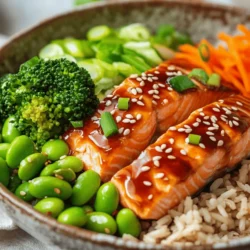
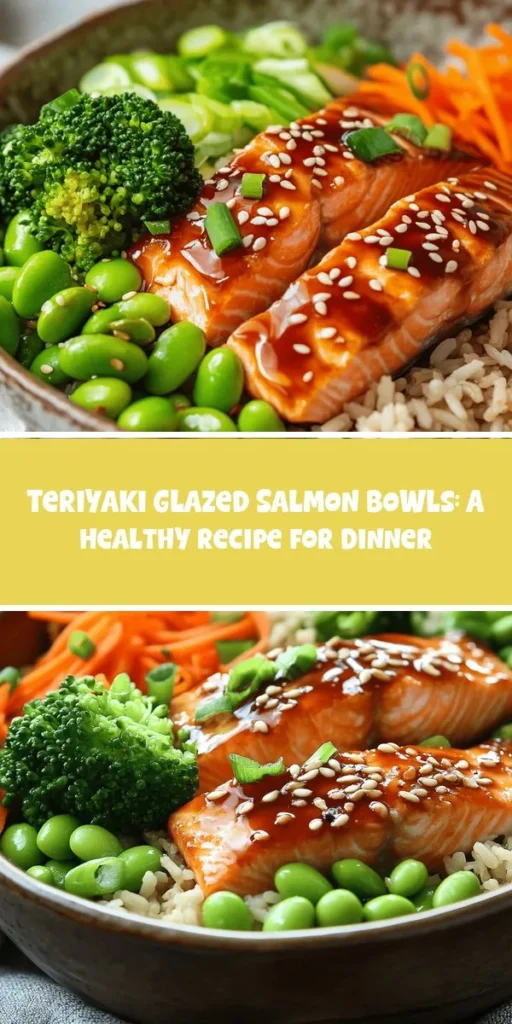
If you’re in search of a meal that is not only delicious but also packed with nutrition, look no further than Teriyaki Glazed Salmon Bowls. This dish is a perfect blend of tender salmon, vibrant vegetables, and wholesome grains, all brought together with the sweet and savory notes of homemade teriyaki sauce. Whether you’re a busy professional, a health-conscious parent, or simply someone who loves to explore new and exciting flavors, these salmon bowls are a fantastic option for any occasion.
In today’s fast-paced world, healthy meal options have become increasingly important. With the rise of health awareness, many individuals are looking for meals that not only satisfy their taste buds but also contribute to their overall well-being. Teriyaki Glazed Salmon Bowls fit the bill perfectly. They are not only flavorful but also versatile enough to accommodate various dietary preferences, including gluten-free diets if you substitute the soy sauce with tamari.
Salmon is renowned for its rich nutritional profile. It is loaded with omega-3 fatty acids, which are essential for heart health, and is an excellent source of high-quality protein. Coupled with a colorful array of vegetables such as broccoli, carrots, and edamame, this meal is brimming with vitamins, minerals, and antioxidants, making it a standout choice for anyone looking to nourish their body without sacrificing flavor.
Understanding Teriyaki Sauce
To truly appreciate Teriyaki Glazed Salmon Bowls, it’s essential to understand the star of the dish: teriyaki sauce. Originating from Japan, teriyaki sauce is a sweet, soy-based condiment that has gained immense popularity worldwide. The word “teriyaki” itself refers to a cooking technique where food is grilled or broiled with a glaze made from soy sauce, sake, and sugar. Over the years, various adaptations have emerged, and the sauce has become a staple in many cuisines.
Traditional teriyaki sauce is composed of a few key ingredients: soy sauce for saltiness, sake or mirin for sweetness, and sugar or honey for that characteristic glaze. Some recipes may also include ginger and garlic for added depth and flavor. When you opt for homemade teriyaki sauce, you have the advantage of controlling the ingredients, allowing you to adjust the sweetness and saltiness to your liking. Moreover, making it from scratch ensures that there are no artificial preservatives or additives, making it a healthier alternative to store-bought versions.
The flavor profile of teriyaki sauce is truly unique. It strikes a balance between sweet, salty, and umami, making it incredibly versatile. Beyond salmon bowls, teriyaki sauce can enhance a variety of dishes, including stir-fries, grilled meats, and even salads. Its adaptability allows you to get creative in the kitchen, experimenting with different proteins and vegetables to suit your taste.
Ingredients Breakdown
Salmon Fillets
When it comes to the main ingredient, salmon fillets are not only delicious but also incredibly nutritious. Rich in omega-3 fatty acids, salmon supports heart health, reduces inflammation, and may even improve brain function. When selecting salmon, it’s important to choose high-quality fillets. Look for wild-caught salmon, if possible, as it tends to have a better flavor and is more sustainable than farmed varieties. Fresh salmon should have a bright, vibrant color and a clean smell.
Soy Sauce
Soy sauce is a key component in teriyaki sauce, imparting that essential salty flavor. However, it’s wise to opt for low-sodium soy sauce to keep your meal healthier. Regular soy sauce can be quite high in sodium, which may not be ideal for those watching their salt intake. Low-sodium options allow you to enjoy the rich flavor of soy sauce without overwhelming your dish with salt.
Honey vs. Maple Syrup
Sweetness is a crucial element in teriyaki sauce, and you may find yourself choosing between honey and maple syrup as your sweetener. Honey offers a natural sweetness and a hint of floral notes, while maple syrup brings a warm, earthy flavor. Both options are healthier than refined sugar, but they do have slightly different flavor profiles. If you prefer a milder sweetness, honey may be the better choice, while maple syrup can add a unique twist to your teriyaki sauce.
Fresh Ginger and Garlic
Adding fresh ginger and garlic is a wonderful way to enhance the flavor of your teriyaki sauce. Not only do they contribute to the taste, but both ginger and garlic also bring a host of health benefits. Ginger is known for its anti-inflammatory properties and can aid digestion, while garlic is praised for its immune-boosting effects. Together, they create a fragrant base for your sauce that elevates the entire dish.
Sesame Oil
Another vital ingredient is sesame oil, which adds a unique nutty flavor to the teriyaki sauce. This oil is derived from sesame seeds and is rich in antioxidants and healthy fats. A little goes a long way, so just a teaspoon or two can drastically enhance the overall flavor of your dish. Additionally, sesame oil is often used in Asian cuisine, making it a perfect fit for teriyaki salmon bowls.
Brown Rice/Quinoa
The choice of grain to serve with your teriyaki salmon is crucial for both texture and nutrition. Brown rice and quinoa are both excellent options. Brown rice is a whole grain that provides fiber and various essential nutrients, making it a filling and nutritious base for your meal. Quinoa, on the other hand, is a gluten-free grain that is rich in protein and contains all nine essential amino acids, making it a complete protein source. Whichever grain you choose, you’ll be adding a hearty and nutritious component to your bowl.
Vegetables
No teriyaki salmon bowl is complete without a colorful array of vegetables. Broccoli, carrots, and edamame are all fantastic choices. Broccoli is rich in vitamins C and K, while carrots provide beta-carotene, an antioxidant beneficial for eye health. Edamame, young soybeans, are packed with protein and fiber, making them an excellent addition to boost the nutritional profile of your meal. You can also customize your vegetable selection based on seasonal availability or personal preferences.
Green Onions and Sesame Seeds
For garnishing your teriyaki salmon bowls, green onions and sesame seeds play an important role. Green onions add a fresh crunch and a mild onion flavor that complements the dish beautifully. Additionally, the bright green color adds visual appeal. Sesame seeds, toasted for extra flavor, contribute both texture and a nutty taste. Together, these garnishes elevate the presentation and enhance the overall flavor of the dish.
Optional Garnishes
Cilantro can be an optional garnish that brings a burst of freshness to your teriyaki salmon bowls. While some people love the taste of cilantro, others may find it polarizing. However, if you enjoy it, sprinkling some chopped cilantro on top can add a beautiful green touch and enhance the flavor profile of your dish.
Preparation Steps in Detail
Preparing the Teriyaki Sauce
Now that you’ve gathered all your ingredients, it’s time to prepare your homemade teriyaki sauce. Start by combining soy sauce, honey or maple syrup, minced ginger, minced garlic, and a splash of sesame oil in a small saucepan. Heat the mixture over medium heat, stirring until the honey or maple syrup is fully dissolved.
Step-by-Step Instructions
1. Combine Ingredients: In a small saucepan, whisk together ½ cup of low-sodium soy sauce, ¼ cup of honey (or maple syrup), 1 tablespoon of minced fresh ginger, 1 tablespoon of minced garlic, and 1 teaspoon of sesame oil.
2. Heat the Mixture: Place the saucepan over medium heat and bring the mixture to a gentle simmer.
3. Thicken the Sauce: To achieve a thicker consistency, you can mix 1 tablespoon of cornstarch with 2 tablespoons of cold water to create a slurry. Gradually add this to the simmering sauce, stirring continuously until it thickens to your desired consistency.
4. Cool the Sauce: Once thickened, remove the sauce from heat and let it cool while you prepare the salmon.
Tips for Achieving the Right Consistency and Flavor
– Taste and Adjust: As the sauce is simmering, taste it and adjust the sweetness or saltiness according to your preferences. If it’s too salty, adding a little more honey or maple syrup can help balance it out.
– Storage: If you have leftover teriyaki sauce, it can be stored in an airtight container in the refrigerator for up to two weeks, making it a convenient staple for future meals.
Marinating the Salmon
Once your teriyaki sauce is ready, it’s time to marinate the salmon. Place your salmon fillets in a shallow dish and pour half of the teriyaki sauce over them, ensuring they are well coated. Allow the salmon to marinate for at least 30 minutes in the refrigerator. This not only infuses the fish with flavor but also helps to tenderize it, resulting in a succulent and delectable meal.
As you prepare your salmon, don’t forget to cook your choice of grain and steam or sauté the vegetables. Having everything prepped and ready will ensure a smooth cooking process when it’s time to assemble your Teriyaki Glazed Salmon Bowls.
With the steps outlined above, you’re well on your way to creating a delicious and healthy Teriyaki Glazed Salmon Bowl that’s sure to impress family and friends while catering to a variety of dietary preferences. Stay tuned for the next part of this article, where we’ll delve into the final assembly of the bowls, serving suggestions, and tips for making this dish even more enjoyable.
Importance of Marination and Optimal Time
Marination is a crucial step in enhancing the flavor profile of Teriyaki Glazed Salmon Bowls. The teriyaki marinade, which typically consists of soy sauce, mirin, sake, and sugar, serves not just as a flavor enhancer but also helps in tenderizing the salmon, making it more succulent. An optimal marination time allows the flavors to penetrate the fish effectively, creating a harmonious balance between the rich umami of the soy sauce and the sweetness of the sugar.
For the best results, aim to marinate the salmon for at least 30 minutes, but if time allows, letting it sit for 1-2 hours can significantly enhance the taste. However, avoid marinating it for too long (over 24 hours), as the acid in the marinade can begin to break down the fish’s proteins, resulting in a mushy texture.
How Marination Affects Flavor Absorption
The science behind marination lies in osmosis. As the salmon absorbs the marinade, the flavors meld into the fish, creating layers of taste that are both savory and sweet. The sugar in the marinade caramelizes during cooking, resulting in a beautiful glaze that not only adds flavor but also contributes to the visual appeal of the dish. This process is what transforms a simple salmon fillet into an exquisite centerpiece for your meal.
Preparing the Vegetables
While the salmon is marinating, it’s time to prepare the vegetables that will accompany your Teriyaki Glazed Salmon Bowls. Fresh, vibrant vegetables not only add color and texture but also contribute essential nutrients to the dish.
Steaming Broccoli: Best Practices for Maintaining Nutrients
Broccoli is a popular choice for this dish due to its nutritional density and ability to absorb flavors. Steaming is one of the best cooking methods to retain the nutrients in broccoli. Here’s how to do it effectively:
1. Wash and Cut: Start by washing the broccoli thoroughly. Cut it into bite-sized florets to ensure even cooking.
2. Steam Duration: Fill a pot with water and bring it to a boil. Place the broccoli in a steaming basket over the boiling water, cover, and steam for about 3-5 minutes. The goal is to have bright green broccoli that is tender yet crisp.
3. Shock in Ice Water: To stop the cooking process and maintain that vibrant color, transfer the steamed broccoli to a bowl of ice water for a minute before draining.
This technique preserves the broccoli’s vitamins and minerals while providing a crunchy texture that complements the tender salmon.
Sautéing Carrots and Edamame: Techniques for Enhanced Flavor
For the carrots and edamame, sautéing is an excellent method to enhance their flavors. Here’s how to prepare them:
1. Carrots: Slice the carrots into thin rounds or julienne them for quicker cooking. Heat a tablespoon of olive oil in a skillet over medium heat. Add the carrots and sauté for about 5-7 minutes until they are tender but still maintain some crunch. Season with a pinch of salt and pepper to enhance their natural sweetness.
2. Edamame: If using frozen edamame, simply steam them according to package instructions. For fresh edamame, you can add them to the same skillet after the carrots have been sautéed. Cook for an additional 2-3 minutes until heated through.
This method not only brings out the natural sweetness of the vegetables but also adds depth to your Teriyaki Glazed Salmon Bowls.
Cooking the Salmon
With the vegetables prepped, it’s time to cook the marinated salmon. There are two popular methods for cooking salmon: grilling and pan-searing. Each method offers unique advantages, so choose based on your preference.
Best Methods for Cooking Salmon: Grilling vs. Pan-Searing
1. Grilling: If you prefer a smoky flavor, grilling is an excellent choice. Preheat your grill to medium-high heat and lightly oil the grates. Place the marinated salmon skin-side down and cook for about 4-6 minutes per side, depending on the thickness of the fillet. The salmon should easily flake with a fork when done.
2. Pan-Searing: For a crispier exterior, pan-searing is ideal. Heat a non-stick skillet over medium-high heat and add a tablespoon of oil. Once hot, add the salmon skin-side down. Cook for about 4-5 minutes without moving it, allowing for a golden crust to form. Flip and cook for an additional 3-4 minutes until the salmon is cooked through.
Identifying Perfect Doneness: Tips for Checking Internal Temperature
To ensure your salmon is perfectly cooked, aim for an internal temperature of 145°F (63°C). Use a food thermometer to check the thickest part of the fillet. Alternatively, you can check for doneness by gently pressing the fillet with a fork; it should flake easily while remaining slightly translucent in the center.
Assembling the Teriyaki Glazed Salmon Bowls
Now that all components are cooked and ready, it’s time to assemble your Teriyaki Glazed Salmon Bowls.
Layering Techniques for an Appealing Presentation
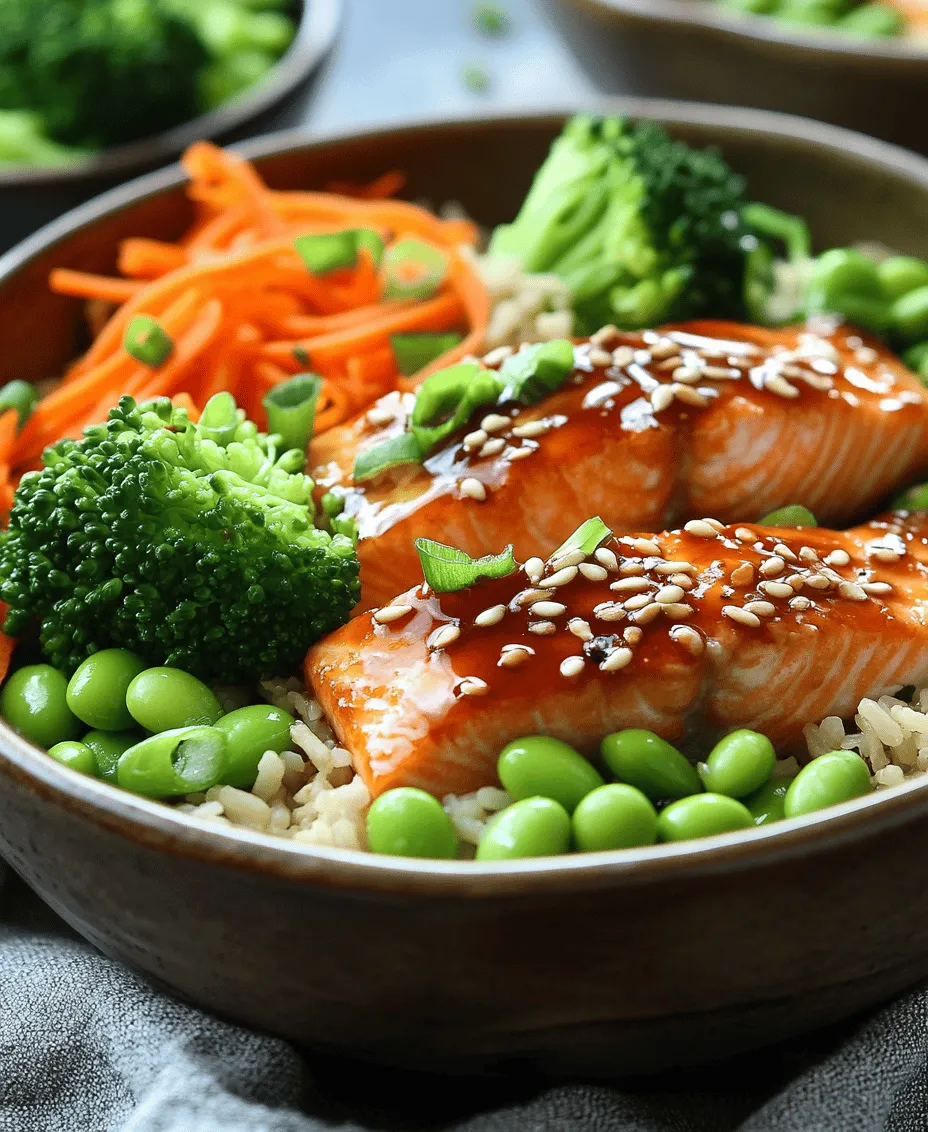
A well-presented dish is almost as satisfying as its taste. Start by placing a serving of cooked rice at the bottom of each bowl. Next, layer the steamed broccoli, sautéed carrots, and edamame around the rice. Finally, place the glazed salmon fillet on top, allowing the sauce to drizzle over the vegetables.
Importance of Balancing Flavors and Textures in Each Bowl
Ensuring a balance of flavors and textures is essential for a satisfying meal. The rich, savory salmon contrasts beautifully with the fresh, crisp vegetables and the nutty rice. The sweetness of the teriyaki glaze ties all the elements together, creating a harmonious dish that is both nutritious and delicious.
Suggestions for Variations or Substitutions Based on Dietary Needs
This recipe is quite versatile and can be adjusted to cater to various dietary preferences:
– Gluten-Free: Use tamari instead of soy sauce for a gluten-free option.
– Vegetarian/Vegan: Replace salmon with grilled tofu or tempeh, marinating it in the same teriyaki sauce for flavor.
– Low-Carb: Swap rice for cauliflower rice or zucchini noodles to reduce carbohydrates while still enjoying the flavors of the dish.
Tips for Serving and Enjoying the Meal
Serve the Teriyaki Glazed Salmon Bowls immediately for the best experience. Garnish with sesame seeds or chopped green onions for an extra pop of flavor and color. Encourage your guests or family to mix the ingredients in their bowls, allowing each bite to combine the different flavors together.
Nutritional Benefits of Teriyaki Glazed Salmon Bowls
Overview of the Health Benefits of Salmon
Salmon is known for its impressive nutritional profile. It is an excellent source of high-quality protein, omega-3 fatty acids, and essential vitamins and minerals, including vitamin D, B vitamins, selenium, and phosphorus. Omega-3 fatty acids are particularly beneficial for heart health, reducing inflammation, and supporting brain function.
Nutritional Analysis of the Entire Meal: Macronutrients and Micronutrients
A typical Teriyaki Glazed Salmon Bowl includes salmon, rice, and a variety of vegetables. Here’s a rough nutritional breakdown:
– Calories: Approximately 500-600 calories per bowl, depending on portion sizes and specific ingredients used.
– Protein: About 30-35 grams from the salmon and vegetables.
– Carbohydrates: Roughly 50-60 grams, primarily from the rice and vegetables.
– Fats: About 15-20 grams, mainly from the salmon and olive oil used in cooking.
– Vitamins and Minerals: High in vitamin A, vitamin C, folate, and potassium, among others.
This meal fits well into a balanced diet, providing a variety of nutrients essential for overall health.
Discussion of How This Recipe Fits into a Balanced Diet
Incorporating Teriyaki Glazed Salmon Bowls into your meal rotation offers a nutritious option that aligns well with dietary guidelines. The combination of lean protein, healthy fats, and fiber-rich vegetables creates a satisfying meal that can help maintain energy levels and promote satiety.
Potential Health Considerations for Certain Ingredients
While this recipe is generally healthy, some considerations may apply:
– Sodium Content: Soy sauce is naturally high in sodium, so those with hypertension or those monitoring their salt intake should consider low-sodium soy sauce or reduce the amount used in the marinade.
– Allergies: Be cautious when serving to individuals with allergies. Ensure that all ingredients, especially soy products, are safe for those consuming the meal.
Cultural Significance of Teriyaki in Cuisine
Exploration of Teriyaki’s Roots in Japanese Culture
Teriyaki is a traditional cooking technique in Japanese cuisine that involves grilling or broiling food while glazing it with a sauce made from soy sauce, sake, and sugar. This method not only enhances flavor but also adds a beautiful shine to the food, making it visually appealing. It has its origins in Japan, where the cooking style has been cherished for centuries.
How Teriyaki Has Been Adapted in Various Cuisines Around the World
Over the years, teriyaki has transcended its cultural bounds and has been embraced in various cuisines around the globe. In Western countries, it is often adapted to include additional ingredients such as ginger, garlic, and even fruit juices, creating a fusion of flavors that appeal to diverse palates. Teriyaki sauces are now widely available in grocery stores, making it easy for home cooks to experiment with this beloved flavor.
The Role of Teriyaki in Promoting Healthy Eating Habits
The versatility of teriyaki allows it to be incorporated into healthier cooking practices. By using fresh vegetables and lean proteins like salmon, teriyaki dishes can be both delicious and nutritious. This adaptability promotes healthy eating habits, encouraging individuals to choose wholesome, home-cooked meals over processed options.
Conclusion
In conclusion, Teriyaki Glazed Salmon Bowls are not only a feast for the eyes but also a nourishing meal filled with health benefits. The combination of marinated salmon, colorful vegetables, and fluffy rice creates a balanced dish that appeals to various taste preferences. By incorporating this recipe into your regular meal rotation, you can enjoy the delicious flavors and health advantages it offers. Cooking and sharing meals like this with loved ones fosters connection and joy, making the kitchen a true heart of the home. So gather your ingredients, embrace the cooking process, and savor each bite of this delightful dish!