

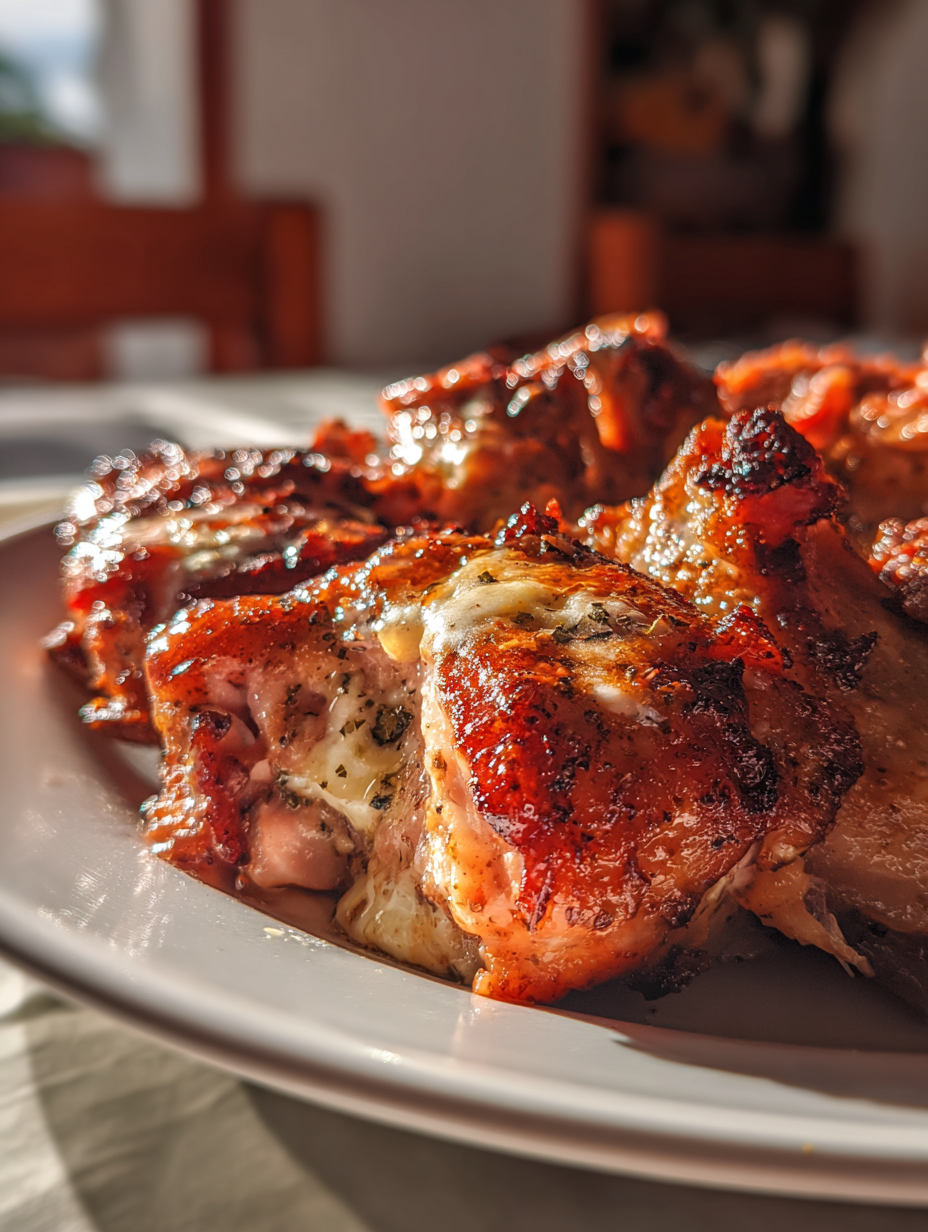
Poached Coconut Milk Thai Chicken Recipe (One Pan Dinner): A Creamy, Aromatic Escape to Thailand
—
Introduction
There’s something undeniably comforting about Poached Coconut Milk Thai Chicken. I remember the first time I enjoyed this dish, nestled on a bustling street corner in Bangkok. The air was thick with the fragrance of lemongrass and garlic, mingling with the sweet scent of coconut milk. I was there on a solo adventure, and as I took my first bite, the creamy sauce enveloped tender chicken pieces, each morsel bursting with flavor. The vivid colors of the bell peppers, glistening in the warm sunlight, seemed to dance on the plate, inviting me to savor every bite.
As I stirred the dish in the pan, the sounds of sizzling garlic and popping oil filled the air, a symphony of culinary delight that instantly transported me back to that vibrant street food scene. The sauce was rich yet light, a delicate balance that made me feel instantly at home, even in a foreign land. I couldn’t help but smile as I watched the steam rise, mingling with the aromatic blend of ginger and lime.
This recipe became a staple in my kitchen, as it not only reminded me of my travels but also brought friends and family together, filling the home with warmth and laughter. Now, I want to share this experience with you. With just one pan and a handful of ingredients, you can recreate this comforting dish and indulge in the bright flavors of Thailand right in your own home.
—
Why This Recipe Works
At the heart of this Poached Coconut Milk Thai Chicken recipe is the beautiful harmony of flavors and textures that make it truly special. Each ingredient serves a purpose, contributing to a dish that is both comforting and vibrant.
The coconut milk is essential for its creamy richness, transforming the cooking liquid into a luscious sauce that clings to the chicken. This is complemented by the fish sauce, which adds a deep umami punch that enhances the overall flavor profile. The combination of brown sugar and lime juice introduces a delightful balance of sweetness and acidity, creating a symphonic taste that dances on your palate.
Texture is another key player in this dish. The chicken thighs, with their tender and juicy bite, contrast beautifully with the crispness of the bell peppers. The gentle poaching method keeps the chicken moist and allows it to soak up the aromatic flavors of the sauce. As the dish simmers, the garlic and ginger release their fragrant oils, creating an inviting aroma that fills your kitchen.
What separates this version from generic iterations is the careful selection of fresh herbs, particularly lemongrass. Its citrusy notes elevate the dish to another level and provide an authentic taste of Thailand that you won’t find in store-bought versions. With this recipe, you’re not just cooking; you’re creating a culinary experience that encapsulates the essence of Thai cuisine.
—
What Makes It Special
This Poached Coconut Milk Thai Chicken recipe stands out for several unique qualities that elevate it beyond typical home-cooked meals.
1. Freshness Over Convenience: Unlike many restaurant versions or pre-packaged meals, making this dish at home allows you to control the ingredients, ensuring freshness and quality. You can choose vibrant vegetables, hand-picked herbs, and high-quality coconut milk, creating a dish that bursts with flavor.
2. Cost-Effective: Preparing this meal at home is not only delicious but also budget-friendly. You can enjoy a restaurant-quality dinner for a fraction of the price, making it ideal for busy weeknights when you desire something special without breaking the bank.
3. Customization: One of the greatest joys of cooking at home is the ability to tailor recipes to your preferences. Feel free to swap out the chicken for shrimp, tofu, or even a medley of seasonal vegetables to suit your dietary needs or cravings.
4. Surprising Elements: The combination of lemongrass and brown sugar adds an unexpected twist, creating a depth of flavor that surprises and delights. It’s these little details that transform a simple meal into something extraordinary, inviting you to savor every last bite.
—
Ingredient Breakdown
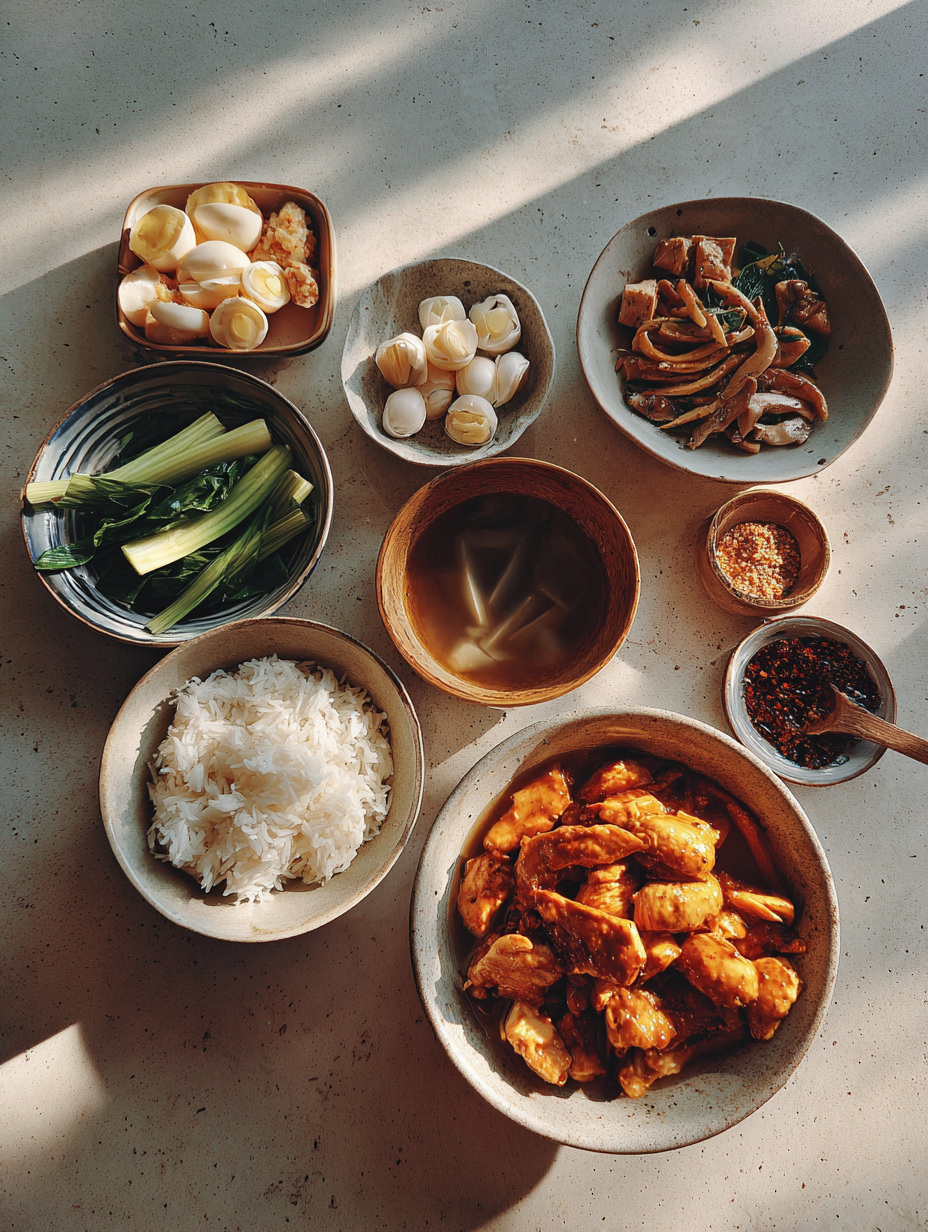
Understanding the ingredients in this Poached Coconut Milk Thai Chicken recipe not only enhances your cooking experience but also empowers you to make informed choices. Here’s a detailed breakdown of each component:
– Boneless Chicken Thighs (1 pound): These are the star of the dish. Their rich flavor and tenderness ensure a juicy bite. Using skinless thighs keeps the dish lighter while still delivering a satisfying texture. Feel free to substitute with chicken breast, though thighs are preferred for juiciness.
– Coconut Milk (1 can, full-fat): For the ultimate creaminess, choose full-fat coconut milk. This adds a rich, velvety texture to the sauce. If you want a lighter version, you can opt for light coconut milk, but the flavor will be less intense.
– Fish Sauce (2 tablespoons): This ingredient is a cornerstone of Thai cuisine. It provides a savory umami flavor that elevates the dish. If you’re looking for a vegetarian option, you can use soy sauce or a vegan fish sauce.
– Brown Sugar (1 tablespoon): The sweetness of brown sugar balances the saltiness of the fish sauce and the acidity of the lime juice. It adds depth and complexity to the dish. You can substitute with honey or maple syrup if needed.
– Lime Juice (1 tablespoon, freshly squeezed): Fresh lime juice adds brightness and acidity, cutting through the richness of the coconut milk. Bottled lime juice can be used in a pinch, but fresh is always best for flavor.
– Lemongrass (2 stalks): Bruised and cut into pieces, lemongrass imparts a unique citrusy aroma that is quintessential in Thai cooking. It can be found in Asian markets or the produce section of your local grocery store. If unavailable, you can use lime zest as a substitute.
– Garlic (3 cloves, minced): Garlic brings a warm, aromatic quality to the dish. Its flavor intensifies as it cooks, creating an inviting base for the sauce.
– Ginger (1 inch, peeled and sliced): Fresh ginger adds a zingy, peppery flavor, enhancing the overall taste. Ground ginger can be used in a pinch, but fresh is preferred for its vibrancy.
– Chicken Broth (1 cup, low-sodium preferred): Chicken broth adds depth to the sauce without overwhelming it. Low-sodium options allow you to control the saltiness. Vegetable broth can be an excellent substitute for a vegetarian version.
– Bell Peppers (1 cup, sliced): A colorful assortment of bell peppers adds a crunch and sweetness to the dish. Use a mix of red, yellow, and green for visual appeal. Feel free to swap with other vegetables like snap peas or zucchini based on your preference.
– Vegetable Oil (2 tablespoons): A neutral oil is essential for sautéing the garlic and ginger. It helps in developing the flavors without overpowering the dish. You can also use coconut oil for a richer flavor.
– Salt and Pepper (to taste): These are the basic seasonings that enhance all the flavors in the dish. Adjust according to your preference.
In case you need to accommodate specific diets:
– For dairy-free: This recipe is already dairy-free thanks to the coconut milk.
– For gluten-free: Use tamari or gluten-free soy sauce in place of fish sauce.
– For vegan: Substitute chicken with tofu or chickpeas and use a vegan fish sauce or soy sauce.
If you’re on the hunt for specialty ingredients like lemongrass or fish sauce, Asian markets or well-stocked grocery stores typically have a great selection that will elevate your culinary creations.
—
Equipment Needed
To create this Poached Coconut Milk Thai Chicken, you’ll need a few essential tools that make the process easy and enjoyable:
– Large Skillet or Frying Pan: A wide skillet is vital for even cooking and easy stirring. Non-stick options can help prevent sticking, making cleanup a breeze. If you don’t have a non-stick skillet, a stainless-steel pan will work; just be mindful to stir frequently to avoid sticking.
– Wooden Spoon or Silicone Spatula: These tools are perfect for stirring your sautéing aromatics and ensuring even cooking. Silicone spatulas are heat-resistant and won’t scratch your cookware.
– Sharp Knife: A good knife is crucial for chopping the chicken and vegetables, allowing for precision and safety. A chef’s knife is ideal for this task.
– Cutting Board: A sturdy cutting board provides a safe surface for chopping ingredients. If you’re short on space, consider using a flexible, thin cutting board for easy storage.
– Ladle: A ladle will be handy when serving the poached chicken and its luscious sauce over rice. It helps you control portions and avoid splatter.
– Measuring Cups and Spoons: Accurate measurements ensure your dish turns out just right. Having these on hand will make your cooking experience smoother.
While these tools are essential, remember that cooking is about creativity and comfort. Feel free to adapt or substitute equipment as needed to suit your kitchen setup.
Step-by-Step Instructions
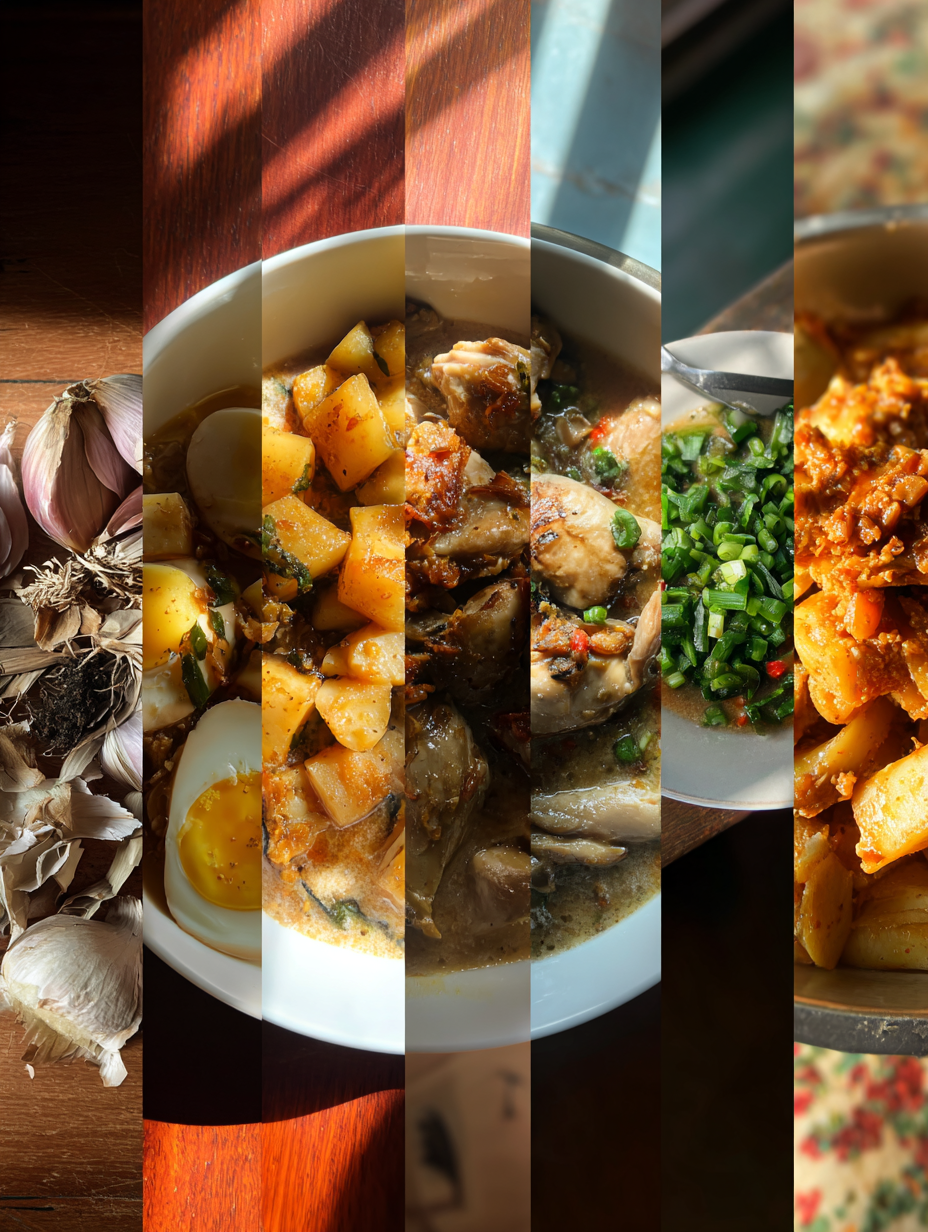
1. Heat the Oil: Start by heating 2 tablespoons of vegetable oil in a large skillet over medium heat. When the oil shimmers, that’s your cue that it’s ready. You’ll want to listen for a gentle sizzle as you add the next ingredients.
2. Sauté Aromatics: Once the oil is hot, add the minced garlic and sliced ginger to the skillet. Sauté them for about one minute, stirring frequently. You’re looking for a fragrant aroma that fills your kitchen—this is when the garlic should turn a light golden color but not brown. Chef’s Note: Be careful not to let the garlic burn, as it can become bitter.
3. Brown the Chicken: Next, add in 1 pound of boneless chicken thighs cut into bite-sized pieces. Season with salt and pepper to taste. Cook the chicken for about 5-7 minutes, stirring occasionally until browned on all sides. The pieces should develop a nice golden crust. This browning adds depth of flavor to your dish.
4. Combine Ingredients: After the chicken is browned, pour in 1 can of coconut milk, 1 cup of chicken broth, 2 tablespoons of fish sauce, 1 tablespoon of brown sugar, and 1 tablespoon of lime juice. Stir to combine everything thoroughly. You should see a creamy sauce forming as the coconut milk integrates with the other ingredients.
5. Add Lemongrass and Peppers: Toss in the bruised lemongrass pieces and 1 cup of sliced bell peppers. Bring the mixture to a gentle simmer. Cover the skillet and cook for 15-20 minutes. You’ll know it’s ready when the chicken is fully cooked through and tender, and the peppers are vibrant and slightly softened.
6. Final Touches: After cooking, carefully remove the lemongrass stalks from the skillet. Taste the sauce and adjust seasoning with additional salt, pepper, or a splash more of lime juice if needed. This is your last chance to elevate the flavors, so don’t skip this step!
7. Serve: To plate, serve the poached chicken and coconut milk over a bed of steamed jasmine rice. If you like, garnish with fresh cilantro for added color and flavor. You want the dish to look as good as it tastes!
Pro Tips for the Best Results
1. Marinate for Extra Flavor: Consider marinating the chicken in fish sauce and lime juice for about 30 minutes before cooking. This not only infuses the chicken with extra flavor but also tenderizes the meat, making for an even juicier bite.
2. Use Full-Fat Coconut Milk: Always opt for full-fat coconut milk for a creamier sauce. The richness will enhance the overall texture and mouthfeel of your dish, making it more indulgent and satisfying.
3. Perfect Simmer: Keep an eye on the heat when simmering. If the liquid is bubbling too vigorously, turn down the heat. A gentle simmer allows the flavors to meld without overcooking the chicken.
4. Cut Chicken Evenly: For uniform cooking, cut your chicken thighs into similar-sized pieces. This ensures that they cook evenly, preventing any undercooked or overcooked pieces.
5. Fresh Herbs Make a Difference: If possible, use fresh cilantro as a garnish rather than dried herbs. Fresh herbs provide a burst of freshness that elevates the dish, balancing the richness of the coconut milk.
6. Adjust Consistency: If your coconut milk sauce seems too thick after cooking, you can add a splash of chicken broth or water to reach your desired consistency. This will keep the dish from becoming too heavy.
7. Store Properly: If you have leftovers, store them in an airtight container and refrigerate. Reheat gently on the stove, adding a splash of coconut milk if needed to maintain creaminess.
Common Mistakes to Avoid
1. Burning the Garlic: One common mistake is letting the garlic brown too much. This can cause the garlic to turn bitter, ruining the dish’s flavor. Keep your heat moderate and stir frequently to avoid this.
2. Overcrowding the Pan: Adding too much chicken at once can result in steaming instead of browning. Make sure there’s enough space between pieces for proper browning, or cook in batches if needed.
3. Skipping the Taste Test: Failing to taste the sauce before serving can lead to a bland dish. Always taste and adjust seasoning at the end to ensure the flavors are balanced to your liking.
4. Not Removing Lemongrass: Some may forget to remove the lemongrass stalks before serving. The stalks are tough and not meant to be eaten, so ensure they’re taken out to avoid a chewy surprise.
5. Using Low-Quality Coconut Milk: Low-fat or low-quality coconut milk can lead to a watery sauce. Invest in a good-quality full-fat coconut milk for the best results.
6. Ignoring Cooking Time: Rushing the cooking time can lead to undercooked chicken. Always ensure the chicken reaches an internal temperature of 165°F (75°C) to ensure it’s safe to eat.
Creative Variations
1. Seasonal Variation: Autumn Coconut Chicken – Incorporate seasonal vegetables like pumpkin or butternut squash in place of bell peppers. Their natural sweetness complements the coconut milk beautifully and adds a cozy fall flavor.
2. Dietary-Friendly Version: Vegan Coconut Tofu – Substitute the chicken with firm tofu, cut into cubes. Marinate the tofu in fish sauce (or soy sauce for vegan) before adding it to the skillet. This creates a rich, plant-based version that’s still incredibly satisfying.
3. Gourmet Elevated Version: Coconut Curry Chicken – Enhance the dish with gourmet touches like saffron or Thai basil. Add a pinch of saffron while simmering the sauce for a luxurious feel, and finish with fresh Thai basil for an aromatic lift.
4. Quick 15-Minute Version: Speedy Chicken Stir-Fry – Use pre-cooked rotisserie chicken and skip the browning step. Sauté the aromatics, then add the chicken and sauce, cooking until everything is heated through. This drastically reduces your cooking time while retaining flavor.
5. Kid-Friendly Version: Mild Coconut Chicken – Reduce the amount of fish sauce and use sweet bell peppers exclusively. You can also add a touch of honey instead of brown sugar to sweeten the dish, making it more appealing to children’s palates.
6. International Twist: Coconut Curry Indian Chicken – Add traditional Indian spices like cumin and coriander to the mix, and serve over basmati rice instead of jasmine. This variation twists the flavor profile into a delightful fusion dish that’s equally comforting.
Serving Ideas
When it comes to serving your Poached Coconut Milk Thai Chicken, presentation elevates the experience. Start by plating a generous scoop of fluffy steamed jasmine rice, creating a bed for the chicken and sauce. Spoon the luscious coconut sauce over the chicken, allowing it to cascade down the rice, creating a beautiful, creamy effect.
1. Garnish with Fresh Herbs: Sprinkle finely chopped fresh cilantro and Thai basil over the top for a vibrant burst of color and flavor. Consider also placing a lime wedge on the side for an extra zesty touch.
2. Colorful Bell Pepper Strips: Place a few strips of the sautéed bell peppers around the plate’s edge. Not only do they add color, but they also provide a crunchy texture that complements the dish beautifully.
3. Serving Size: Aim for about 4-5 ounces of chicken per portion for a satisfying meal. This leaves room for the rice and the rich sauce without overwhelming the plate.
4. Dramatic Presentation: Use a large, shallow bowl to give your dish a modern look. The wide surface allows the colors of the chicken, sauce, and garnishes to shine.
5. Accompany with a Side Salad: A simple cucumber salad with a drizzle of rice vinegar can be added to the side for a refreshing crunch, enhancing the entire dining experience.
What to Serve With
Pairing your Poached Coconut Milk Thai Chicken with complementary dishes can transform your meal into a culinary adventure. Here are some delightful suggestions:
1. Crispy Spring Rolls: These crispy bites filled with vegetables provide a satisfying crunch that contrasts with the creamy chicken. They also add a fun element to your meal, making it feel more festive.
2. Thai Mango Salad: The sweetness of fresh mango slices, combined with a tangy dressing, provides a beautiful balance to the rich coconut milk. The bright colors of the salad also create a visually appealing plate.
3. Chilled Coconut Water: This refreshing beverage enhances the tropical vibes of your dish. The subtle sweetness and lightness of coconut water cleanse the palate between bites.
4. Green Papaya Salad (Som Tum): With its spicy, sour notes, this salad adds brightness and a crunchy texture to your meal. It’s a perfect counterpoint to the creamy sauce of the chicken.
5. Sticky Rice with Mango: For dessert, this classic Thai treat brings the meal to a sweet finish. The creaminess of coconut milk in the dessert echoes the main dish, creating a harmonious dining experience.
6. Thai Iced Tea: The rich, sweet flavors of this tea complement the spices in your chicken while providing a cooling effect. Its deep color also adds a nice contrast to the vibrant colors on your plate.
Storage Guide
To properly store leftovers of your Poached Coconut Milk Thai Chicken, follow these steps to maintain freshness and flavor:
– Container Type: Use an airtight glass container to store your leftovers. Glass is ideal because it doesn’t retain odors and helps keep the dish fresh.
– Temperature: Refrigerate your chicken at a temperature of 40°F (4°C) or below. This helps prevent bacterial growth.
– Storage Duration: Your chicken will keep well for up to 3-4 days in the fridge. After that, the quality may degrade.
– Signs of Spoilage: Check for any off-smells, discoloration, or mold. If you notice any of these signs, it’s best to discard the leftovers.
– Refreshing Before Serving: To restore the freshness, gently reheat the chicken on low heat in a skillet. Add a splash of coconut milk or chicken broth to the pan to keep the sauce creamy and prevent drying out.
Freezing Tips
Your Poached Coconut Milk Thai Chicken can indeed be frozen for later enjoyment, making it a convenient option for meal prep. Here’s how:
– Freezing Method: Portion the chicken into single servings in freezer-safe containers. Leave a little space at the top, as the sauce may expand when frozen.
– Wrapping: If using bags, remove as much air as possible to avoid freezer burn. Label each bag with the date and contents.
– Freezer Duration: This dish can be stored in the freezer for up to 2-3 months.
– Quality Changes: While the flavors will still be good after thawing, you may notice a slight change in texture due to the coconut milk.
– Thawing Method: The best way to thaw is to transfer the chicken to the fridge a day before you intend to eat it. If you need it faster, you can use the microwave on the defrost setting.
Reheating Guide
When it’s time to enjoy your leftovers, here are some specific reheating methods to ensure your Poached Coconut Milk Thai Chicken maintains its deliciousness:
– Microwave: Place the chicken in a microwave-safe bowl and cover it loosely with a lid. Heat on medium power for about 2-3 minutes, stirring halfway through. To prevent drying out, add a splash of coconut milk if necessary.
– Oven: Preheat your oven to 350°F (175°C). Place the chicken in an oven-safe dish and cover it with foil. Heat for 15-20 minutes or until warmed through. Keeping it covered helps retain moisture.
– Stovetop: In a skillet over medium-low heat, add the chicken and a splash of chicken broth or coconut milk. Heat for about 5-7 minutes, stirring occasionally until warmed through. This method helps to restore the original texture and flavor.
Nutrition Overview
Each serving of your Poached Coconut Milk Thai Chicken offers a balanced nutritional profile that can fit into a healthy diet:
– Calories: Approximately 350 calories
– Protein: Around 25 grams, thanks to the chicken, which is essential for muscle repair and overall health.
– Carbohydrates: About 10 grams, primarily from the jasmine rice you serve it with.
– Fat: Roughly 25 grams, mostly from the coconut milk, which contains healthy medium-chain triglycerides (MCTs) that can provide quick energy.
– Fiber: Around 1 gram, which aids in digestion.
– Sugar: Approximately 3 grams, primarily from the natural ingredients.
Key ingredients, like coconut milk and ginger, offer health benefits. Coconut milk provides healthy fats that can support heart health, while ginger is known for its anti-inflammatory properties and ability to aid digestion.
Frequently Asked Questions
Q: Can I use chicken breasts instead of thighs?
A: Yes, you can use boneless chicken breasts, but keep in mind they may dry out faster than thighs. Adjust cooking time accordingly, checking for doneness at around 10-15 minutes.
Q: Is there a vegetarian alternative for this recipe?
A: Absolutely! Substitute the chicken with firm tofu or chickpeas for a vegetarian version. Ensure to cook the tofu until nicely browned for better texture.
Q: How can I adjust the spiciness of the dish?
A: To control the heat, you can add fresh Thai chilies during cooking or serve with a side of chili sauce. Adjust to your personal preference for spice levels.
Q: Can I make this dish ahead of time?
A: Yes, this dish stores well in the fridge for a few days and can even be frozen for later. Just reheat gently to maintain the sauce’s creaminess.
Q: Can I substitute the fish sauce?
A: If you’re looking for a fish sauce substitute, use soy sauce or tamari for a vegetarian option. However, this will change the flavor slightly, so add it gradually and taste as you go.
Q: What type of coconut milk should I use?
A: Full-fat coconut milk is preferred for its creaminess and rich flavor, but light coconut milk can be used if you’re looking to reduce calories.
Q: How can I enhance the flavor further?
A: Marinating the chicken in fish sauce and lime juice for about 30 minutes before cooking intensifies the flavor. Additionally, you can add kaffir lime leaves for an aromatic touch.
Q: What kitchen equipment do I need for this recipe?
A: You’ll need a large skillet for cooking, a cutting board, a knife for prepping the ingredients, and measuring spoons for accurate ingredient amounts.
Final Thoughts
As you dive into making the Poached Coconut Milk Thai Chicken, remember that a little preparation goes a long way. Taking the time to marinate your chicken or choosing fresh ingredients can truly elevate the dish. I’m genuinely excited for you to experience the warm, comforting flavors of this recipe that effortlessly brings the essence of Thai cuisine to your dinner table.
Once you’ve made this delightful dish, I encourage you to share your results with friends and family. They’ll be just as eager to enjoy this one-pan wonder as you are. So, gather your ingredients and start cooking — your taste buds will thank you!
Poached Coconut Milk Thai Chicken Recipe (One Pan Dinner) 🍗🥥
Ingredients
- 1 pound boneless chicken thighs skinless and cut into bite-sized pieces
- 1 can coconut milk full-fat for creaminess
- 2 tablespoons fish sauce adds umami flavor
- 1 tablespoon brown sugar balances the flavor
- 1 tablespoon lime juice freshly squeezed
- 2 stalks lemongrass bruised and cut into 2-inch pieces
- 3 cloves garlic minced
- 1 inch ginger peeled and sliced
- 1 cup chicken broth low-sodium preferred
- 1 cup sliced bell peppers mixed colors for visual appeal
- 2 tablespoons vegetable oil for sautéing
- salt and pepper to taste
Instructions
- Heat the vegetable oil in a large skillet over medium heat. Add the minced garlic and sliced ginger, sautéing until fragrant, about 1 minute.
- Add the chicken thighs to the skillet, seasoning with salt and pepper. Cook until the chicken is browned on all sides, about 5-7 minutes.
- Pour in the coconut milk, chicken broth, fish sauce, brown sugar, and lime juice. Stir to combine, then add the lemongrass and bell peppers.
- Bring the mixture to a gentle simmer. Cover the skillet and cook for 15-20 minutes, or until the chicken is cooked through and tender.
- Remove the lemongrass stalks before serving. Taste and adjust seasoning with additional salt, pepper, or lime juice as desired.
- Serve the poached chicken with coconut milk sauce over steamed jasmine rice, garnished with fresh cilantro if desired.
Notes
Tip 2: This dish can be made ahead and reheated; just add a splash of coconut milk to loosen the sauce.
Variation: Substitute chicken with shrimp or tofu for a different protein option.