


Introduction
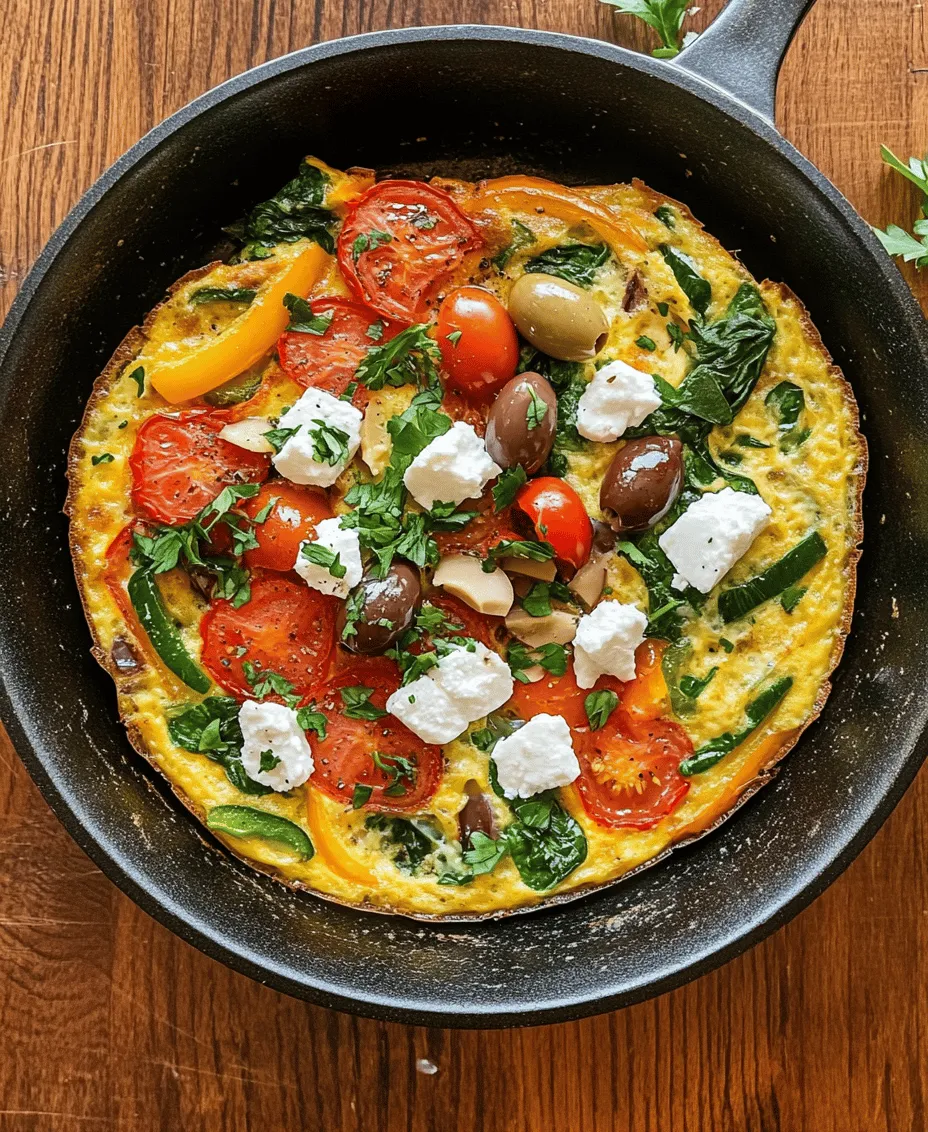
The Mediterranean diet has gained widespread acclaim for its numerous health benefits, making it a favorite among nutritionists and food enthusiasts alike. This diet is characterized by an abundance of plant-based foods, healthy fats, whole grains, and lean proteins, all of which contribute to a balanced and wholesome lifestyle. One standout dish that embodies the essence of this diet is the Mediterranean Veggie Frittata with Feta and Olives. This versatile and nutritious recipe not only showcases the vibrant flavors of the Mediterranean but also serves as a fantastic option for any meal of the day.
The Mediterranean Veggie Frittata is celebrated for its easy preparation and rich, savory flavors. With a colorful array of ingredients like fresh vegetables, creamy feta cheese, and salty Kalamata olives, this dish is as visually appealing as it is delicious. Perfect for brunch, lunch, or even a light dinner, this frittata promises to satisfy both your taste buds and your nutritional needs. Whether you’re a busy professional looking for a quick meal or a culinary enthusiast eager to explore Mediterranean cuisine, this recipe is bound to impress.
Understanding the Mediterranean Diet
The Mediterranean diet is more than just a way of eating; it’s a lifestyle that celebrates the flavors and traditions of countries bordering the Mediterranean Sea, including Greece, Italy, and Spain. At its core, this diet emphasizes a plant-based focus, encouraging the consumption of fruits, vegetables, legumes, nuts, and whole grains. Healthy fats, particularly olive oil, take center stage, while red meat and processed foods are limited.
Incorporating a variety of vegetables, herbs, and healthy proteins is crucial in this diet, as they not only contribute to flavor but also provide essential nutrients. Vegetables are packed with vitamins, minerals, and antioxidants, which support overall health and reduce the risk of chronic diseases. The use of herbs and spices, such as oregano, not only enhances the taste of dishes but also offers additional health benefits, including anti-inflammatory properties.
The Mediterranean diet has been associated with numerous health advantages, including improved heart health, better weight management, and a lower risk of chronic diseases such as diabetes and hypertension. By prioritizing whole, nutrient-dense foods, individuals can enjoy a balanced diet that promotes longevity and well-being. This makes the Mediterranean Veggie Frittata a perfect addition to your meal planning, as it aligns seamlessly with these dietary principles while offering a delicious way to incorporate a variety of healthy ingredients.
Ingredients Breakdown
To make the Mediterranean Veggie Frittata with Feta and Olives, you will need a selection of fresh and wholesome ingredients. Each component plays a vital role in delivering flavor, texture, and nutritional benefits. Here’s a closer look at the key ingredients:
Eggs
Eggs are the star of any frittata, serving as the primary source of protein and essential nutrients. They are rich in vitamins such as B12 and riboflavin, as well as minerals like selenium. Eggs provide a satisfying base for the frittata, offering a fluffy and creamy texture once cooked.
Milk (or Alternatives)
Adding milk or a non-dairy alternative contributes creaminess and moisture to the frittata. It helps create a tender texture and enhances the overall richness of the dish. Whether you opt for whole milk, almond milk, or oat milk, this ingredient is essential for achieving the perfect consistency.
Bell Peppers
Bell peppers bring a burst of color and sweetness to the frittata. They are an excellent source of vitamins A and C, as well as antioxidants that help combat oxidative stress in the body. Their crunchy texture adds a delightful contrast to the creamy eggs, making each bite enjoyable.
Cherry Tomatoes
Cherry tomatoes are another vibrant addition, providing freshness and a hint of sweetness. They are packed with vitamins C and K, as well as lycopene, an antioxidant linked to various health benefits. The juiciness of cherry tomatoes enhances the overall flavor profile of the frittata and adds a pop of color.
Spinach
Spinach is a nutritional powerhouse, rich in iron, vitamins A, C, and K, as well as beneficial plant compounds. Including spinach in your frittata not only boosts its nutritional value but also adds a lovely green hue. Its mild flavor allows it to blend seamlessly with the other ingredients.
Red Onion
Red onions contribute depth and sweetness to the frittata. They are known for their antioxidant properties and can enhance heart health. Sautéing red onions before adding them to the egg mixture helps to mellow their sharpness, allowing their natural sweetness to shine through.
Feta Cheese
Feta cheese is a classic ingredient in Mediterranean cuisine, known for its creamy texture and tangy flavor. It adds a rich, salty component to the frittata, enhancing the overall taste. Feta is also a source of calcium and protein, making it a nutritious addition.
Kalamata Olives
Kalamata olives bring a briny richness to the frittata, complementing the other flavors beautifully. They are high in healthy fats, particularly monounsaturated fats, which are beneficial for heart health. The distinct flavor of Kalamata olives adds a touch of authenticity to this Mediterranean dish.
Olive Oil
As a staple of Mediterranean cooking, olive oil is used not just for sautéing vegetables but also for its heart-healthy fat content. It enhances the flavor of the frittata and contributes to its overall richness. Choosing high-quality extra virgin olive oil can elevate your dish even further.
Oregano
Oregano is a fragrant herb commonly used in Mediterranean dishes. It adds a warm, earthy flavor to the frittata while also providing antioxidant and anti-inflammatory properties. Fresh oregano is preferred, but dried oregano can work well if that’s what you have on hand.
Salt and Pepper
Seasoning with salt and pepper is essential for enhancing the flavors of the ingredients. A pinch of salt and a few cracks of fresh pepper can elevate the taste profile of your frittata, ensuring that every bite is full of flavor.
Fresh Parsley
Finally, fresh parsley is often used as a garnish to add a pop of color and freshness to the dish. It can also provide an extra layer of flavor, making the frittata visually appealing and inviting.
Preparation Steps for the Mediterranean Veggie Frittata
Now that you have gathered your ingredients, it’s time to dive into the preparation steps for creating the Mediterranean Veggie Frittata. Follow these detailed instructions to achieve a perfect frittata every time:
Step 1: Preheat the Oven
Begin by preheating your oven to 375°F (190°C). This step ensures that your frittata cooks evenly and develops a lovely golden-brown top.
Step 2: Prepare the Vegetables
While the oven is preheating, take a moment to prepare your vegetables. Start by dicing the bell peppers and red onion into small pieces. This will help them cook evenly and blend seamlessly in the frittata. Halve the cherry tomatoes and roughly chop the spinach. Set aside.
Step 3: Sauté the Vegetables
In a large, oven-safe skillet, heat a tablespoon of olive oil over medium heat. Once the oil is shimmering, add the diced red onion and bell peppers. Sauté for about 3-4 minutes, or until the onions become translucent and the peppers soften. Next, add the chopped spinach and halved cherry tomatoes, cooking for an additional 2-3 minutes until the spinach wilts and the tomatoes begin to release their juices. Stir in the oregano, salt, and pepper to taste during this step to infuse the vegetables with flavor.
Step 4: Whisk the Eggs
In a separate bowl, crack the eggs and whisk them together with the milk (or alternative) until well combined. Season the egg mixture with a pinch of salt and pepper to enhance the flavor. This will be the base of your frittata.
Step 5: Combine Ingredients
Once the vegetables are cooked, evenly distribute them in the skillet. Pour the egg mixture over the sautéed vegetables, ensuring an even coverage. Sprinkle crumbled feta cheese and Kalamata olives on top of the egg mixture.
Step 6: Cook on Stovetop
Allow the frittata to cook on the stovetop over medium-low heat for about 5-7 minutes. This initial cooking helps set the edges of the frittata while the center remains slightly runny. Keep an eye on it to prevent the bottom from browning too quickly.
Step 7: Transfer to Oven
After cooking on the stovetop, transfer the skillet to the preheated oven. Bake for 15-20 minutes, or until the frittata is puffed and golden brown on top. A toothpick inserted into the center should come out clean when it’s done.
Step 8: Cool and Serve
Once baked, remove the frittata from the oven and let it cool for a few minutes. This allows the frittata to set further, making it easy to slice. You can garnish with fresh parsley for an added touch of color and flavor before serving.
With these steps, you now know how to prepare a delicious Mediterranean Veggie Frittata with Feta and Olives that embodies the essence of the Mediterranean diet. This dish not only offers a burst of flavors but also provides a healthy, satisfying option for any meal. Enjoy your culinary creation, and get ready to impress your family and friends with this delightful frittata!
Preheating the Oven: Importance of Temperature Control
Before diving into the preparation of your Mediterranean Veggie Frittata, it is crucial to preheat your oven. Setting your oven to the right temperature—typically around 375°F (190°C)—ensures that your frittata cooks evenly and thoroughly. An adequately preheated oven allows for the frittata to rise properly and develop a lovely golden color on the top. This step is not just a formality; it significantly impacts the texture and overall quality of the dish. A frittata cooked in an improperly heated oven can become gummy or unevenly cooked, so take this step seriously for the best results.
Mixing Eggs and Milk: Achieving the Right Consistency
Once your oven is preheating, it’s time to prepare the egg mixture. In a large mixing bowl, crack 6 large eggs and add about ½ cup of milk. The milk not only adds richness but also helps create a fluffier texture in the frittata. Using a whisk, beat the eggs and milk together until they are fully combined and slightly frothy. This aeration is key to achieving that light and airy texture. Season the mixture with a pinch of salt and a few cracks of black pepper to enhance the flavors of the eggs.
Sautéing Vegetables: Tips for Achieving the Perfect Sauté
Next, let’s sauté the vegetables. Heat a tablespoon of olive oil in a large, oven-safe skillet over medium heat. As the oil warms, add your chosen vegetables—such as diced bell peppers, chopped spinach, and sliced green onions. Sauté the vegetables for about 5-7 minutes, or until they become tender and slightly caramelized. Stir occasionally to ensure even cooking. To achieve the best results, make sure not to overcrowd the pan; this allows the vegetables to brown properly instead of steaming. The goal is to enhance their natural sweetness while imparting a rich flavor that will elevate your frittata.
Combining Ingredients: Ensuring Even Distribution of Flavors
Once the vegetables are sautéed to perfection, reduce the heat to low. Pour the egg and milk mixture over the sautéed vegetables, making sure to distribute it evenly. Gently stir the mixture to ensure that the vegetables are well incorporated throughout the eggs. This step is crucial for ensuring that every bite of the frittata is packed with flavor. Sprinkle crumbled feta cheese and pitted olives into the mixture, folding them in carefully to avoid breaking the cheese further. These ingredients add a briny, creamy contrast that is characteristic of Mediterranean cuisine.
Cooking on Stovetop: When to Transition to the Oven
Now, it’s time to cook the frittata on the stovetop before transferring it to the oven. Allow the mixture to cook undisturbed for about 3-5 minutes over low heat. During this time, you will notice the edges beginning to set while the center remains slightly runny. This technique is essential as it creates a sturdy base for the frittata and ensures that the bottom doesn’t burn when placed in the oven. Once you see the edges firming up, it’s time to transition to the oven for the final cooking stage.
Baking the Frittata: Signs of Readiness to Ensure Proper Cooking
Carefully transfer the skillet to your preheated oven. Bake the frittata for 15-20 minutes, or until the top is golden brown and a toothpick inserted in the center comes out clean. Keep an eye on it during the last few minutes of baking to prevent overcooking. The frittata should puff up slightly and maintain a slight jiggle in the center, indicating that it is still moist but not undercooked. Once done, remove it from the oven and let it cool for about 5 minutes before slicing.
Cooling and Slicing: Best Practices for Serving
Cooling the frittata slightly before slicing allows it to set further, making it easier to cut into wedges. Use a sharp knife to slice the frittata into 6-8 wedges. Serve it warm, at room temperature, or even cold, depending on your preference. This dish is incredibly versatile and can be enjoyed for breakfast, lunch, or dinner.
Serving Suggestions
To enhance your Mediterranean Veggie Frittata experience, consider these delightful accompaniments:
Fresh Salads: Light and Refreshing Options
Pair your frittata with a light salad to add a refreshing contrast. A simple arugula salad dressed with lemon vinaigrette or a classic Greek salad featuring cucumbers, tomatoes, red onion, and olives complements the Mediterranean flavors beautifully.
Whole Grain Bread: Complementing the Frittata’s Flavors
Serve your frittata alongside slices of whole grain bread. The hearty texture and nutty flavor of whole grain bread provide a wonderful balance to the creamy frittata. Consider toasting the bread and spreading a little olive oil or hummus for added taste.
Additional Toppings: Suggestions for Personalizing the Frittata
Encourage creativity by offering a variety of toppings. Consider serving it with a dollop of Greek yogurt, additional crumbled feta, or a sprinkle of fresh herbs like parsley or dill. These additions can elevate the dish and allow your guests to customize their servings.
Nutritional Information
This Mediterranean Veggie Frittata offers a wealth of nutritional benefits. Here’s a breakdown of the nutritional values per serving (assuming 6 servings):
– Calories: 180
– Protein: 10g
– Carbohydrates: 4g
– Dietary Fiber: 1g
– Sugars: 2g
– Total Fat: 13g
– Saturated Fat: 5g
– Cholesterol: 170mg
The frittata is a fantastic source of protein, thanks to the eggs, making it a satisfying meal choice. Additionally, the inclusion of vegetables provides essential vitamins and minerals, contributing to a balanced diet. As a vegetarian-friendly dish, it caters well to those looking to reduce meat consumption. The low-carb nature of this recipe makes it suitable for those following a ketogenic or low-carb diet.
Variations of the Mediterranean Veggie Frittata
One of the best aspects of the Mediterranean Veggie Frittata is its adaptability. Here are some creative suggestions for ingredient substitutions and additions:
Vegetable Options: Zucchini, Mushrooms, or Artichokes
Feel free to experiment with different vegetables based on your preferences or what’s in season. Zucchini and mushrooms can add moisture and texture, while artichokes provide a unique flavor profile that pairs well with the frittata’s Mediterranean theme.
Cheese Alternatives: Goat Cheese or Dairy-Free Options
If you want to switch up the cheese, consider using goat cheese for a tangy twist or dairy-free cheese options for a vegan-friendly version. This allows those with dietary restrictions to enjoy the dish without sacrificing flavor.
Protein Additions: Including Cooked Chicken or Chickpeas
For a heartier meal, you might add cooked chicken, turkey, or even chickpeas. These protein additions turn the frittata into a more filling dish, perfect for lunch or dinner. If you’re vegan, chickpeas are an excellent way to enhance the frittata’s protein content while keeping it plant-based.
Conclusion
The Mediterranean Veggie Frittata is a versatile and nutritious dish that celebrates the flavors of the Mediterranean. Its rich combination of eggs, vegetables, and traditional ingredients like feta and olives makes it a delightful option for any meal. Not only is it easy to prepare, but it also lends itself well to variations, allowing you to tailor it to your taste.
Encourage your culinary creativity by experimenting with different vegetables, cheeses, and proteins, and share your delicious creations with family and friends. Cooking is not just about nourishment; it’s a wonderful way to connect with others and create lasting memories around the table. Enjoy this frittata as a nutritious staple in your meal rotation, and let it inspire you to explore the diverse world of Mediterranean cuisine.