


Introduction
There’s something undeniably comforting about the smell of freshly baked blueberry muffins wafting through your kitchen. Homemade blueberry muffins offer a warmth that store-bought versions simply can’t replicate. With their golden tops, soft interiors, and bursts of juicy blueberries, these delightful treats are perfect for breakfast, brunch, or even a midday snack. Not only do they provide a delicious way to start your day, but they also bring a sense of nostalgia and joy that only homemade baked goods can offer.
One of the key aspects of achieving that perfect bakery-style muffin is the quality of your ingredients. Using fresh, high-grade components can significantly influence the flavor and texture of your muffins. From the plump blueberries that burst with juice to the creamy richness of unsalted butter, every ingredient plays a vital role in creating a muffin that’s not only tasty but also has the right consistency and crumb. In this article, we invite you to explore a recipe that promises to deliver perfect bakery-style blueberry muffins, ensuring that each bite is packed with flavor and happiness.
The Allure of Blueberry Muffins
Blueberry muffins have a rich history in American cuisine, tracing their roots back to the early days of colonial America. The Native Americans were the first to introduce blueberries to early settlers, who quickly recognized the berry’s versatility and sweetness. Over time, blueberry muffins emerged as a popular baked good, beloved for their simplicity and the natural sweetness of the fruit.
As baking techniques evolved, so did the blueberry muffin. Today, they are a staple in bakeries across the country, each with its unique twist, yet all maintaining that classic charm that makes them so appealing. The allure of blueberry muffins lies not just in their taste but also in their ability to evoke memories of family gatherings, lazy Sunday mornings, and the comfort of home cooking.
In addition to their delightful flavor, blueberry muffins boast a range of nutritional benefits. Blueberries are packed with antioxidants, vitamins, and minerals, making them a healthy addition to any diet. They are known to support heart health, improve brain function, and reduce the risk of chronic diseases. When incorporated into muffins, these tiny powerhouses not only add sweetness and moisture but also contribute to a more nutritious treat.
Understanding the Ingredients
To create the most delectable blueberry muffins, it’s essential to understand the role each ingredient plays in the overall outcome. Below, we break down the key components of our bakery-style blueberry muffin recipe:
All-Purpose Flour
All-purpose flour serves as the foundation of your blueberry muffins, providing the necessary structure and texture. The protein content in all-purpose flour helps form gluten, which gives the muffins their lift and chewiness. For best results, make sure to measure your flour accurately; too much can result in dry muffins, while too little can lead to a dense texture.
Granulated Sugar
Granulated sugar is not just a source of sweetness; it also plays a crucial role in moisture retention. As the muffins bake, sugar caramelizes, contributing to a golden-brown crust and a soft, tender interior. Additionally, sugar helps balance the tartness of the blueberries, enhancing the overall flavor profile.
Unsalted Butter
Unsalted butter is essential for adding richness and flavor to your muffins. When creamed with sugar, butter creates tiny air pockets that help the muffins rise during baking. Using unsalted butter allows for better control over the salt content in your recipe, ensuring that the flavors remain balanced.
Buttermilk
Buttermilk is a key ingredient that adds moisture and tanginess to blueberry muffins. The acidity in buttermilk reacts with baking soda, creating a leavening effect that results in a light and fluffy texture. If you don’t have buttermilk on hand, you can easily substitute it by mixing milk with a splash of vinegar or lemon juice.
Eggs
Eggs act as a binding agent in baking, helping to hold the ingredients together while providing moisture. They also contribute to the muffins’ structure and richness. For the best results, use room temperature eggs, as they incorporate more easily into the batter.
Vanilla Extract
Vanilla extract enhances the overall flavor of the muffins, adding warmth and depth. Using pure vanilla extract rather than imitation can make a noticeable difference in the final taste, so opt for quality when selecting this ingredient.
Baking Powder and Baking Soda
Both baking powder and baking soda are leavening agents that help the muffins rise. Baking powder contains both an acid and a base, while baking soda requires an acidic ingredient (like buttermilk) to activate. Using a combination of both ensures a perfect rise and a fluffy texture.
Salt
While it might seem counterintuitive to add salt to a sweet recipe, it plays a vital role in balancing flavors. A pinch of salt enhances the sweetness and overall complexity of the muffins, making each bite more enjoyable.
Fresh vs. Frozen Blueberries
When it comes to blueberries, you can choose between fresh and frozen options. Fresh blueberries will provide a burst of flavor and a lovely texture, while frozen blueberries are convenient and can be used year-round. If using frozen blueberries, there’s no need to thaw them before adding to the batter; this helps prevent the muffins from turning blue due to berry juices bleeding into the batter.
Lemon Zest
Although optional, a touch of lemon zest can elevate your blueberry muffins by adding a bright, citrusy note. This ingredient complements the sweetness of the blueberries and adds complexity to the flavor profile. Just be sure to use fresh lemons for the best taste.
Step-by-Step Guide to Making Blueberry Muffins
Now that you have a solid understanding of the ingredients, it’s time to dive into the preparation of your heavenly bakery-style blueberry muffins. The first step in making these delectable treats is prepping your kitchen and equipment.
Prepping the Kitchen
Before you begin mixing your ingredients, it’s crucial to prepare your kitchen and gather all necessary tools. Here’s what you’ll need:
1. Preheat the Oven: Start by preheating your oven to 375°F (190°C). This ensures that your muffins bake evenly and rise properly.
2. Prepare the Muffin Tin: Grease a standard muffin tin with butter or line it with paper muffin liners. This will prevent the muffins from sticking and make for easier cleanup. If you prefer a slightly crispier exterior, greasing the tin is the way to go. If you want a softer muffin texture, opt for liners.
3. Gather Your Ingredients: Measure out all your ingredients ahead of time, including all-purpose flour, granulated sugar, unsalted butter, buttermilk, eggs, vanilla extract, baking powder, baking soda, salt, and of course, the blueberries. Having everything ready will streamline the mixing process and help ensure you don’t forget any key elements.
With your kitchen set up for success, you’re now ready to embark on the journey of creating these delicious blueberry muffins. The following steps will guide you through the mixing and baking process, leading you to bakery-worthy results that will impress your family and friends. Stay tuned as we dive deeper into the exciting world of baking these scrumptious delights!
Mixing the Dry Ingredients: Techniques for Proper Blending
The foundation of any great muffin lies in the dry ingredients. Begin by measuring out your flour, baking powder, baking soda, salt, and any additional spices. Use a kitchen scale for precise measurements, which is vital for achieving that light and fluffy texture reminiscent of bakery-style muffins.
To properly blend the dry ingredients, use a whisk or a fork to aerate the flour and break up any clumps. This step ensures that the leavening agents are evenly distributed throughout the flour, which is essential for achieving uniform rise and texture. Sifting the flour can also be beneficial, especially if your flour has been stored in a humid environment.
Combining Wet Ingredients: Tips for Achieving a Smooth Batter
Next, it’s time to focus on the wet ingredients. In a separate bowl, combine your eggs, milk, vegetable oil (or melted butter), and vanilla extract. For the best results, ensure that all your wet ingredients are at room temperature. This not only helps in creating a smoother batter but also aids in the proper emulsion of fats and liquids, resulting in a moist muffin.
Use a whisk to blend the wet ingredients until well combined. Avoid over-mixing at this stage, as your goal is to create a cohesive mixture without incorporating too much air. Once fully mixed, set the wet ingredients aside while you prepare to combine them with the dry ingredients.
Folding Techniques: Importance of Not Overmixing
When it comes to combining the dry and wet ingredients, the folding technique is crucial. Pour the wet mixture into the dry ingredients, and using a spatula, gently fold the mixture together. This method involves lifting the batter from the bottom of the bowl and turning it over the top. Repeat this motion until you see no dry flour, but be careful not to overmix.
Overmixing can lead to gluten development, resulting in dense and rubbery muffins, rather than the light and fluffy consistency we desire. It’s okay if the batter appears slightly lumpy; this is a sign that you’ve mixed it just right.
Incorporating Blueberries: Best Practices for Even Distribution
Once your batter is well combined, it’s time to add the star ingredient: blueberries. For even distribution, consider tossing the blueberries in a small amount of flour before folding them into the batter. This helps prevent the blueberries from sinking to the bottom during baking.
Gently fold the blueberries into the batter, being careful not to crush them. If you’re using frozen blueberries, there’s no need to thaw them; just fold them in directly. This method ensures that the muffins are dotted with juicy blueberries throughout, enhancing both flavor and visual appeal.
Filling the Muffin Tin: How to Achieve the Perfect Muffin Shape
Now that your batter is ready, it’s time to fill the muffin tin. For best results, use paper liners or grease the muffin cups well to prevent sticking. Using an ice cream scoop or a measuring cup, fill each muffin cup about two-thirds full. This allows space for the muffins to rise without overflowing.
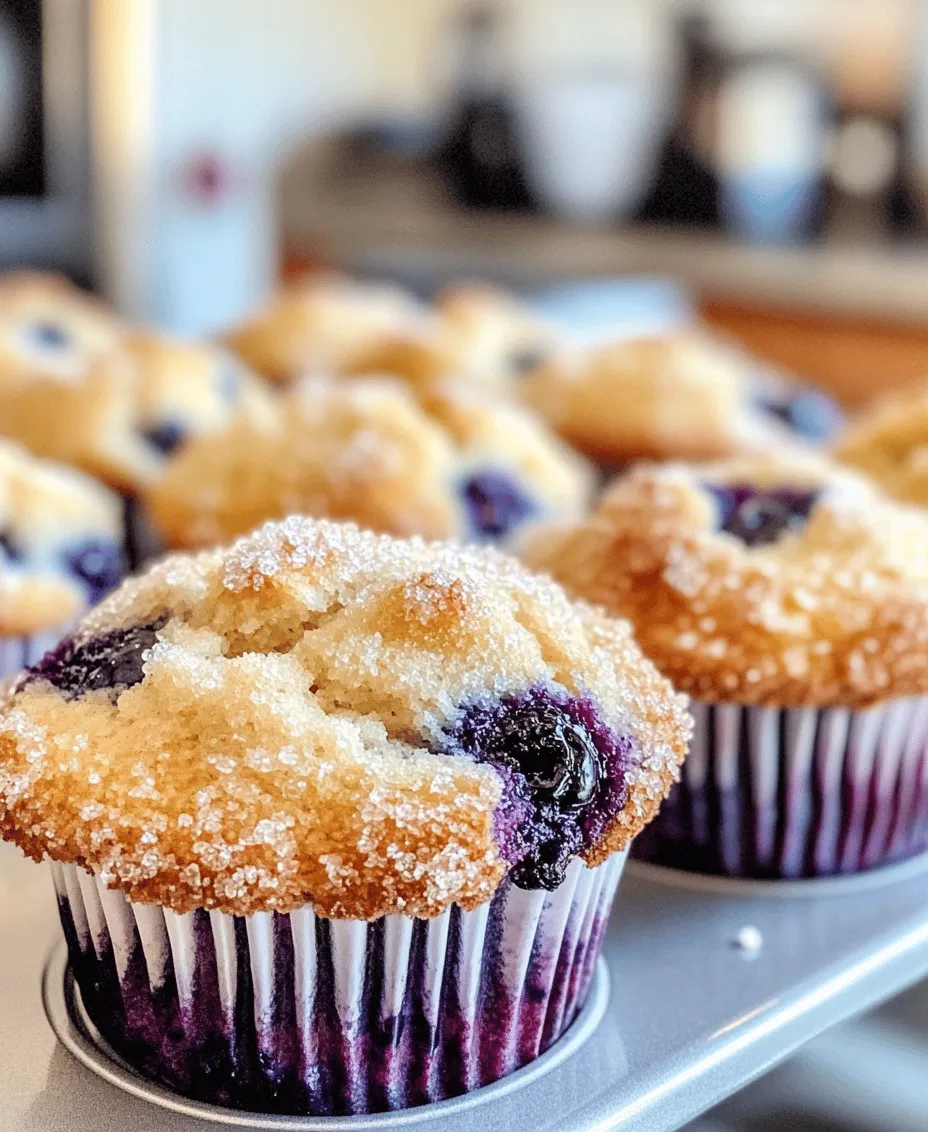
For a bakery-style finish, consider sprinkling a little sugar or a crumb topping over the batter before baking. This adds a delightful crunch to the top of your muffins, making them even more appealing.
Baking Process: Understanding Oven Settings and Timing
Preheat your oven to 375°F (190°C). Proper temperature control is essential for baking. A hot oven is vital for achieving a good rise in muffins, which contributes to their light texture.
Place the filled muffin tin in the center of the oven and bake for about 18-22 minutes, or until a toothpick inserted into the center comes out clean. Keep an eye on the muffins towards the end of the baking time to avoid overbaking, which can lead to dryness.
Cooling and Serving: Best Practices for Muffin Texture
Once baked, remove the muffins from the oven and let them cool in the pan for about 5 minutes. This cooling period allows the muffins to set, making them easier to remove without falling apart. After this brief cooling, transfer them to a wire rack to cool completely. This step prevents the muffins from becoming soggy on the bottom, maintaining that delightful texture.
Serve your muffins warm or at room temperature. They can be enjoyed plain or with a pat of butter, and they pair wonderfully with coffee or tea.
Tips for Achieving Bakery-Style Muffins
To achieve that coveted bakery-style muffin, attention to detail is key. Here are some essential tips:
– Proper Ingredient Measurements: Accurate measurements are crucial. Consider using a food scale for more precision.
– Using Room Temperature Ingredients: Allow your eggs and milk to come to room temperature before mixing. This creates a smoother batter and better texture.
– Exploring Variations: Feel free to experiment with spices like cinnamon or nutmeg, or add nuts such as walnuts or pecans to enhance the flavor profile.
– Customizing Toppings: From a simple sprinkle of sugar to a crumbly streusel topping, the options are limitless for adding a personal touch to your muffins.
Common Mistakes to Avoid
Even the most seasoned bakers can make mistakes. Here are some common pitfalls to avoid:
– Overmixing the Batter: As mentioned earlier, overmixing can lead to dense muffins. Mix just until combined.
– Underbaking or Overbaking: Keep an eye on your muffins towards the end of the baking time. If they are underbaked, they can be gooey, while overbaked muffins will be dry. The toothpick test is a reliable method to check doneness.
– Skipping the Cooling Process: Allowing muffins to cool in the pan briefly and then on a wire rack is vital for the best texture and flavor.
Storage and Shelf Life of Blueberry Muffins
To keep your blueberry muffins fresh, proper storage is essential. Here are some tips:
– Proper Storage Techniques: Store cooled muffins in an airtight container at room temperature for up to 3 days. If you want to keep them longer, consider freezing them.
– Tips for Freezing Muffins: To freeze, wrap each muffin individually in plastic wrap and then place them in a freezer-safe bag or container. They can last up to 3 months in the freezer.
– Shelf Life Considerations: While muffins are best enjoyed fresh, they can typically last about 1-2 days at room temperature. Always check for signs of spoilage before consuming.
Conclusion
Baking blueberry muffins at home is a rewarding experience that brings a taste of the bakery into your kitchen. With rich flavors and delightful textures, these muffins are sure to impress. Don’t hesitate to experiment with variations and personal touches to make the recipe your own.
The satisfaction of enjoying freshly baked blueberry muffins, warm from the oven, is unmatched. So gather your ingredients, follow the steps, and indulge in the joy of baking. Your taste buds will thank you!