
Introduction
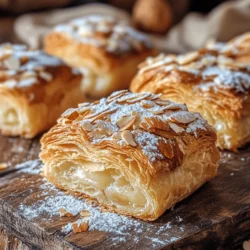
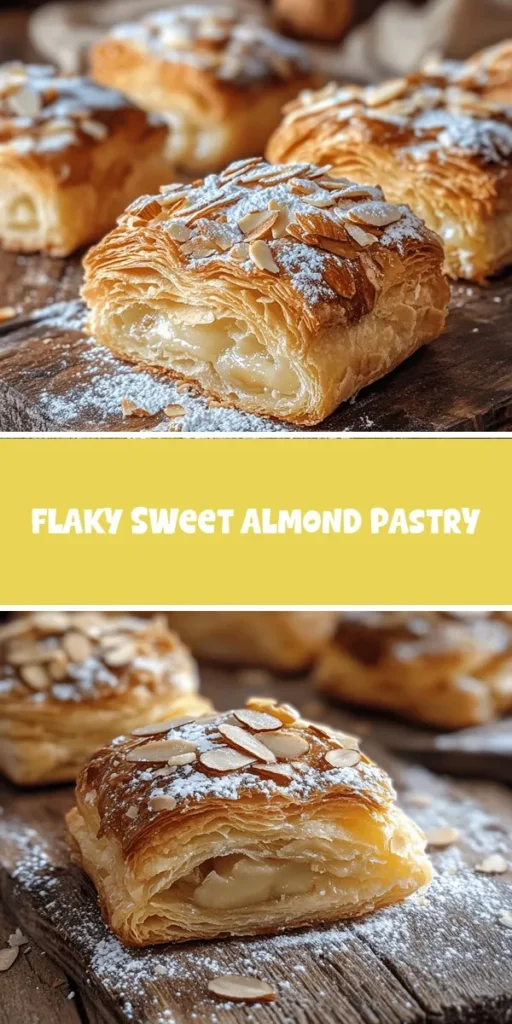
Flaky sweet almond pastries are a culinary delight that brings warmth and comfort into any kitchen. Their delicate layers, combined with a rich almond filling, create a treat that is both satisfying and indulgent. These pastries are perfect for any occasion, whether you’re hosting a brunch, celebrating a special event, or simply craving a sweet snack. The joy of baking at home lies not only in the delicious results but also in the process itself—transforming simple ingredients into something extraordinary.
This recipe for flaky sweet almond pastries will guide you through the art of creating these delectable treats from scratch. You’ll experience the satisfaction of mixing ingredients, rolling out dough, and finally, savoring the irresistible aroma wafting through your home as they bake. With a few essential ingredients and straightforward steps, you’ll be well on your way to impressing family and friends with your baking skills. Let’s dive into the world of flaky pastries and discover what makes them so special.
Understanding Flaky Pastry
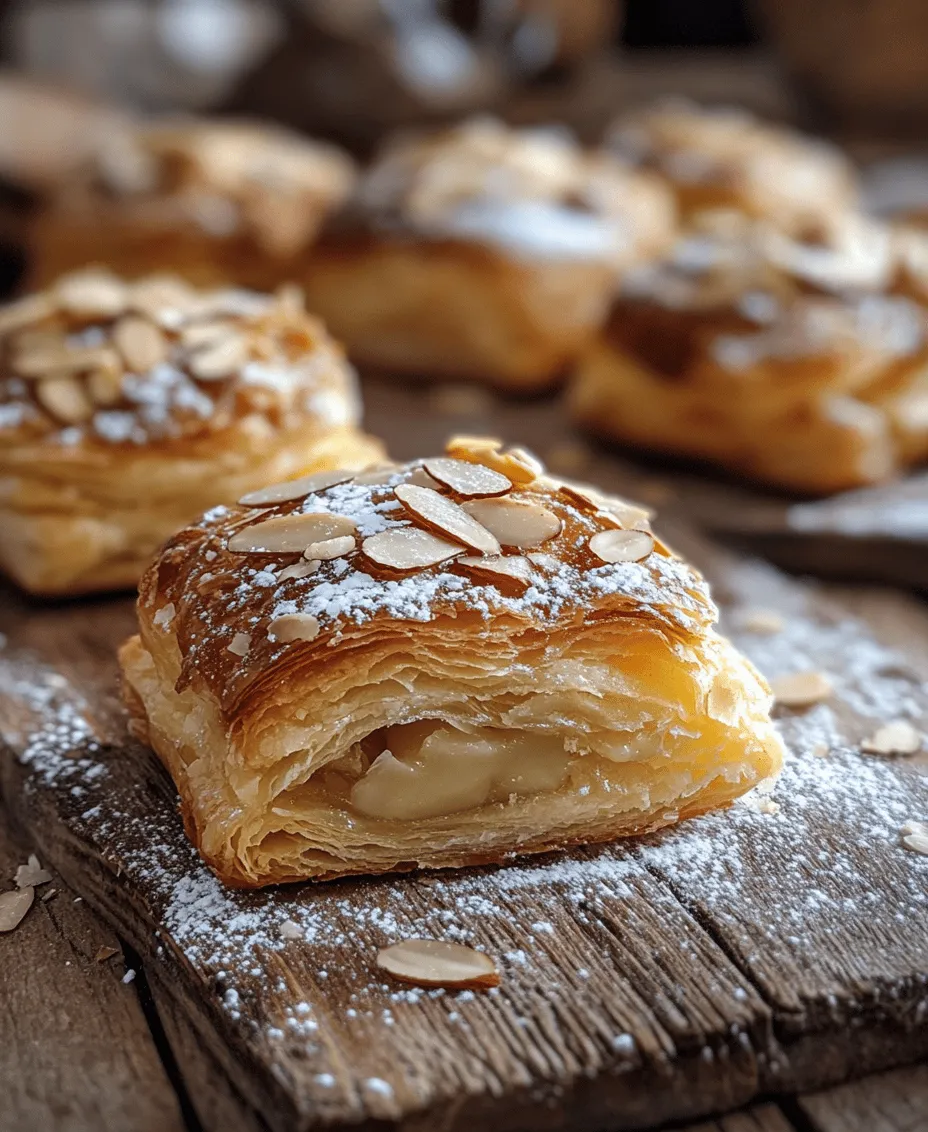
Flaky pastry is a type of dough known for its light, airy texture and numerous layers. The magic of flaky pastry lies in its ability to rise during baking, creating a delightful contrast between crisp outer layers and tender interiors. This is achieved through a method known as lamination, where layers of fat are incorporated into the dough, resulting in a pastry that is both flaky and rich.
The key characteristics of a good flaky pastry include:
– Layers: A well-made flaky pastry should have distinct layers that separate as it bakes. This layering is what provides that signature flakiness and delicate bite.
– Texture: The texture should be light and airy, with a slight crispness on the outside and a tender, almost melt-in-your-mouth quality on the inside.
– Flavor: A balance of buttery richness and subtle sweetness is essential in achieving the perfect flaky pastry. The flavor should enhance the filling, rather than overpower it.
Achieving the ideal flakiness in your pastry primarily relies on the quality and proportion of ingredients used. Two of the most crucial ingredients are flour and butter.
– Flour: All-purpose flour serves as the base structure of the pastry. The protein content in the flour helps create the necessary gluten, giving the pastry its strength while still allowing for a tender bite.
– Butter: Unsalted butter plays a vital role in creating flakiness. When cold butter is incorporated into the dough, it forms small pockets of fat that melt during baking, leading to the desired layers.
Understanding the science behind flaky pastry will help you appreciate the process and the end result even more. Now that we have laid the groundwork, let’s take a closer look at the ingredients needed to create these sweet almond pastries.
Ingredients Breakdown
Creating flaky sweet almond pastries requires a harmonious blend of ingredients, each serving a specific purpose to ensure the final product is both delicious and visually appealing. Below is a comprehensive list of all the required ingredients, along with an explanation of their roles:
1. All-purpose flour (2 cups): The foundation of the pastry, all-purpose flour provides the necessary structure. It should be measured accurately to prevent a dense or overly crumbly dough.
2. Sea salt (1/2 teaspoon): A small amount of sea salt enhances the overall flavor of the pastry, balancing the sweetness and adding depth to the taste.
3. Unsalted butter (1 cup, cold): The star ingredient for flakiness, cold unsalted butter should be cubed and incorporated into the flour to create those essential layers. Using unsalted butter allows for better control over the saltiness of the final product.
4. Powdered sugar (1/4 cup): This fine sugar dissolves easily in the dough, adding sweetness without affecting the texture. It also contributes to a tender crumb.
5. Egg yolk (1): The egg yolk acts as a binding agent, helping to bring the dough together while adding richness and flavor.
6. Cold water (2-4 tablespoons): Cold water is essential for forming the dough. It helps hydrate the flour and bring the ingredients together without warming the butter, which is critical for achieving flakiness.
7. Almond paste (1 cup): This is the main filling for the pastry, providing a rich, nutty flavor and moisture. Almond paste is made from ground almonds and sugar, creating a sweet and aromatic filling.
8. Granulated sugar (1/4 cup): Mixed into the almond paste, granulated sugar adds additional sweetness to the filling, balancing the nutty flavor of the almonds.
9. Vanilla extract (1 teaspoon): This aromatic flavor enhancer complements the almond flavor and adds a warm, inviting scent to the pastries.
10. Egg (for wash): A beaten egg is used as an egg wash, brushed on the pastry before baking to create a beautiful golden finish.
11. Sliced almonds (1/4 cup): Sprinkled on top of the pastries before baking, sliced almonds add a delightful crunch and enhance the overall presentation.
12. Powdered sugar (for dusting): A light dusting of powdered sugar after baking not only adds a touch of sweetness but also elevates the visual appeal of the pastries.
With this ingredient breakdown, you are well-prepared to embark on the journey of making flaky sweet almond pastries. In the following sections, we will explore the detailed steps involved in crafting these delectable treats, ensuring you have all the guidance you need for a successful baking experience.
Preparation Steps
Creating the perfect flaky sweet almond pastry involves a series of precise steps that ensure a delightful texture and rich flavor. From making the dough to baking, each phase requires attention to detail. Let’s dive into the preparation steps.
Making the Dough
The foundation of any pastry lies in its dough, and achieving that signature flakiness is crucial. Start by gathering your ingredients: all-purpose flour, cold unsalted butter, sugar, and salt. The key to a successful dough is using cold ingredients—this keeps the butter from melting into the flour too quickly, allowing for steam to create those flaky layers during baking.
1. Combine Dry Ingredients: In a large mixing bowl, whisk together the flour, sugar, and salt. This ensures that the sugar and salt are evenly distributed throughout the flour.
2. Cutting in the Butter: Next, add the cold butter, cut into small cubes. Use a pastry cutter or your fingertips to rub the butter into the flour mixture until it resembles coarse crumbs. This method incorporates the butter while retaining its coldness, which is essential for flakiness.
3. Adding Water: Gradually add ice-cold water, one tablespoon at a time, mixing until the dough just comes together. Avoid overworking the dough to keep it tender.
Adding the Egg Yolk
Once your dough is formed, it’s time to enhance its richness and structure by adding the egg yolk. This step not only contributes to the flavor but also adds moisture and helps bind the ingredients together.
1. Incorporate Egg Yolk: Gently knead the dough on a lightly floured surface, incorporating the egg yolk until it is fully integrated. This will give your pastry a beautiful golden hue once baked.
2. Chill the Dough: Wrap the dough in plastic wrap and refrigerate it for at least 30 minutes. Chilling allows the gluten to relax, making it easier to roll out later and helping to maintain the flake during baking.
Preparing the Filling
While the dough chills, prepare the almond filling that will elevate your pastries. The filling is made from ground almonds, sugar, and butter, creating a smooth, rich paste.
1. Process the Almonds: In a food processor, pulse the blanched almonds until they reach a fine meal consistency. Take care not to over-process, as this can lead to almond butter.
2. Mix the Filling: In a bowl, combine the ground almonds with sugar and softened butter. Mix until you achieve a smooth paste. For added flavor, consider incorporating a splash of almond extract or a hint of vanilla.
Rolling Out the Dough
Once the dough has chilled, it’s time to roll it out. This step requires some finesse to ensure even thickness and the right size for your pastries.
1. Flour the Surface: Lightly flour your work surface and rolling pin. This prevents the dough from sticking and helps maintain its shape.
2. Roll Evenly: Roll the dough into a rectangle about 1/8-inch thick. Aim for uniformity to ensure even baking. If the dough becomes too soft, return it to the refrigerator for a few minutes.
Filling the Pastries
Now that your dough is rolled out, it’s time to fill it with that delicious almond paste you prepared.
1. Cut the Dough: Using a sharp knife or a pastry cutter, slice the dough into squares or triangles, depending on your desired shape.
2. Add the Filling: Place a spoonful of the almond filling in the center of each piece. Be careful not to overfill, as this can lead to messy pastries.
3. Fold and Seal: Fold the dough over to create a triangle or rectangle, sealing the edges with a fork or by pressing them together with your fingers. This not only secures the filling but also adds a decorative touch.
Egg Wash and Topping
An egg wash does wonders for the appearance of your pastries, giving them a beautiful golden brown color.
1. Prepare the Egg Wash: Beat an egg with a tablespoon of water or milk. Use a pastry brush to apply the wash over the tops of the folded pastries.
2. Topping Options: For added texture and flavor, sprinkle sliced almonds or coarse sugar on top before baking. These not only enhance the visual appeal but also provide a delightful crunch.
Baking
With your pastries assembled and ready, it’s time to bake them to perfection.
1. Preheat the Oven: Set your oven to 375°F (190°C). Preheating is crucial for achieving that perfect flaky texture.
2. Baking Time: Place the pastries on a parchment-lined baking sheet, leaving enough space between each one for expansion. Bake for 20-25 minutes or until golden brown. Keep an eye on them towards the end of the baking time to prevent over-browning.
3. Indicators of Doneness: The pastries should be puffed and golden. You can also gently tap the bottom; if it sounds hollow, they are ready.
Cooling and Dusting
After baking, allow the pastries to cool on a wire rack. This step is vital as it prevents them from getting soggy.
1. Cooling Time: Let them cool for about 10 minutes before serving. This helps the filling set slightly and makes them easier to handle.
2. Dusting with Powdered Sugar: Just before serving, dust the pastries lightly with powdered sugar for an elegant finish. This not only adds sweetness but also enhances their visual appeal.
Serving Suggestions
Flaky sweet almond pastries are not just delicious on their own; they can be paired with various beverages and served in charming ways to impress your guests.
Pairing with Beverages
These pastries are perfect for accompanying your favorite drinks. Consider the following combinations:
– Coffee: A rich espresso or a creamy cappuccino pairs beautifully with the almond flavor, enhancing the overall experience.
– Tea: Herbal teas, such as chamomile or earl grey, offer a soothing complement to the sweetness of the pastry.
– Dessert Wines: A glass of sweet dessert wine can bring out the nuttiness of the almond filling, creating a sophisticated pairing.
Presentation Ideas for Gatherings and Parties
When it comes to serving, presentation matters. Here are a few ideas to display your flaky sweet almond pastries attractively:
– Tiered Stands: Arrange the pastries on a tiered cake stand for an elegant touch that invites guests to indulge.
– Platter Display: Use a decorative platter, garnished with fresh fruits like berries or citrus slices, to create a vibrant contrast.
– Accompanying Dips: Serve with a small bowl of honey or chocolate sauce for dipping, adding an interactive element to your dessert table.
Variations
To keep things exciting, consider experimenting with different fillings or toppings. Here are a few variations you might enjoy:
– Fruit Fillings: Swap the almond paste for fruit preserves or fresh fruit mixed with cream cheese for a seasonal twist.
– Chocolate: Add a layer of chocolate ganache or mini chocolate chips to the almond filling for a decadent treat.
– Nut-Free Alternatives: If you have nut allergies, try using sunflower seed butter or seed-based spreads as a filling.
Nutritional Information
When indulging in flaky sweet almond pastries, it’s helpful to have an overview of their nutritional content. While pastries are often considered a treat, they can still offer some nutritional benefits.
Nutritional Breakdown
Typically, one flaky sweet almond pastry contains approximately:
– Calories: 200-250
– Carbohydrates: 25-30g
– Protein: 4-5g
– Fat: 10-15g
– Fiber: 1-2g
Dietary Considerations
If you’re looking to adapt the recipe for specific dietary needs, consider the following substitutions:
– Gluten-Free Flour: Use a gluten-free all-purpose flour blend to create a gluten-free version of the pastry.
– Nut-Free Options: Replace almond flour with oat flour or sunflower seed flour to cater to those with nut allergies.
– Lower Sugar Alternatives: For a lower-sugar option, substitute granulated sugar with stevia or erythritol in the filling.
Conclusion
Making flaky sweet almond pastries is not only a rewarding culinary endeavor but also a delightful experience that fills your home with inviting aromas. The process of crafting these pastries connects us to the art of baking, allowing us to explore our creativity and share delicious treats with loved ones.
By following the detailed steps outlined in this recipe, you can create pastries that are not only visually stunning but also bursting with flavor. Embrace the joy of baking, experiment with variations, and don’t hesitate to share your creations. The joy of homemade treats is best experienced when shared, bringing friends and family together over a delightful pastry. So, gather your ingredients, roll up your sleeves, and enjoy the sweet journey of creating flaky almond pastries that will surely become a cherished favorite in your recipe collection.