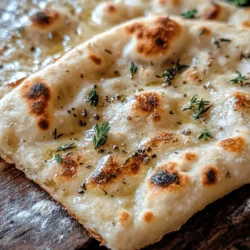

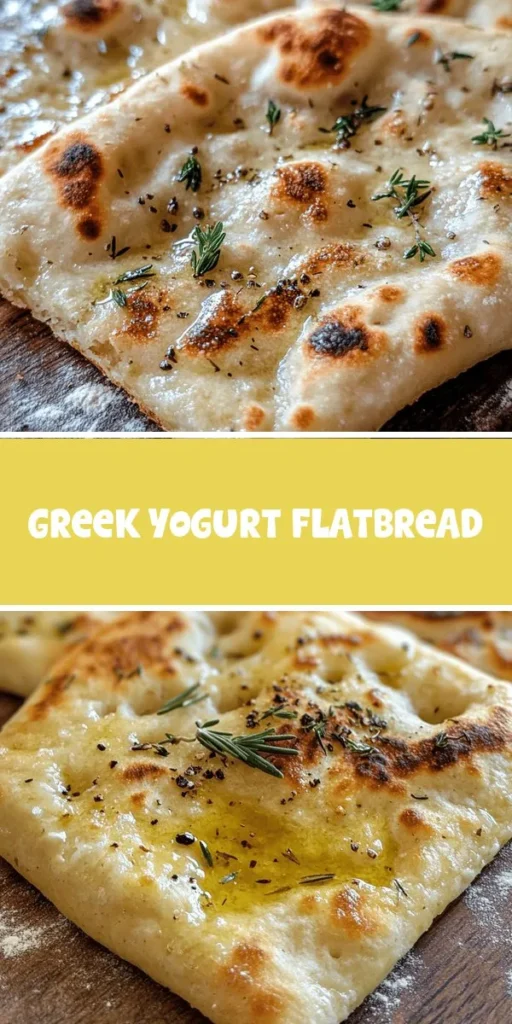
The allure of homemade flatbread lies in its simplicity and versatility, and the Greek Yogurt Flatbread Delight exemplifies this perfectly. This recipe combines the rich creaminess of Greek yogurt with the ease of bread-making, resulting in a delightful flatbread that is soft, flavorful, and incredibly quick to prepare. Whether you’re looking for a side to accompany your favorite dips, a base for your grilled meats, or a standalone snack, this flatbread is sure to impress. In this article, we will explore the ingredients, step-by-step instructions, and the myriad ways you can serve and enjoy this delicious flatbread.
Understanding the Ingredients
Exploring Greek Yogurt
Greek yogurt has gained popularity in recent years, not only for its creamy texture but also for its nutritional benefits. Rich in protein, it serves as an excellent ingredient that adds moisture and richness to the dough. Unlike regular yogurt, Greek yogurt is strained to remove excess whey, resulting in a thicker consistency that contributes to the flatbread’s soft texture.
Incorporating plain Greek yogurt into the recipe is crucial, as flavored varieties can introduce sugars and additives that may alter the taste and texture of the flatbread. Additionally, Greek yogurt is a source of probiotics, which can aid in digestion and enhance gut health. Thus, using this creamy ingredient not only enriches the flavor but also boosts the nutritional profile of your flatbread.
The Role of Flour
The type of flour you choose can significantly impact the outcome of your flatbread. All-purpose flour is the most common choice due to its balanced protein content, which helps achieve a tender yet chewy texture. However, if you’re looking for alternatives, you can experiment with whole wheat flour for a nuttier flavor or gluten-free blends for those with dietary restrictions.
Flour contributes to the structure of the flatbread, providing the necessary gluten that gives the bread its elasticity. The right flour ensures that the flatbread rises properly and retains its shape while cooking, making it an essential component of this recipe.
Baking Powder and Salt
Baking powder acts as a leavening agent, helping the flatbread to rise and achieve that desired fluffy texture. In this recipe, the leavening process is relatively quick, allowing you to enjoy freshly made flatbread in no time. The science behind this is straightforward; when baking powder is combined with moisture and heat, it releases carbon dioxide, creating air pockets that make the dough light and airy.
Salt plays a vital role in enhancing the flavor of the flatbread. Not only does it bring out the natural flavors of the other ingredients, but it also helps to balance the richness of the yogurt and the sweetness of the flour. A pinch of salt can elevate your flatbread from good to exceptional, making it a critical component of this recipe.
Olive Oil and Garlic Powder
Olive oil is another key ingredient that adds richness and flavor to the flatbread. Known for its heart-healthy fats, olive oil not only enhances the taste but also contributes to the dough’s tenderness. When incorporated into the dough, it creates a moist texture that helps prevent the flatbread from becoming dry during cooking.
Though optional, garlic powder can be added to the dough for an aromatic flavor profile. Garlic complements the richness of the yogurt and the earthiness of the olive oil, infusing the flatbread with a savory note that pairs well with various dishes. You can adjust the amount based on your preference, making it a versatile addition to suit your taste.
Herbs and Seasoning
To elevate the flavor of your Greek Yogurt Flatbread, consider incorporating fresh herbs and seasonings. Herbs such as parsley, dill, or oregano can be added to the dough for a burst of flavor, while also providing a vibrant visual appeal. Fresh herbs not only enhance the taste but also add nutritional benefits, making your flatbread more wholesome.
Additionally, experimenting with different spices or seasoning blends can offer unique twists to your flatbread. A sprinkle of za’atar or a dash of cumin can transport your flatbread to new culinary heights, making it an exciting dish to serve at gatherings or as a delightful snack.
Step-by-Step Instructions for the Perfect Flatbread
With a clear understanding of the ingredients at hand, let’s delve into the step-by-step instructions for creating the perfect Greek Yogurt Flatbread.
Mixing the Dough
Start by combining the dry ingredients in a large mixing bowl. This includes the flour, baking powder, and salt. Whisking these together ensures an even distribution of the leavening agent and salt, which is crucial for uniform flavor and texture.
Next, create a well in the center of the flour mixture and add your Greek yogurt and olive oil. Using a spatula or a wooden spoon, gently mix the ingredients together until they begin to form a shaggy dough. This initial mixing is vital for ensuring that the yogurt is evenly incorporated throughout the flour.
As you mix, pay close attention to the consistency of the dough. It should be slightly tacky but not overly sticky. If the dough is too dry, add a little water, one tablespoon at a time, until you reach the desired consistency. Conversely, if it’s too wet, sprinkle in a bit more flour until it firms up. Be cautious, as the humidity and the moisture content of the yogurt can affect the dough, so adjust as necessary.
Kneading Techniques
Once your dough has come together, it’s time to knead it. Transfer the dough onto a lightly floured surface. Kneading is essential for developing the gluten in the flour, which gives the flatbread its structure and texture.
To knead, fold the dough over itself and press down with the heel of your hand. Rotate the dough a quarter turn and repeat this process for about 5-7 minutes. You’ll know your dough is ready when it becomes smooth and elastic. A simple test to check this is to poke the dough; if it springs back, it’s a sign that the gluten has developed properly.
If at any point you notice the dough is sticking to your hands or the surface, sprinkle a little more flour as needed to prevent it from sticking. Avoid adding too much flour, as this can result in a dense flatbread.
Shaping the Flatbreads
After kneading, allow your dough to rest for about 10-15 minutes. This resting period relaxes the gluten, making it easier to roll out into flatbreads. Once rested, divide the dough into equal portions, depending on how large you want your flatbreads to be.
To shape the flatbreads, take one portion of dough and flatten it slightly with your palm. Using a rolling pin, roll it out into a circle or oval shape, aiming for a thickness of about ¼ inch. For even cooking, it’s important to maintain a uniform thickness throughout the flatbread.
If you prefer a rustic look, you can also use your hands to stretch the dough gently into shape instead of rolling it out. This method allows for some variation in thickness, resulting in a charming, homemade appearance.
Cooking the Flatbread
To cook your flatbreads, heat a skillet over medium-high heat. A cast-iron skillet or a non-stick pan works best for achieving that perfect golden-brown crust. Once the skillet is hot, place the rolled-out flatbread onto the surface.
Cook for about 2-3 minutes on one side, or until you see bubbles forming on the surface and the underside is golden brown. Flip the flatbread using tongs and cook for an additional 2-3 minutes on the other side. The key to perfect flatbread is ensuring that your skillet is adequately heated to allow for quick cooking without burning.
As you cook each flatbread, consider wrapping them in a clean kitchen towel to keep them warm and soft until all are cooked. This step is particularly helpful if you’re making multiple flatbreads, allowing them to maintain their warmth and flexibility for serving.
By following these detailed steps, you’re well on your way to creating delicious Greek Yogurt Flatbread that will delight your family and friends. Stay tuned for more tips on serving and enjoying this delightful recipe!
Understanding Cooking Times and Temperatures
Cooking times and temperatures are crucial in ensuring that your Greek Yogurt Flatbread turns out perfectly every time. The ideal cooking temperature for flatbreads is typically around 400°F (200°C) if you are using an oven. This temperature allows for even cooking, ensuring a golden-brown exterior while keeping the interior soft and chewy.
If you’re using a stovetop or griddle, medium-high heat is recommended for cooking your flatbreads. Each side should take about 2-3 minutes to cook; you will know they are done when they puff up slightly and develop a light golden-brown color. Since stovetops can vary in temperature, it’s essential to keep an eye on the flatbreads to prevent burning.
Finishing Touches
Adding Olive Oil and Fresh Herbs Post-Cooking
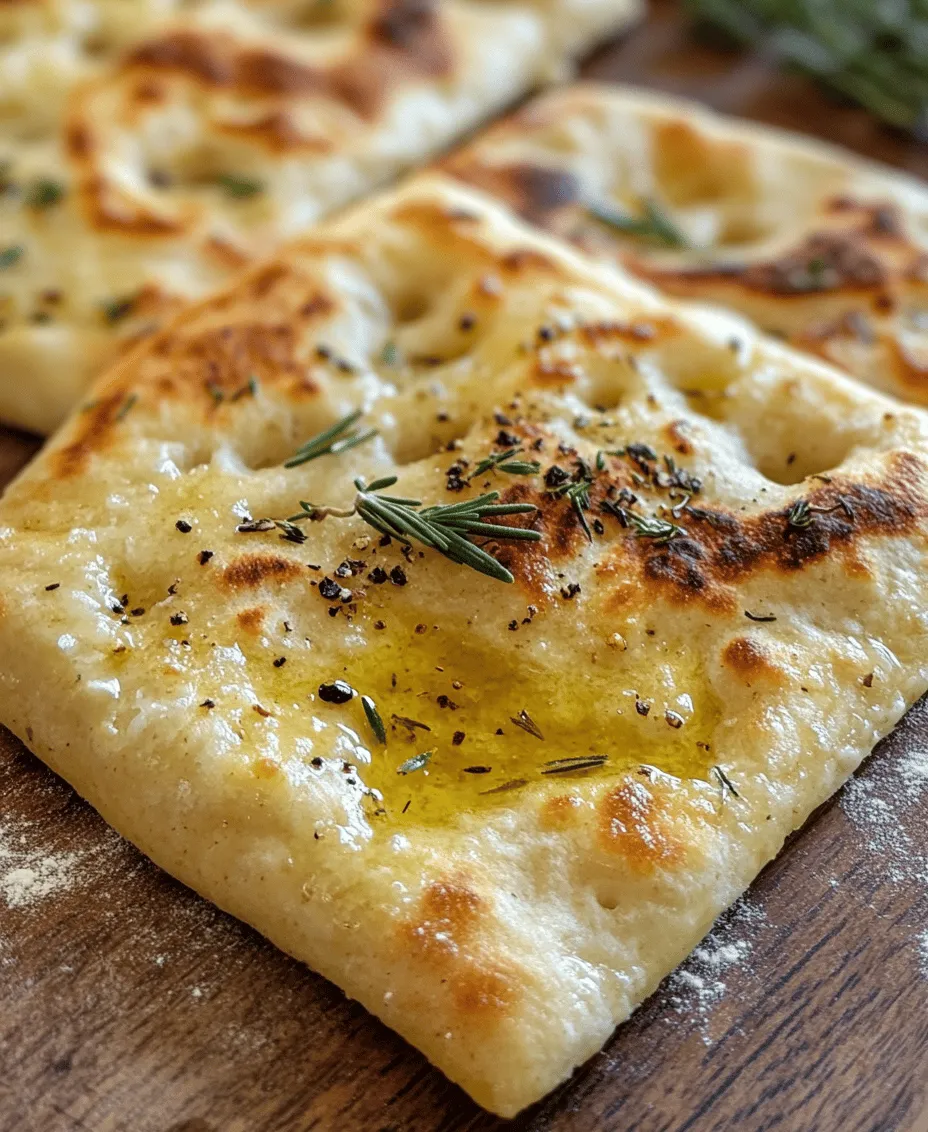
Once your flatbreads are cooked to perfection, consider adding a drizzle of high-quality olive oil and a sprinkle of fresh herbs, such as rosemary, thyme, or parsley. This finishing touch not only enhances the flavor but also adds a beautiful sheen to your flatbreads, making them visually appealing.
Why These Final Steps Elevate the Dish
Adding olive oil and fresh herbs post-cooking elevates the dish by introducing additional layers of flavor. Olive oil provides a rich, fruity note that complements the tanginess of the yogurt in the flatbread, while fresh herbs add a burst of freshness. This simple step can transform your flatbread from ordinary to extraordinary, making it a standout element of any meal.
Serving Suggestions
Pairing with Dips and Spreads
Flatbreads are incredibly versatile and pair beautifully with various dips and spreads. Here are a few ideas that will elevate your Greek Yogurt Flatbread Delight:
– Hummus: This creamy, chickpea-based dip is a classic pairing. Its nutty flavor and texture complement the flatbread perfectly.
– Tzatziki: A refreshing yogurt and cucumber dip that adds a cool contrast to the warm flatbread. It brings a Mediterranean flair to your dish.
– Baba Ghanoush: A smoky eggplant dip that pairs wonderfully with the subtle flavors of the flatbread.
– Pesto: A vibrant basil pesto adds a burst of herbaceous flavor that enhances the flatbread experience.
You can create a stunning flatbread platter for gatherings by arranging these dips in small bowls alongside your flatbreads. Add some sliced vegetables, olives, and cheese for a beautiful and shareable appetizer or snack.
Using Flatbreads in Meals
Greek Yogurt Flatbreads can serve as a versatile base for numerous meals. Here are some creative ways to incorporate them:
– Wraps: Use flatbreads to wrap up grilled vegetables, meats, or falafel for a tasty and filling meal.
– Pizzas: Top your flatbreads with tomato sauce, cheese, and your favorite toppings for a quick flatbread pizza.
– Accompaniment: Serve flatbreads alongside grilled meats, such as chicken or lamb, and a fresh salad for a well-rounded meal.
The beauty of these flatbreads lies in their adaptability, allowing you to get creative in the kitchen while enjoying the wholesome goodness they provide.
Nutritional Information
Caloric Breakdown
When making Greek Yogurt Flatbread Delight, you’re not just indulging in deliciousness; you’re also benefiting from nutritious ingredients. Each flatbread contains approximately:
– Calories: 150-200 calories per serving (based on size)
– Carbohydrates: About 30g
– Protein: Approximately 6g (thanks to the Greek yogurt)
– Fats: 3g (if using olive oil)
– Fiber: 2g (if you choose whole wheat flour)
Health Benefits of the Ingredients Used
The ingredients in this flatbread recipe offer various health benefits. Greek yogurt is an excellent source of protein and probiotics, promoting gut health. Olive oil is rich in healthy fats and antioxidants, supporting heart health. Whole wheat flour (if used) adds fiber, which is essential for digestive health.
Tips for Customization
Flavor Variations
Feel free to experiment with flavors to suit your palate. Here are some suggestions:
– Spices: Incorporate spices such as cumin, paprika, or garlic powder into the dough for an extra kick.
– Herbs: Experiment with dried herbs like oregano or basil mixed into the dough for an aromatic twist.
– Sweet Versions: For a sweet treat, consider adding honey, cinnamon, and dried fruits to the dough, perfect for breakfast or dessert.
Making It Gluten-Free
For those with gluten intolerance, you can make this flatbread gluten-free by substituting all-purpose flour with a gluten-free flour blend. Ensure that the blend contains xanthan gum or another binding agent to achieve the desired texture. Additionally, you may need to adjust the liquid content slightly to ensure the dough binds well.
Storing and Reheating Flatbreads
Best Practices for Storage
To keep your Greek Yogurt Flatbreads fresh, store them in an airtight container at room temperature for up to three days. If you want to keep them longer, you can refrigerate them for up to a week or freeze them for up to three months. When freezing, ensure they are wrapped tightly in plastic wrap and placed in a resealable freezer bag to prevent freezer burn.
Reheating Techniques
When it comes to reheating your flatbreads, aim to retain their delightful texture:
– Oven Method: Preheat your oven to 350°F (175°C). Place the flatbreads on a baking sheet and warm them for about 5-10 minutes until heated through.
– Stovetop Method: Heat a skillet over medium heat and add the flatbread. Cook for about 1-2 minutes on each side until warm and slightly crisp.
– Microwave Method: For a quick option, place the flatbread on a microwave-safe plate and cover with a damp paper towel. Heat for 15-20 seconds, but be cautious not to overheat, as this may make the flatbread tough.
Conclusion
The Greek Yogurt Flatbread Delight is not only a testament to the joy of homemade bread-making but also a versatile addition to any meal. With its simple ingredients and quick preparation time, it invites both novice cooks and seasoned chefs to experiment in the kitchen. Whether you serve it warm with dips, use it as a base for savory toppings, or enjoy it alongside your favorite grilled meats, this flatbread promises to be a delightful and nutritious option. Embrace the process of making your own flatbread and savor the rewards it brings to your meals.