
Introduction
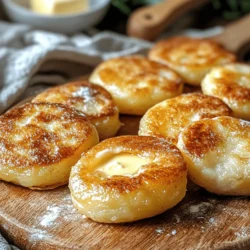
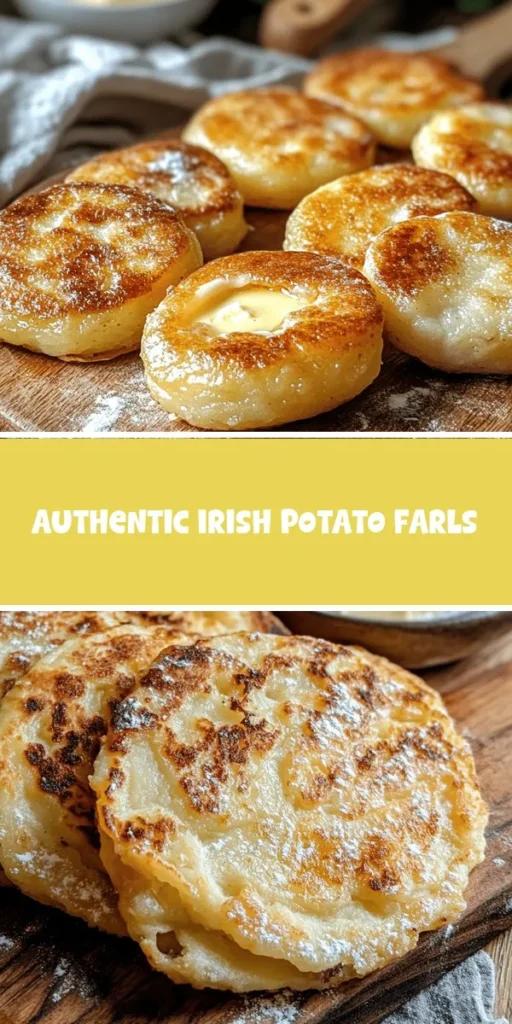
Irish cuisine is a rich tapestry woven from centuries of tradition, culture, and a deep connection to the land. Among the many culinary treasures that have emerged from the Emerald Isle, potato farls hold a special place in the hearts and kitchens of Irish families. These delightful potato cakes, known for their crispy exterior and soft, fluffy interior, are a quintessential comfort food in Ireland. Whether enjoyed for breakfast, served alongside a hearty stew, or simply topped with butter and jam, potato farls are a versatile dish that appeals to a broad range of palates.
The significance of potato farls goes beyond mere sustenance; they embody the resourcefulness and creativity of Irish cooking, where the humble potato is transformed into something exquisite. This recipe for Savory Irish Potato Farls will guide you through crafting these traditional cakes, showcasing the simplicity and flavor that define Irish cooking.
Understanding Potato Farls
Definition and Origin of Potato Farls
Potato farls are flatbread-like cakes made primarily from potatoes, flour, and a few essential ingredients. The term “farl” originates from the Gaelic word “faile,” meaning “a quarter.” Traditionally, potato farls are shaped into quarters, allowing for easy cooking on a griddle or frying pan. This method of preparation is not only practical but also reflects the resourcefulness of Irish cooks who have relied on simple, readily available ingredients to create satisfying meals.
The roots of potato farls can be traced back to the 19th century, a time when the potato became a staple food in Ireland due to its ability to thrive in the Irish climate. As the potato gained prominence in Irish kitchens, various recipes emerged, with each region adding its unique touch. While potato farls may not be as widely recognized as soda bread or boxty, they represent a cherished aspect of Ireland’s culinary heritage.
The Role of Potatoes in Irish Cooking
Potatoes have a storied history in Irish cuisine, often regarded as the backbone of many traditional dishes. Introduced to Ireland in the late 16th century, the potato quickly became a dietary staple, providing essential nutrients and energy. The ability of potatoes to flourish in the Irish soil made them a reliable food source, especially during times of hardship, such as the Great Famine in the mid-19th century.
Irish cooking celebrates the potato in numerous forms—mashed, roasted, or baked—and the versatility of this tuber is showcased in dishes ranging from colcannon to shepherd’s pie. Potato farls stand out as a unique application of this beloved ingredient, offering a delightful blend of texture and flavor that pairs well with various accompaniments.
Comparison with Other Traditional Irish Breads
While potato farls are often compared to other traditional Irish breads, such as soda bread and boxty, they each have distinct characteristics. Soda bread, made with baking soda as a leavening agent, has a denser texture and a slightly tangy flavor due to the addition of buttermilk. Boxty, on the other hand, is a potato pancake that incorporates grated raw potatoes and is known for its crispiness and heartiness.
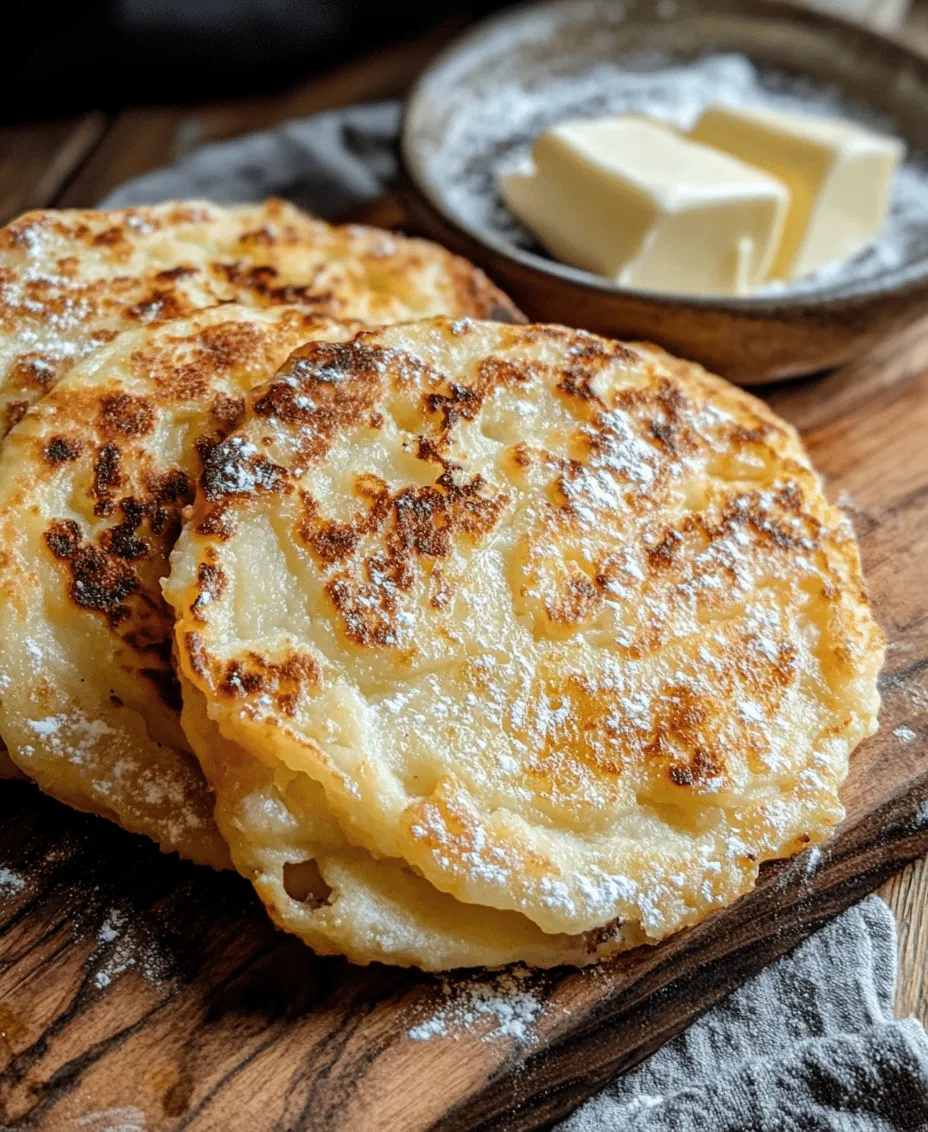
Potato farls, with their simple ingredient list and straightforward preparation, occupy a unique niche in Irish cuisine. They are soft and fluffy on the inside while achieving a golden-brown crust on the outside, making them ideal for a variety of serving options—whether as part of a full Irish breakfast or as a delicious side to a comforting stew.
Ingredients Breakdown
To create the perfect Savory Irish Potato Farls, it’s essential to understand the role of each ingredient in the recipe. Here, we will explore the key components that make up these delightful potato cakes.
Starchy Potatoes: Importance of Variety
The choice of potatoes is crucial in achieving the right texture and flavor in your potato farls. For this recipe, starchy potatoes such as Russets or Maris Piper are recommended. Russet potatoes are known for their high starch content, which contributes to a fluffy and light texture when mashed. Maris Piper potatoes, a popular variety in Ireland, offer a creamy consistency and a slightly nutty flavor, making them an excellent choice for potato farls.
All-Purpose Flour: How It Contributes to Texture
All-purpose flour is used in potato farls to provide structure and balance the moisture from the potatoes. The flour helps bind the ingredients together, ensuring the farls hold their shape during cooking. While it’s essential not to overwork the dough, a small amount of flour is necessary for achieving that perfect texture—light yet sturdy enough to withstand frying.
Baking Powder: Role in Leavening
Baking powder is included in the recipe to provide a slight lift to the farls, resulting in a fluffy interior. This leavening agent works by releasing carbon dioxide when mixed with moisture and heat, creating tiny air pockets that contribute to the overall lightness of the cakes. The combination of baking powder and starchy potatoes results in a delightful contrast between the crispy exterior and the soft interior.
Salt: Enhancing Flavor
Salt is a fundamental ingredient in any recipe, and potato farls are no exception. It enhances the natural flavors of the potatoes while also balancing the richness of the butter and milk. A pinch of salt can elevate the overall taste of the farls, making them more enjoyable.
Butter and Milk: Adding Richness and Moisture
Butter and milk are essential for imparting richness and moisture to potato farls. Butter not only adds flavor but also contributes to the golden color of the farls when frying. Milk, whether regular or buttermilk, provides additional moisture, ensuring the cakes remain soft and tender. Buttermilk, in particular, can add a slight tang that complements the earthy flavors of the potatoes.
Optional Variations: Using Buttermilk for Added Tang
For those looking to experiment with flavors, substituting regular milk with buttermilk can introduce a delightful tanginess to the farls. This variation not only enhances the taste but also adds a touch of creaminess to the texture. Additionally, you might consider adding finely chopped herbs, such as chives or parsley, to the dough for a burst of freshness.
Additional Ingredients for Frying: Butter vs. Oil Considerations
When it comes to frying potato farls, you have the option to use either butter or oil—or a combination of both. Butter adds a rich flavor and helps achieve a beautifully browned crust, while oil has a higher smoke point, allowing for more even cooking. For the best results, many cooks prefer using a mix of both, taking advantage of the flavor of butter while ensuring the farls do not burn.
Step-by-Step Instructions
Detailed Guide to Preparing the Potatoes
To begin making Savory Irish Potato Farls, the first step is to prepare the potatoes. Start by selecting your preferred starchy potato variety.
1. Peeling and Cutting: Begin by peeling the potatoes and cutting them into even chunks. This ensures they cook uniformly.
2. Boiling: Place the potato chunks into a pot of salted water and bring to a boil. Cooking them until tender—about 15-20 minutes—will allow for easy mashing. Ensure they are soft enough to break apart easily when pierced with a fork.
3. Draining: Once the potatoes are cooked, drain them thoroughly in a colander to remove excess moisture. This step is crucial, as too much water can lead to a gummy texture in your farls.
Importance of Cooking Method for Achieving the Right Texture
The cooking method you choose will significantly influence the final texture of your potato farls. Boiling is the most common method, but you can also opt for baking or steaming the potatoes. Each method imparts a different moisture level and flavor profile. For instance, baking potatoes can enhance their natural sweetness due to caramelization, while steaming retains more nutrients and moisture.
Techniques for Mashing Potatoes Properly
Once the potatoes are drained, it’s time to mash them. Here are some tips for achieving perfectly smooth and fluffy mashed potatoes:
1. Use a Potato Ricer or Masher: For the best results, use a potato ricer or a traditional masher. Avoid using a food processor, as it can create a gluey texture due to overworking the starches.
2. Mash While Warm: Mash the potatoes while they are still warm to help them break down more easily. This will also allow any added ingredients, such as butter and milk, to melt and incorporate seamlessly.
3. Add Ingredients Gradually: As you mash, gradually add melted butter and milk, mixing until you achieve a smooth consistency. Taste and adjust the seasoning with salt as needed, ensuring the mixture is well-flavored before proceeding to the next steps.
With the potatoes prepared and ready, you’re well on your way to creating delicious Savory Irish Potato Farls that will impress your family and friends. Stay tuned as we dive deeper into the exciting process of shaping and cooking these delightful treats!
Tips for Ensuring Smoothness and Avoiding Lumps
Achieving a smooth texture in your potato farls is crucial for the best flavor and mouthfeel. Here are some effective tips to ensure your potato mixture is lump-free:
1. Use Starchy Potatoes: Choose a starchy variety like Russett or Maris Piper. These potatoes break down more easily when cooked, allowing for a smoother mash.
2. Cook Thoroughly: Make sure the potatoes are fully cooked before mashing. Undercooked potatoes can lead to lumps. Test doneness by piercing them with a fork; they should be soft and easily fall apart.
3. Mash While Hot: Mash the potatoes while they’re still warm, as they will yield a smoother texture compared to when they cool down. Use a potato ricer or a fine sieve for an ultra-smooth consistency.
4. Add Ingredients Gradually: When incorporating flour and salt, add them gradually and mix gently. Over-mixing can lead to a dense texture.
Combining and Kneading the Dough
Once your potatoes are smooth, it’s time to combine the other ingredients and knead the dough. Follow these steps for the best results:
1. Mix Ingredients: In a large bowl, combine the smooth mashed potatoes with the flour and salt. Use a fork or your hands to mix until just combined. Avoid overworking the dough to maintain tenderness.
2. Knead Gently: Transfer the mixture to a lightly floured surface. Knead gently for about 1-2 minutes, just until the dough comes together and is cohesive. The dough should feel soft but not sticky. If it’s too sticky, sprinkle a little more flour as needed.
Explanation of Dough Consistency and Signs of Readiness
The dough’s consistency is key to making perfect potato farls. Here’s how to know when your dough is ready:
– Soft and Pliable: The dough should be soft and pliable without being sticky. If it clings to your hands or the work surface, it may need more flour.
– Smooth Surface: Look for a smooth surface without visible lumps or cracks. This indicates that the ingredients are well-combined.
Shaping the Farls
Now that your dough is ready, it’s time to shape the farls. Follow these steps for even and uniform shapes:
1. Divide the Dough: After kneading, divide the dough into two equal portions. This will make handling easier and ensure even cooking.
2. Flatten the Dough: Take one portion of the dough and flatten it into a round disc about ½ inch thick. Use your hands or a rolling pin, but be careful not to over-flatten.
3. Cut into Quarters: Use a sharp knife or a pizza cutter to slice the disc into four equal triangles or quarters. This traditional shape is characteristic of potato farls.
Tips for Achieving Even Thickness and Proper Cutting Technique
To ensure that your farls cook evenly, follow these tips:
– Use a Rolling Pin: If you prefer rolling out the dough, use a rolling pin to maintain an even thickness. Make sure to flour the surface and rolling pin to prevent sticking.
– Consistent Cuts: When cutting, apply even pressure to achieve uniform triangles. This ensures that all pieces cook at the same rate.
– Preheat the Pan: Make sure your frying pan is preheated before adding the farls. This helps achieve a nice golden crust without overcooking the insides.
Frying to Perfection
Frying your potato farls is where they become golden and delicious. Here’s how to fry them to perfection:
1. Heat the Pan: Preheat a non-stick skillet over medium heat. Add a small amount of oil or butter—just enough to coat the bottom of the pan.
2. Cook Each Side: Place the farls in the pan, being careful not to overcrowd them. Cook for about 4-5 minutes on each side or until they are golden brown and crisp. Adjust the heat if necessary to prevent burning.
3. Visual Cues for Doneness: Look for a golden-brown crust on each side. The edges should appear firm, and the center should feel slightly soft when pressed.
Serving Suggestions
Potato farls can be enjoyed in various ways. Here are some traditional and modern serving ideas:
– Traditional Breakfast: Serve your farls alongside a full Irish breakfast, complete with eggs, bacon, sausages, and baked beans for a hearty morning meal.
– Toppings: Spread butter or enjoy with a dollop of sour cream. For a twist, try topping them with smoked salmon and cream cheese.
– In Sandwiches: Use farls as a base for open-faced sandwiches. Layer with roasted vegetables, cheese, or even leftover meats for a delicious lunch.
– Pairing with Irish Dishes: These farls pair well with Irish stews or soups, soaking up the rich flavors beautifully.
Nutritional Information
Potato farls are not only delicious but also packed with nutritional benefits. Here’s a breakdown of what makes them a great addition to your diet:
– Carbohydrate Content: Rich in carbohydrates, potato farls provide a quick energy source, making them ideal for breakfast or as a fuel for an active day.
– Vitamins and Minerals: Potatoes are a good source of vitamin C, vitamin B6, and potassium, contributing to overall health.
– Dietary Accommodations: For gluten-intolerant individuals, consider using gluten-free flour alternatives such as almond flour or a gluten-free all-purpose blend to make these farls suitable for everyone.
– Portion Sizes: A standard serving size is typically one farl, which can be adjusted based on appetite and accompanying dishes.
Cultural Context and Variations
Potato farls have a rich history in Irish culture, providing comfort and sustenance through generations.
– Historical Background: Originating in Ireland, potato farls were a practical way to use leftover mashed potatoes. They became a staple in Irish households due to their simplicity, affordability, and delicious flavor.
– Regional Variations: Across Ireland, you might find variations in how farls are prepared. Some regions may incorporate herbs, while others might add cheese or spices for added flavor.
– Modern Interpretations: Today, chefs and home cooks alike experiment with potato farls, incorporating ingredients like sweet potatoes, herbs, or even spices to give a unique twist on the classic recipe.
Conclusion
Savory Irish potato farls embody comfort and simplicity while offering a delicious way to embrace traditional Irish cuisine. The straightforward recipe allows for creativity while honoring the rich history of this beloved dish. Enjoying these farls is not just about savoring a meal; it’s about connecting with culinary traditions that have been passed down through generations. We encourage you to explore and make this recipe your own, celebrating the flavors and heritage of Irish cooking. Embrace the joy of making potato farls and share them with family and friends, forging new memories around the table while honoring the timeless recipes of the past.