

Introduction
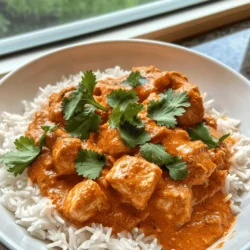
Chicken Tikka Masala is a dish that has captured the hearts and palates of food lovers around the globe. Celebrated for its rich flavors and creamy texture, this iconic dish is a staple in Indian cuisine and has become a favorite in restaurants and homes worldwide. The combination of juicy chicken pieces marinated in a spiced yogurt mixture and then simmered in a fragrant tomato-based sauce makes Chicken Tikka Masala not just a meal, but a comforting culinary experience. Its appeal lies in its versatility, making it suitable for both novice home cooks and seasoned food enthusiasts alike, eager to explore the depths of Indian flavors.
Understanding Chicken Tikka Masala
Historical Background
The origins of Chicken Tikka Masala are as rich and complex as its flavor profile. While it is often associated with Indian cuisine, its history is intertwined with British culinary culture. It is widely believed that Chicken Tikka Masala was created in the United Kingdom, where Indian chefs adapted traditional dishes to suit local tastes. The story goes that a chef in Glasgow, Scotland, invented the dish by combining leftover chicken tikka with a spiced tomato sauce upon request from a customer who wanted something saucy with their rice. This fusion led to the birth of Chicken Tikka Masala as we know it today.
Over the years, the dish has evolved, gaining widespread acclaim and even being dubbed “Britain’s national dish” by various food critics. It symbolizes the melting pot of cultures and flavors that define British cuisine, showcasing how food can transcend borders and bring people together. As a result, Chicken Tikka Masala is now a staple on menus not only in Indian restaurants but also in many establishments across the globe, including those that serve fusion cuisine.
Popularity in Global Cuisine
The popularity of Chicken Tikka Masala has skyrocketed, making it a beloved dish in many countries beyond India and the UK. Its creamy, spiced sauce and tender chicken appeal to a wide audience, allowing it to be embraced by various culinary traditions. In the United States, for instance, Chicken Tikka Masala has found a permanent spot in the hearts of many food lovers, often served with naan or basmati rice. In Canada, it is similarly adored, becoming a go-to option for dining at Indian restaurants.
The dish’s versatility also means it can be modified to suit various dietary preferences, including vegetarian and vegan adaptations. This adaptability has further cemented its status as a global favorite, ensuring that Chicken Tikka Masala remains a cherished recipe for generations to come.
Ingredients Breakdown
Marinade Ingredients
To create the perfect Chicken Tikka Masala, the first step involves marinating the chicken. The marinade is crucial as it infuses the chicken with flavor and helps achieve that tender, juicy texture. Here’s a breakdown of the essential marinade ingredients:
– Yogurt: The base of the marinade, yogurt not only adds creaminess but also acts as a tenderizer. The lactic acid in yogurt breaks down the proteins in the chicken, resulting in a moist and succulent dish.
– Spices: A blend of spices such as cumin, coriander, garam masala, turmeric, and cayenne pepper gives the marinade its characteristic flavor. Each spice contributes a unique note, enhancing the overall taste of the dish. Garam masala, for example, adds warmth and depth, while cayenne pepper provides a gentle heat.
– Chicken: Using boneless, skinless chicken thighs is recommended for optimal flavor and tenderness. However, chicken breasts can also be used for a leaner option. The key is to ensure the chicken is cut into even pieces to allow for uniform cooking.
Marinating the chicken is essential for flavor development. Ideally, you should allow the chicken to marinate for a minimum of 30 minutes, although overnight marination is highly recommended for maximum flavor infusion. This process allows the spices to penetrate deeply into the meat, transforming simple chicken into a flavorful delight.
Masala Sauce Ingredients
Once the chicken has been marinated and is ready for cooking, it’s time to prepare the masala sauce. The sauce is the heart of Chicken Tikka Masala, bringing together a symphony of flavors and textures. Here are the key ingredients used in the sauce:
– Onions: Finely chopped onions are sautéed until golden brown, forming the aromatic base of the sauce. They provide sweetness and depth, balancing the tanginess of the tomatoes.
– Tomatoes: Fresh or canned tomatoes are essential for creating a rich, flavorful sauce. They add acidity and body, and when simmered, they meld beautifully with the spices to create a harmonious flavor profile.
– Cream: The addition of cream gives the sauce its signature richness and velvety texture. It also helps to mellow the spices, making the dish more approachable for those who may be sensitive to heat.
– Spices: Similar to the marinade, the sauce requires a careful selection of spices to achieve the desired flavor. Common spices include garam masala, cumin, and chili powder. Optional ingredients like sugar can be added to balance the acidity of the tomatoes, while green chilies provide an extra kick of heat.
The combination of these ingredients works together to create a sauce that is both comforting and complex. The depth of flavor achieved through careful cooking and ingredient selection is what sets Chicken Tikka Masala apart from other dishes.
Step-by-Step Instructions
Marinating the Chicken
To start the journey of creating Chicken Tikka Masala, the first step is marinating the chicken. Follow these detailed instructions for optimal results:
1. Prepare the Marinade: In a large mixing bowl, combine plain yogurt, minced garlic, ginger paste, and the spice blend. Whisk together until well combined.
2. Add the Chicken: Cut the chicken thighs into bite-sized pieces and add them to the marinade. Ensure each piece is well coated, as this will enhance the flavor.
3. Marination Time: Cover the bowl with plastic wrap or a lid and refrigerate. For the best flavor, allow the chicken to marinate for at least 1 hour, but overnight marination is ideal. The longer the chicken sits in the marinade, the more flavorful it will become.
4. Time Management: If you’re pressed for time, even a 30-minute marination can yield good results, but keep in mind that longer marination is key to achieving the best flavor and tenderness.
Cooking the Chicken
Once the chicken has marinated, it’s time to cook it. You have two primary options for cooking the chicken: grilling or baking. Both methods have their advantages.
– Grilling: Preheat your grill to medium-high heat. Thread the marinated chicken onto skewers (if using wooden skewers, soak them in water for 30 minutes beforehand) and place them on the grill. Cook for about 10-12 minutes, turning occasionally, until the chicken is cooked through and has nice char marks. The grilled chicken will have a smoky flavor that enhances the dish.
– Baking: Preheat your oven to 400°F (200°C). Arrange the marinated chicken pieces on a baking sheet lined with parchment paper. Bake for 15-20 minutes or until the chicken is fully cooked and no longer pink in the center. Baking is a great alternative if you prefer a more hands-off approach.
Visual Cues: Regardless of the cooking method, ensure the chicken reaches an internal temperature of 165°F (75°C) for safety. The chicken should be golden brown and charred in spots, indicating it is ready to be combined with the masala sauce.
Preparing the Masala Sauce
With the chicken cooked to perfection, the next step is to prepare the masala sauce. Follow these instructions to create a delicious sauce that will elevate your Chicken Tikka Masala:
1. Sauté the Onions: In a large skillet or saucepan, heat oil or ghee over medium heat. Add finely chopped onions and sauté until they turn golden brown, stirring occasionally to prevent burning. This process may take around 10-12 minutes.
2. Add Garlic and Ginger: Once the onions are browned, add minced garlic and ginger paste. Sauté for an additional 2-3 minutes until fragrant.
3. Incorporate Tomatoes: Add chopped tomatoes (fresh or canned) to the onion mixture. Stir well and cook for about 5-7 minutes until the tomatoes break down and become saucy.
4. Spice It Up: Add the spice blend, including garam masala, cumin, and chili powder. Stir to coat the mixture and let it cook for another 2-3 minutes. This ensures that the spices bloom and release their essential oils, enhancing the flavor of the sauce.
5. Simmer and Add Cream: Reduce the heat to low and pour in the cream, stirring to combine. Allow the sauce to simmer for 5-10 minutes to thicken and develop flavors. Taste and adjust seasoning as needed, adding sugar if desired to balance the acidity.
Now that you have the chicken cooked and the masala sauce prepared, you are well on your way to creating a delightful Chicken Tikka Masala that will impress family and friends alike. The next steps will involve combining the chicken with the sauce and finishing touches that will truly make this dish shine. Stay tuned for the concluding part of this delicious recipe journey!
Detailed Steps for Achieving the Perfect Onion Base
The foundation of a great Chicken Tikka Masala begins with the onion base. Start by finely chopping 2 large onions. The texture of the onions is crucial; you want them to break down and caramelize beautifully. Heat 2-3 tablespoons of vegetable oil in a heavy-bottomed pan over medium heat. Add the chopped onions and a pinch of salt, which helps them to sweat and release moisture.
Stir the onions occasionally, allowing them to cook for about 15-20 minutes until they are golden brown and caramelized. This slow cooking process enhances the sweetness of the onions, creating depth of flavor for your dish. If the onions start to stick to the pan, add a splash of water to deglaze and lift the flavorful bits off the bottom. Once you achieve a rich, golden color, it’s time to introduce the spices.
Importance of Spices and How to Layer Them for Maximum Aroma
Spices are the heart of Chicken Tikka Masala, and layering them correctly maximizes their aromatic potential. Begin by adding your ground spices once the onions are caramelized. Common spices used include:
– 1 tablespoon of garam masala
– 1 teaspoon of turmeric
– 1 teaspoon of cumin
– 1 teaspoon of coriander
– 1 teaspoon of chili powder (adjust to taste)
Add the spices to the onion mixture and stir continuously for about 1-2 minutes until they become fragrant. This technique, known as “blooming,” releases the essential oils from the spices, enhancing their flavor and aroma. Once the spices are well combined with the onions, it’s time to add the tomatoes.
Creating the Creamy Sauce
The creamy sauce is what gives Chicken Tikka Masala its signature richness. Begin by adding 1 can (400g) of crushed tomatoes to the spiced onion base. Cook this mixture for about 10 minutes, allowing the tomatoes to break down and meld with the spices.
To create the creamy texture, stir in 1 cup of heavy cream. This is where you can balance the flavors; if the sauce is too tangy, consider adding a teaspoon of sugar to mellow it out. Taste the sauce as you go, adjusting salt and sugar levels to your preference.
Tips on Simmering for the Best Texture
For the best texture, allow the sauce to simmer gently for an additional 10-15 minutes on low heat. This slow simmering not only thickens the sauce but also deepens the flavors. Stir occasionally to prevent the sauce from sticking to the bottom of the pan. If you find the sauce too thick, a splash of water or stock can be added to reach your desired consistency.
Combining Chicken and Sauce
Once your sauce is perfectly balanced, it’s time to combine the marinated chicken. Use 1.5 pounds of boneless, skinless chicken thighs or breasts, which should have been marinated in a mixture of yogurt, lemon juice, and spices prior to cooking. This marinade not only tenderizes the chicken but infuses it with flavor.
Add the chicken to the sauce, ensuring each piece is well-coated. Allow the chicken to cook in the sauce for about 15-20 minutes on low heat until it’s cooked through. This final simmering process allows the chicken to absorb the spices and the creamy sauce, resulting in a harmonious blend of flavors.
Serving Suggestions
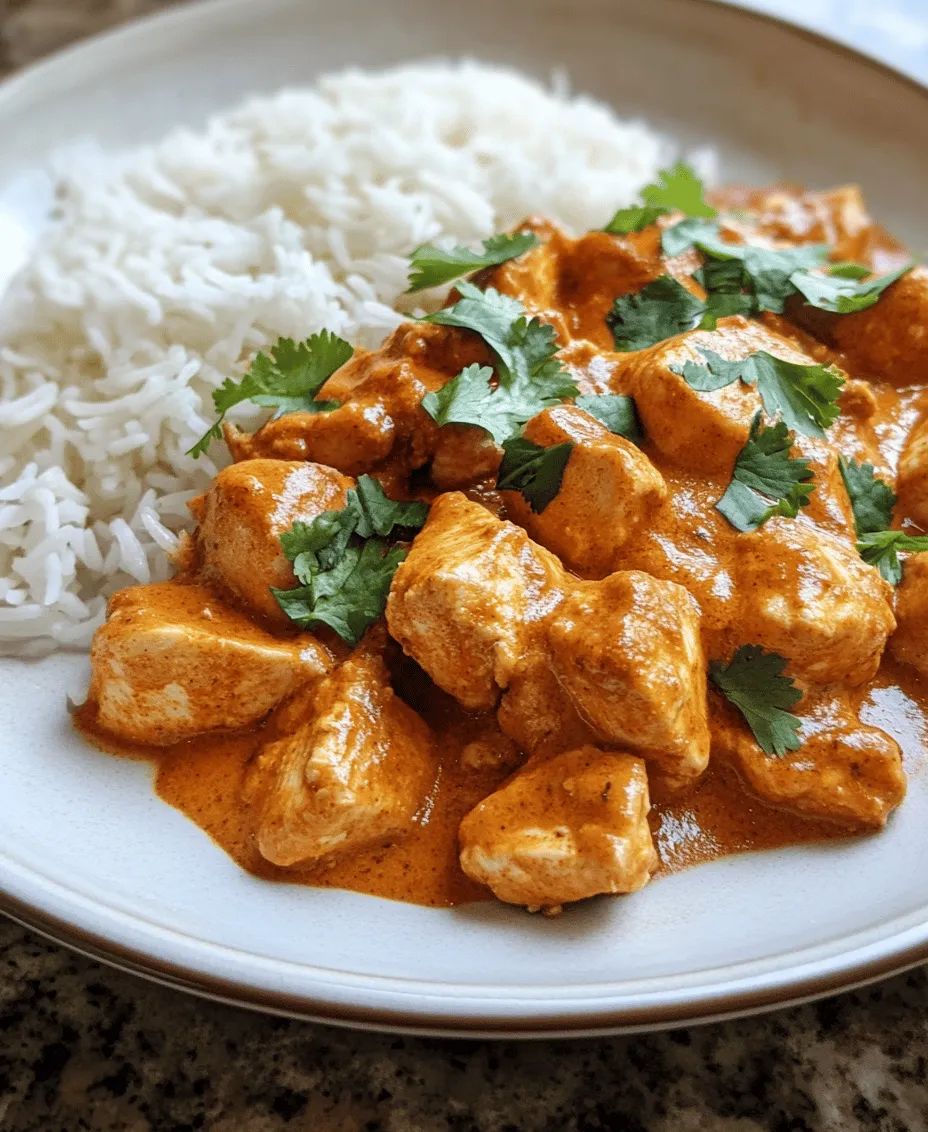
Chicken Tikka Masala is best served with fragrant basmati rice or warm naan. The rice acts as a perfect canvas to soak up the rich sauce, while naan can be used to scoop up the delicious chicken.
For a creative presentation, consider garnishing your dish with fresh cilantro or a drizzle of additional cream for added elegance. A side of cucumber raita can also be a refreshing complement to the dish, balancing the heat and richness.
If you’re looking to adapt the dish for various dietary preferences, consider substituting the chicken with paneer, tofu, or chickpeas for a vegetarian alternative. The same marinade and sauce will work beautifully, providing a satisfying meal for all.
Nutritional Information
Chicken Tikka Masala is a flavorful dish that can fit into a balanced diet. A typical serving contains approximately 400-500 calories, depending on the amount of cream used and the portion size. It provides a good source of protein from the chicken, while the spices offer various health benefits, including anti-inflammatory properties.
For a healthier version, consider using low-fat yogurt instead of cream or reducing the cream quantity altogether. Lean chicken cuts can also be used to lower fat content without sacrificing flavor. Incorporating additional vegetables, such as bell peppers or spinach, can boost the nutritional profile and fiber content of the meal.
Cultural Significance
Chicken Tikka Masala holds a special place in Indian cuisine and has become a staple in many Indian restaurants worldwide. It symbolizes the rich cultural heritage of India, showcasing the art of blending spices and flavors.
This dish has transcended geographical boundaries, often being referred to as the “national dish of Britain” due to its popularity in the UK. Its adaptation into various cuisines illustrates its versatility and the global love for bold flavors and comforting meals.
Conclusion
Chicken Tikka Masala is more than just a dish; it’s an experience that brings warmth and joy to the dining table. With its rich flavors and creamy texture, it remains a comforting choice for many. The process of cooking this dish offers not only the satisfaction of creating something delicious but also the joy of sharing it with family and friends.
As you embark on this culinary journey, remember to explore variations that suit your taste, whether through spice adjustments or ingredient substitutions. Enjoy the art of cooking and the pleasure of enjoying a meal that has captured hearts around the world. Try this Chicken Tikka Masala recipe today and discover the magic of Indian cuisine in your own kitchen!