

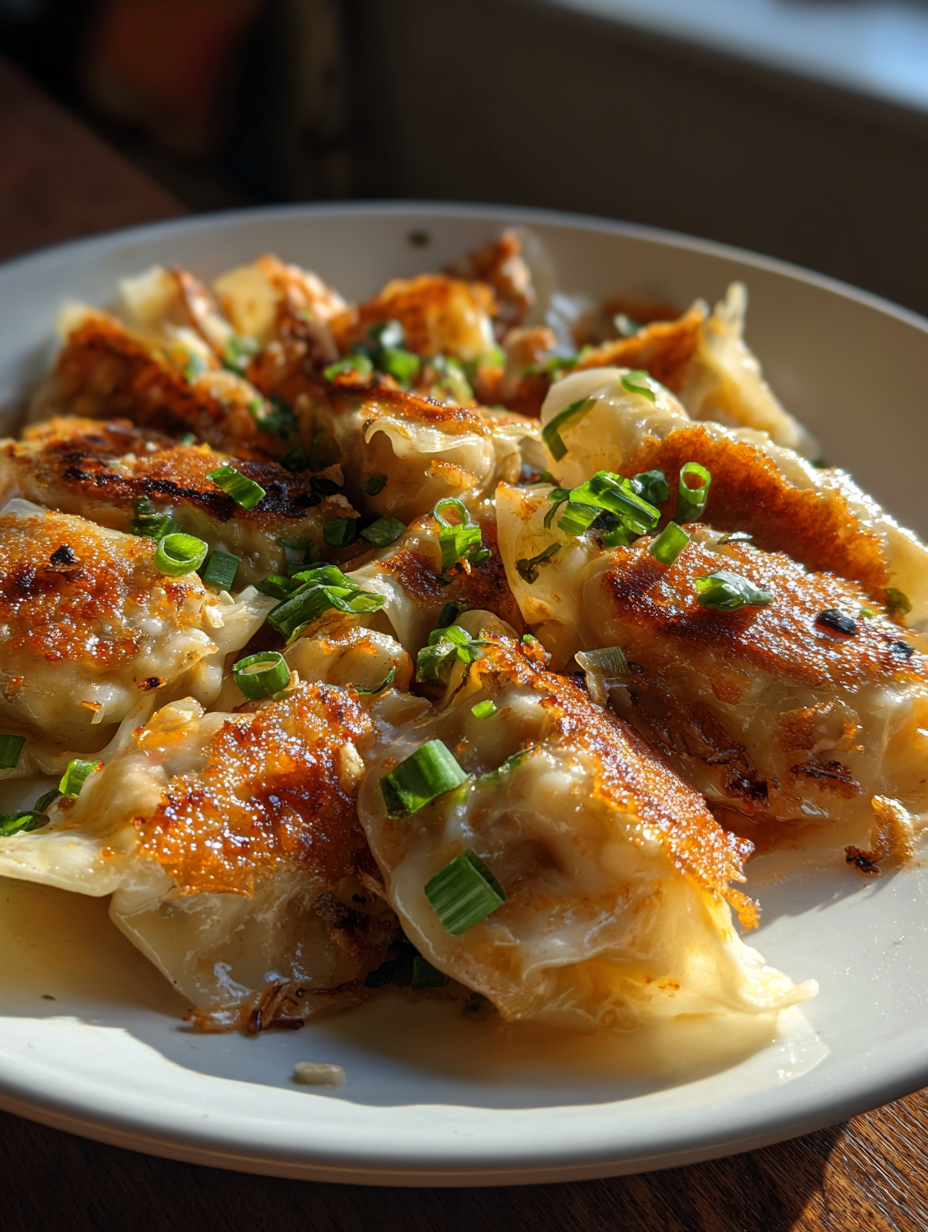
Elevate Your Dinner with Crunchy, Flavor-Packed Gyoza
—
Introduction
Imagine the first time you took a bite of a gyoza, the crispy exterior giving way to a warm, savory filling. I can still recall that moment vividly, one rainy evening at a cozy little Japanese restaurant tucked away in my neighborhood. The air was thick with the scent of garlic and ginger, the sound of sizzling pans harmonizing with the gentle rain tapping against the window. As I savored each bite, the crunch of the gyoza echoed delightfully, perfectly complemented by the juicy pork and the sweetness of the cabbage nestled inside.
It was a simple dish, yet it transported me to a world of comfort and warmth, sparking a love affair with Asian cuisine that continues to this day. When I discovered the Smashed Gyoza trend on TikTok, it felt like a beautiful reunion with that memory. The idea of not just frying these delightful dumplings but smashing them to create an extra layer of crispy texture was simply irresistible. You can almost hear the satisfying crackle as you press down on the gyoza, the sound making your mouth water in anticipation.
This recipe has quickly become a staple in my kitchen, not just for its deliciousness but for the joy it brings to sharing a meal with loved ones. Whether it’s a weeknight dinner or a cozy gathering with friends, these smashed gyoza deliver a burst of flavor and a satisfying crunch, inviting everyone to come together over something truly special. Get ready to create your own gyoza magic in the comfort of your home!
—
Why This Recipe Works
The beauty of Smashed Gyoza lies in its perfect blend of textures and flavors. At the heart of this dish is the contrast between the crispy bottom and the tender filling. The technique of frying the gyoza first creates a beautifully golden crust, while steaming them with chicken broth enhances the moisture within, allowing the flavors to meld beautifully.
Each ingredient plays a crucial role. The ground pork or chicken provides a savory, rich base, while the finely chopped cabbage adds a delightful crunch and a touch of sweetness. Soy sauce and sesame oil work together to infuse the filling with umami, while the fresh ginger and garlic introduce aromatic notes that linger on the palate. This balance of flavors ensures that each bite is a journey, layered with complexity and richness.
What sets this version apart from more generic gyoza recipes is the smashing technique. By pressing down on the gyoza after steaming, you create that irresistible crispiness that elevates the dish to new heights. This unique approach not only enhances the texture but also allows the gyoza to soak up the broth, making every mouthful a flavor explosion. With just a few simple ingredients and a bit of technique, you can create a dish that rivals your favorite restaurant gyoza, all from the comfort of your home.
—
What Makes It Special
1. Crispy Delight: Unlike regular boiled or pan-fried gyoza, these smashed versions boast a uniquely crispy base that adds an exciting crunch to each bite. This technique ensures you get varied textures that keep you coming back for more.
2. Homemade Freshness: Making gyoza from scratch allows you to customize the filling to your liking. You can easily experiment with different proteins, like shrimp or tofu, while controlling the seasoning and ensuring everything is fresh and flavorful.
3. Cost-Effective: Dining out can quickly add up, especially for a dish like gyoza, which can be pricey in restaurants. By making them at home, you not only save money but also have the opportunity to make a larger batch, perfect for sharing.
4. Elevated Presentation: The visual appeal of smashed gyoza is undeniable. With their golden, crispy edges and the inviting aroma wafting from the skillet, they make for a stunning centerpiece on any dinner table, perfect for impressing guests or enjoying a cozy meal at home.
—
Ingredient Breakdown
– Gyoza Wrappers: The foundation of your dish, these thin rounds are essential for encasing the filling. You can find them in the refrigerated section of most grocery stores or Asian markets. If you’re looking for a gluten-free option, consider using rice paper or homemade gluten-free wrappers.
– Ground Pork (or Ground Chicken): This savory ingredient provides the bulk of the filling. Ground pork is juicy and flavorful, but if you prefer a leaner option, ground chicken works beautifully too. For a vegetarian alternative, try using crumbled tofu or mushrooms to mimic the texture.
– Cabbage: Finely chopped cabbage not only adds crunch but also helps bind the filling together. You can substitute with other greens like bok choy or napa cabbage for a different flavor profile.
– Soy Sauce: This salty, umami-packed sauce enhances the flavors of the filling. For a gluten-free version, opt for tamari.
– Sesame Oil: A small amount goes a long way in adding a nutty, aromatic depth to the filling. Toasted sesame oil will give even more flavor, but regular sesame oil is perfectly fine too.
– Ginger: Freshly grated ginger contributes a zesty warmth that brightens the filling. If fresh ginger isn’t available, you can use ground ginger, but fresh is always preferable for its vibrant flavor.
– Garlic: Minced garlic adds a robust aroma and flavor to the filling. The combination of ginger and garlic is a classic in many Asian dishes, and it’s critical for creating that authentic taste.
– Chicken Broth: Used for steaming the gyoza, chicken broth keeps them moist and infuses them with flavor. If you’re aiming for a vegetarian dish, vegetable broth is a great substitute.
– Vegetable Oil: Essential for frying the gyoza to golden perfection. You can use any neutral oil, such as canola or grapeseed oil.
– Salt and Pepper: These basic seasonings enhance the overall taste of the filling. Adjust to your liking, keeping in mind that the soy sauce will also contribute saltiness.
Substitutions and specialty ingredients are easily accessible, making this dish adaptable no matter your dietary preferences. Whether you’re craving a comforting homemade meal or looking to impress friends at your next gathering, these gyoza are sure to be a hit!
—
Equipment Needed
– Mixing Bowl: Essential for combining your filling ingredients. A large bowl makes it easier to thoroughly mix everything together.
– Skillet: A non-stick skillet works best for frying the gyoza without them sticking. A cast-iron skillet can also be used for an even crispier finish.
– Lid: You’ll need a lid to cover the skillet while the gyoza steam. If you don’t have a lid, a large plate can work in a pinch.
– Spatula: A flat spatula is ideal for gently smashing the gyoza without tearing them. Make sure it’s sturdy enough to handle the weight of the gyoza.
– Measuring Spoons: For precise measurements of your ingredients, especially the soy sauce and sesame oil.
– Baking Sheet: This is optional, but it can be handy for placing the assembled gyoza while you cook them in batches.
– Pastry Brush: If you prefer to moisten the edges of your gyoza with a brush instead of your fingers, this tool can be helpful.
Feel free to use alternatives where necessary; for instance, if you don’t have a large skillet, you can use two smaller ones. The most important thing is to ensure you have the tools to create your own delicious gyoza experience at home!
Step-by-Step Instructions
1. Prepare the Filling:
In a large mixing bowl, combine 1 cup of ground pork (or ground chicken), 1 cup of finely chopped cabbage, 1 tablespoon of soy sauce, 1 tablespoon of sesame oil, 1/2 teaspoon of grated ginger, and 3 cloves of minced garlic. Using your hands or a spoon, mix thoroughly until all ingredients are well incorporated. You want the mixture to be cohesive but not overly compact. Chef’s Note: The key here is to ensure the flavors meld together; the garlic and ginger should be evenly distributed throughout the filling.
2. Assemble the Gyoza:
Take a gyoza wrapper and place it in the palm of your hand. Spoon about 1 tablespoon of the filling mixture into the center of the wrapper. Moisten the edges with a little water to help seal it. Next, fold gently in half and pinch the edges to ensure a tight seal, creating a crescent shape. Repeat this process with the remaining wrappers and filling. What to look for: The gyoza should feel firm when sealed, and there should be no gaps where the filling can escape during cooking.
3. Heat the Oil:
In a large skillet, pour in 2 tablespoons of vegetable oil and heat it over medium-high heat. Allow the oil to get hot enough that it shimmers, which should take about 2 minutes. To test if the oil is ready, drop in a small piece of gyoza; it should sizzle immediately. Chef’s Note: Using too low of a temperature will cause the gyoza to stick and not crisp up properly, while too high will burn the bottoms before they cook through.
4. Cook the Gyoza:
Once the oil is hot, arrange your gyoza in a single layer in the skillet, making sure they do not touch each other. Cook them for 3-4 minutes or until the bottoms turn a beautiful golden brown. You can gently shake the pan to make sure they’re not sticking. What to look for: The gyoza should be crisp and golden underneath—this adds that delightful crunch that makes this dish so enjoyable.
5. Steam the Gyoza:
Carefully pour 1 cup of low-sodium chicken broth into the skillet. Cover with a lid immediately to trap the steam inside. Reduce the heat to medium and let the gyoza steam for an additional 5-7 minutes, or until the broth has mostly evaporated. Chef’s Note: This steaming process helps cook the filling through while keeping the wrappers tender. Listen for the bubbling sound of the broth; when it quiets, it’s nearly done.
6. Create the Crispy Base:
Once the liquid has evaporated, remove the lid and let the gyoza cook for another 2-3 minutes. Using a spatula, gently smash each gyoza down to create a crispy base. You’re looking for a deep golden color on the bottom, indicating that they are wonderfully crisp. What to look for: The sound should shift from a gentle simmer to a satisfying crunch as the gyoza cook longer without the moisture.
7. Serve and Garnish:
Once all gyoza are crispy, transfer them to a serving plate. Garnish with chopped green onions and, if desired, a drizzle of extra soy sauce. Serve them hot for the best texture and flavor. Chef’s Note: Adding a sprinkle of sesame seeds or some chili oil can elevate the dish even further.
Pro Tips for the Best Results
1. Use Fresh Wrappers: Always opt for fresh gyoza wrappers rather than dried ones, as they hold together better and offer superior texture. If you can find homemade or freshly made wrappers, grab them for a more authentic taste.
2. Season the Filling Well: Don’t shy away from seasoning your filling; a little extra soy sauce or even a pinch of salt can drastically enhance the flavors. Taste the filling before sealing the gyoza to ensure it’s well-balanced.
3. Avoid Overcrowding the Skillet: Cooking too many gyoza at once can cause them to steam rather than fry. This means you won’t achieve that perfect crispy texture you’re after. Stick to a single layer and cook in batches if necessary.
4. Preheat the Skillet: Always preheat your skillet before frying the gyoza. A hot pan ensures a quick sear, locking in flavors and creating a crispy base without sogginess.
5. Experiment with Fillings: Feel free to get creative with your fillings! Adding mushrooms, scallions, or even a bit of chili paste can bring a whole new level of flavor to your gyoza.
6. Monitor the Heat: Adjust the heat as needed while cooking. If the gyoza are browning too quickly, lower the heat slightly to ensure the insides cook through without burning the exterior.
7. Perfect the Smash: When smashing the gyoza, use a flat spatula and apply even pressure. This ensures that the bottom crisps up uniformly and creates a lovely texture contrast.
8. Serve with Dipping Sauce: Elevate your gyoza experience by serving them with a dipping sauce made from soy sauce, rice vinegar, and a splash of sesame oil. This adds an extra layer of flavor and enhances the overall dish.
Common Mistakes to Avoid
1. Improper Sealing: Not sealing the gyoza properly will cause the filling to leak out during cooking. Ensure that you moisten the edges and pinch tightly to create a secure seal.
2. Using Cold Ingredients: Starting with cold meat or vegetables can lead to uneven cooking. Make sure your filling ingredients are room temperature before mixing and assembling.
3. Skipping the Steam Step: If you don’t steam the gyoza after frying, you risk having a raw center while the outside is crispy. Always pour in broth and cover to ensure thorough cooking.
4. Cooking at Too High a Temperature: If the heat is too high, the bottoms will burn before the filling cooks through. Always start at medium-high for frying, and adjust as necessary once you add the broth.
5. Not Tasting the Filling: Failing to taste the filling before assembling can lead to bland gyoza. Always sample a bit of the mixture and adjust the seasoning as needed.
6. Overcrowding the Skillet: Packing too many gyoza in the skillet can lead to steaming rather than frying. Cook in batches for the best results.
7. Ignoring Cooking Times: Each step has a specific cooking time that affects the outcome. Keep an eye on your gyoza; overcooking can lead to dried out or burnt dumplings.
Creative Variations
1. Seasonal Variation: Pumpkin and Sage Gyoza – Incorporate roasted pumpkin and fresh sage into your filling for a delightful autumn twist. Add a sprinkle of nutmeg for an extra layer of flavor.
2. Dietary-Friendly Version: Vegan Gyoza – Substitute ground pork with a mixture of finely chopped mushrooms, tofu, and grated carrots. Use soy sauce and sesame oil to flavor, ensuring everything melds together beautifully.
3. Gourmet Elevated Version: Truffle Mushroom Gyoza – Use a combination of shiitake and oyster mushrooms with a drizzle of truffle oil in your filling. This adds an earthy richness that elevates the dish to restaurant-quality.
4. Quick 15-Minute Version: Store-Bought Filling Gyoza – For a speedy dinner, buy pre-made filling from an Asian grocery store, or use leftover cooked meat and vegetables. Assemble and cook as instructed for a fast meal.
5. Kid-Friendly Version: Cheesy Gyoza – Swap out the traditional filling for a mixture of ground chicken and shredded mozzarella. Kids will love the melty cheese inside, and you can serve with a mild dipping sauce.
6. International Twist: Italian-Inspired Gyoza – Use Italian sausage, ricotta cheese, and spinach for a filling that’s reminiscent of stuffed shells. Serve with a side of marinara sauce for dipping, creating a fun fusion dish.
Serving Ideas
When it comes to serving your Smashed Gyoza, presentation can elevate the entire dining experience. Here are a few beautiful ways to plate and serve this trendy dish:
1. Elegant Platter: Arrange the gyoza in a circular pattern on a large, colorful serving platter. Sprinkle sesame seeds and thinly sliced green onions over the top for a burst of color. Serve with small bowls of soy sauce, chili oil, or mirin on the side.
2. Individual Bowls: Serve each gyoza in individual ceramic bowls, nestled on a bed of shredded cabbage or daikon radish. This not only adds a fresh crunch but also a beautiful contrast of colors. Drizzle a bit of spicy mayo or sriracha on top for an extra kick.
3. Stacked Presentation: For a fun twist, stack your gyoza vertically on a skewer or toothpick, creating a delicious tower. This not only looks impressive but makes for easy serving. Garnish with a sprig of cilantro or basil for an aromatic touch.
4. Crispy Garnish: Consider frying some extra gyoza wrappers until crispy and crumbling them over your gyoza for added texture. This enhances the crunch factor and adds visual appeal.
5. Dipping Trio: Create a dipping station by serving your smashed gyoza with three distinct dipping sauces: a classic soy sauce with a splash of vinegar, a sweet chili sauce, and a tangy sesame sauce. This approach invites guests to customize their flavors and makes for an engaging dining experience.
What to Serve With
Pairing your Smashed Gyoza with complementary dishes can elevate the entire meal. Here are some fantastic options:
1. Miso Soup: This light and savory soup provides a warm contrast to the crispy gyoza. The umami flavor of the miso complements the savory filling perfectly.
2. Japanese Pickles (Tsukemono): The tangy, crunchy pickles offer a refreshing palate cleanser. Their acidity balances the richness of the gyoza, making each bite feel new and exciting.
3. Steamed Edamame: These lightly salted soybeans are simple yet satisfying. They add a textural difference and a protein boost, making your meal more filling.
4. Green Tea: A warm cup of Japanese green tea, like matcha or sencha, offers a soothing contrast to the crispy gyoza. The slight bitterness of the tea balances the savory flavors beautifully.
5. Fruit Sorbet: For dessert, serve a light fruit sorbet, such as mango or yuzu. Its sweetness and coolness provide a refreshing end to the meal, contrasting the gyoza’s savory depth.
6. Asian Slaw: A crunchy slaw made with cabbage, carrots, and a sesame-ginger dressing adds brightness and freshness, enhancing the overall flavor profile of your dinner.
Storage Guide
To keep your leftover Smashed Gyoza fresh and delicious, proper storage is crucial. Here’s how to do it:
– Container: Use an airtight container made of glass or BPA-free plastic to keep the gyoza from drying out or absorbing odors from the fridge.
– Temperature: Store your gyoza in the refrigerator at or below 40°F. This will help maintain their taste and texture.
– Shelf Life: Your gyoza will keep well in the fridge for up to 3 days. After that, they may start to lose their crispness and flavor.
– Signs of Spoilage: If you notice off smells, discoloration, or a slimy texture, it’s best to discard them.
– Refreshing Before Serving: To revive your gyoza, reheat them in a skillet over medium heat with a splash of water. Cover with a lid to steam for a few minutes, then let them crisp up again for a delightful texture.
Freezing Tips
If you want to prepare your Smashed Gyoza ahead of time, freezing them is a great option:
– Freezing Suitability: This recipe freezes exceptionally well, allowing you to enjoy gyoza anytime.
– Instructions: Arrange uncooked gyoza in a single layer on a baking sheet lined with parchment paper. Once frozen solid, transfer them to a freezer-safe bag or container. Be sure to label it with the date.
– Shelf Life: Frozen gyoza can last up to 3 months in the freezer while maintaining their quality.
– Quality Changes: While they will still taste delicious after thawing, the texture may be slightly less crispy than freshly made.
– Thawing Method: The best way to thaw your gyoza is to move them from the freezer to the refrigerator the night before you plan to cook them. If you’re short on time, you can also cook them from frozen, adding an extra few minutes to the steaming time.
Reheating Guide
To enjoy your leftover Smashed Gyoza as if they were freshly made, here are some specific reheating methods:
– Microwave: Place the gyoza on a microwave-safe plate, cover with a damp paper towel, and heat on medium power for about 1-2 minutes. This method keeps them moist, preventing the wrappers from drying out.
– Oven: Preheat your oven to 375°F. Arrange the gyoza on a baking sheet and cover them with foil to retain moisture. Heat for about 10-15 minutes, removing the foil in the last few minutes to allow them to crisp up.
– Stovetop: Heat a skillet over medium heat, adding a tablespoon of water or broth to create steam. Place the gyoza in the skillet, cover, and steam for about 5-7 minutes. Remove the cover and let them cook for an additional 2-3 minutes to restore their crispiness.
– Restoring Texture: Regardless of the method, adding a few drops of soy sauce or a sprinkle of sesame oil while reheating can help bring back that delightful flavor profile.
Nutrition Overview
Each serving of Smashed Gyoza packs a nutritious punch. Here’s a breakdown of the approximate nutritional values per serving:
– Calories: 300
– Protein: 15g
– Carbohydrates: 30g
– Fat: 12g
– Fiber: 2g
– Sugar: 1g
Health Benefits:
– Cabbage: Rich in vitamins C and K, cabbage not only adds crunch but also boosts your immune system and supports bone health.
– Garlic: Known for its immune-boosting properties, garlic also helps regulate blood pressure and has anti-inflammatory effects.
Using lean ground pork or chicken provides a healthy source of protein, perfect for a balanced meal that fills you up without weighing you down.
Frequently Asked Questions
Q: Can I use a different protein besides pork?
A: Absolutely! Ground chicken, turkey, or even tofu are excellent substitutes. If you choose tofu, opt for firm tofu, and crumble it to achieve a similar texture.
Q: How do I make these gyoza vegetarian?
A: You can easily create a vegetarian version by substituting the meat with finely chopped mushrooms, carrots, and bell peppers. Season them similarly to maintain flavor.
Q: Can I prepare the filling in advance?
A: Yes, you can make the filling a day ahead and store it in an airtight container in the fridge. This saves time and allows the flavors to meld beautifully.
Q: How do I know when the gyoza are done cooking?
A: The gyoza are done when the bottoms are golden brown, and the wrapper is translucent. If the liquid has evaporated and they’re firm to the touch, they’re ready to enjoy!
Q: What cooking equipment do I need?
A: You’ll need a large skillet, a mixing bowl for the filling, and a spatula for flipping. A lid for the skillet is also essential for steaming.
Q: How can I make the gyoza ahead of time for a party?
A: You can assemble the gyoza and refrigerate them for up to 3 hours before cooking. Alternatively, you can freeze them ahead of time and cook directly from frozen.
Q: What should I serve with gyoza?
A: Pair your gyoza with sides like miso soup, edamame, or a refreshing slaw for a well-rounded meal. Green tea also complements the flavors beautifully.
Q: How do I store leftovers?
A: Place leftover gyoza in an airtight container in the refrigerator at or below 40°F. They’ll keep for about 3 days, but be sure to check for off smells or textures before eating.
Final Thoughts
Making Smashed Gyoza is not just about enjoying a meal; it’s about creating a delightful dining experience that you can share with loved ones. Remember to season your filling well to maximize flavor, and have fun with the presentation! I genuinely hope you enjoy preparing this dish as much as I do. If you try out this recipe, I’d love to