

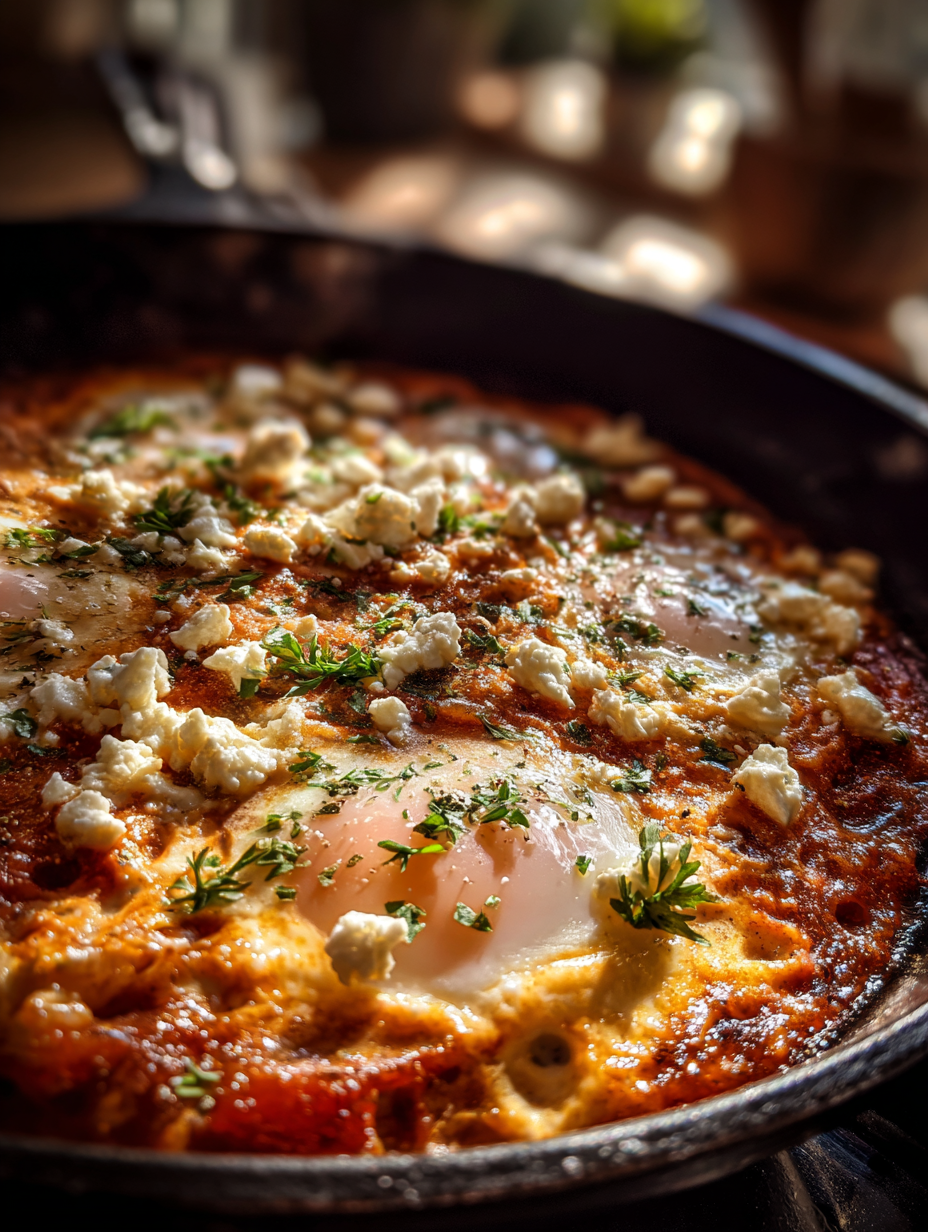
A Colorful Start to Your Day: How Shakshuka with Feta Elevates Breakfast with Bold Flavors and Comforting Textures
Introduction
Imagine waking up to the aroma of sizzling onions and garlic wafting through your kitchen, mingling with the rich scent of ripe tomatoes. This was my reality one sunny Saturday morning, the kind of day that called for something special to kick off the weekend. As I approached the stove, the vibrant colors of red bell peppers and the golden yolks of poached eggs danced in my mind, reminding me of my first encounter with shakshuka during a trip to a cozy café in Tel Aviv. Each bite was a burst of warmth and heartiness, a dish that sings of home and communal meals.
The sizzle of the garlic hitting the hot oil, the crimson glow of the tomatoes bubbling away, and the creamy crumble of feta atop the eggs created an orchestra of sensations that lingered long after the plate was empty. That day, I learned that a simple mix of ingredients could transform an ordinary breakfast into an extraordinary experience. Fast forward to today, I often find myself recreating this dish in my own kitchen, reveling in how it brings family and friends together. It’s a hearty meal that’s just as delightful for brunch as it is for a cozy dinner, and it’s effortless to whip up.
Are you ready to embark on your own shakshuka journey? Let’s dive into this comforting, flavorful recipe that will leave your taste buds singing and your kitchen filled with irresistible scents.
Why This Recipe Works
At the heart of this shakshuka with feta is the magic that happens when simple ingredients come together in harmony. The combination of spices—smoky paprika and earthy cumin—infuses the sauce with depth, while the sweetness of the sautéed onions and bell peppers balances the acidity of the tomatoes. Each element plays a crucial role: the crushed tomatoes provide a luscious base, while the bell pepper adds a subtle crunch and sweetness.
The technique of simmering the sauce allows the flavors to meld beautifully, creating a thick, rich mixture that clings to the eggs, ensuring each bite is a perfect blend of textures. When you crack the eggs into the sauce, you create small wells that cradle them as they cook. The whites set perfectly while the yolks remain delightfully runny, ready to be swirled into that vibrant sauce.
What sets this version apart from generic interpretations is the addition of crumbled feta, which adds a creamy tang that elevates the dish, offering a delightful contrast to the warm spices and rich tomato sauce. This isn’t just breakfast; it’s a celebration of flavor and comfort, one that you’ll want to share with those you love.
What Makes It Special
This shakshuka recipe isn’t just another morning meal; it packs a punch of personality and flair that makes it truly special. Here are a few unique qualities that elevate it:
– Restaurant Quality at Home: While many cafés serve delicious shakshuka, making it at home means you control the freshness of the ingredients. You avoid the added costs and can customize it to your liking, whether that means adding extra spices or adjusting the level of heat.
– Versatile and Adaptable: You’ll appreciate how easily this recipe can be tailored to fit your dietary preferences. Want it dairy-free? Simply skip the feta or use a plant-based alternative. Craving greens? Toss in some spinach or kale for added nutrition and color.
– Surprising Twists: The addition of smoked paprika imparts a subtle depth that might catch you off guard. It’s a detail that elevates the flavor without overwhelming the dish, making each bite a delightful surprise.
– Perfect for Any Meal: This dish does not confine you to breakfast; serve it as a hearty lunch or dinner. Pair it with crusty bread or warm pita, and it becomes a delightful centerpiece that is sure to impress.
Ingredient Breakdown
**Canned Crushed Tomatoes**
– Role: Forms the base of the sauce, providing a rich and tangy flavor.
– Quantity: Using 2 cups ensures a thick, flavorful sauce that coats the eggs perfectly.
– Substitutions: If you prefer fresh, ripe tomatoes, feel free to use them, but you may need to peel and crush them yourself for that perfect consistency.
**Red Bell Pepper**
– Role: Adds sweetness and a vibrant pop of color to the dish.
– Quantity: One large pepper provides a nice balance of flavor without overpowering the tomatoes.
– Substitutions: You can use orange or yellow bell peppers for a similar taste, or even jalapeños for a spicy kick.
**Yellow Onion**
– Role: Provides a savory foundation that deepens the overall flavor profile.
– Quantity: One large onion is just right for a balanced flavor.
– Substitutions: Shallots or green onions can work in a pinch, but the sweetness of yellow onions is ideal.
**Garlic**
– Role: Infuses the oil with a warm, pungent aroma that enhances the dish.
– Quantity: Three cloves deliver a robust garlic flavor without being overwhelming.
– Substitutions: Garlic powder can be used, but fresh garlic offers a depth that’s hard to replicate.
**Ground Cumin and Smoked Paprika**
– Role: These spices add complexity and warmth to the sauce.
– Quantity: Half a teaspoon of each allows for a balanced flavor without being too spicy.
– Substitutions: If you don’t have smoked paprika, regular paprika is fine, but you might miss that depth of flavor.
**Fresh Eggs**
– Role: The stars of the dish, providing protein and a rich texture.
– Quantity: Four large eggs allow for a hearty serving for four.
– Substitutions: For a vegan option, you could try using tofu, but the texture will be quite different.
**Feta Cheese**
– Role: Offers a creamy, tangy contrast to the spicy sauce.
– Quantity: One cup of crumbled feta adds creaminess throughout the dish.
– Substitutions: For a dairy-free version, consider using almond feta or omitting cheese altogether.
**Extra Virgin Olive Oil**
– Role: Essential for sautéing the vegetables and adding richness to the sauce.
– Quantity: Two tablespoons is enough to coat the pan without making it greasy.
– Substitutions: Any neutral oil works in a pinch, but olive oil contributes a unique flavor.
**Salt and Pepper**
– Role: Enhances and balances all the flavors in the dish.
– Quantity: Season to taste, usually about a pinch of each.
– Substitutions: If you’re watching sodium intake, feel free to use low-sodium alternatives or herbs to flavor instead.
Equipment Needed
1. Large Skillet: A 10-12 inch skillet is essential for sautéing the vegetables and cooking the eggs evenly. If you don’t have a traditional skillet, a non-stick frying pan will work too.
2. Spatula: A sturdy spatula is necessary for stirring the sauce and gently moving the eggs as they cook.
3. Measuring Cups and Spoons: Accurate measurements are key to achieving the right flavor balance, so keep these handy.
4. Lid for Skillet: A lid is crucial for covering the skillet while the eggs cook, helping them set without overcooking.
5. Cutting Board and Knife: You’ll need these for chopping your vegetables. A good chef’s knife can make the prep much quicker and easier.
6. Serving Spoon: A large spoon is perfect for serving straight from the skillet, making for a warm and inviting presentation.
7. Optional – Oven Mitts: If your skillet is oven-safe and you wish to finish your shakshuka under the broiler for a few minutes, oven mitts will protect your hands.
By gathering these tools, you’ll be well on your way to creating a stunning shakshuka that will wow your family and friends. Happy cooking!
Step-by-Step Instructions
1. Heat the Olive Oil: Start by placing a large skillet on medium heat and adding 2 tablespoons of extra virgin olive oil. As the oil warms, you’ll notice it shimmering slightly. This is your cue that it’s ready for the next ingredients. The smell of the oil becoming fragrant indicates it’s time to proceed.
2. Sauté the Vegetables: Add 1 large chopped yellow onion and 1 diced red bell pepper to the skillet. Stir these together and allow them to cook for about 5-7 minutes. You want the onions to become translucent and the peppers to soften. Keep an eye on them, stirring occasionally, to prevent any browning. The aroma of the sautéing vegetables should be inviting and sweet.
3. Incorporate Aromatics and Spices: Once your vegetables are well-cooked, add 3 cloves of minced garlic, 1/2 teaspoon ground cumin, and 1/2 teaspoon smoked paprika. Stir well and let everything cook for an additional 1-2 minutes. You should be able to smell the spices blooming — a warm and earthy scent that elevates your dish. Make sure not to burn the garlic; keep it moving in the pan.
4. Add the Tomatoes: Now, pour in 2 cups of canned crushed tomatoes. These will create the base of your sauce. Season with salt and pepper to taste. Allow the sauce to simmer for about 10-15 minutes. You want the sauce to thicken slightly, and the flavors to meld. Keep stirring occasionally, and watch for small bubbles indicating a gentle simmer, which is perfect for developing flavor.
5. Create Wells for the Eggs: After your sauce has thickened, it’s time to add the eggs. Use a spoon to make small wells in the sauce. Carefully crack 4 large eggs into each well. Cover the skillet with a lid and let them cook for 5-7 minutes. You’re looking for the egg whites to be set but the yolks to remain runny. Listen for a gentle bubbling sound from the sauce as it continues to cook. If you like your yolks firmer, you can let them cook a couple of minutes longer.
6. Add the Feta Cheese: Once the eggs have cooked to your liking, remove the skillet from the heat. Sprinkle 1 cup of crumbled feta cheese over the top. The heat from the sauce will slightly melt the cheese, creating a creamy topping. Chef’s Note: For a more intense flavor, you can also sprinkle a little extra paprika or some fresh herbs like parsley or cilantro at this point.
7. Serve and Enjoy: Finally, serve your shakshuka directly from the skillet. It’s best enjoyed with warm, crusty bread for dipping into the flavorful sauce and runny yolks. If you’re feeling fancy, garnish with some fresh herbs for a pop of color and freshness.
Pro Tips for the Best Results
1. Use Fresh Eggs: Fresh eggs make all the difference in shakshuka. The whites will hold their shape better and the yolks will be richer. Always check the date on the carton for the best results.
2. Perfectly Poached Eggs: If you prefer poached eggs, you can first poach the eggs separately in simmering water. This gives you more control over the doneness and prevents the risk of overcooking them in the sauce.
3. Customize Your Spice Level: If you enjoy heat, adding a pinch of red pepper flakes or chili powder to the sautéed vegetables can elevate the flavor. Adjust according to your taste preference to find the perfect balance.
4. Prepped Ingredients: Chop your vegetables in advance and store them in the fridge. This not only saves time but also enhances the flavors as they marinate together before cooking.
5. Skillet Choice: Use a skillet that can go from stovetop to oven for extra versatility. If you like, you can finish the shakshuka under the broiler for a couple of minutes to achieve a bubbly top layer of feta.
6. Fresh Herbs: Adding herbs like cilantro, parsley, or even dill just before serving adds an aromatic freshness that brightens the dish. Don’t skip this step — it’s what elevates the flavors!
7. Leftover Makeover: If you have leftovers, save them for the next day. The shakshuka flavors deepen over time, and you can reheat it gently over low heat. Consider topping it with a fresh egg to serve again.
Common Mistakes to Avoid
1. Using Low-Quality Tomatoes: Using subpar tomatoes can lead to a bland sauce. Always opt for high-quality canned tomatoes, like San Marzano, for a naturally sweet and rich flavor.
2. Overcooking the Eggs: A common mistake is cooking the eggs too long, resulting in tough whites and overcooked yolks. Keep a close watch and remove from heat as soon as the whites are set for the best texture.
3. Not Seasoning Early Enough: Failing to season your sauce adequately can lead to a flat dish. Always season the sauce while it simmers, allowing the flavors to meld together beautifully.
4. Skipping the Feta: It might be tempting to leave out the feta if you’re not a fan of cheese, but it adds a creamy, tangy element that balances the dish. Consider using a mild cheese or omit it entirely for a different flavor profile.
5. Skipping the Lid: Cooking the eggs without covering the skillet can lead to uneven cooking. Always cover it to ensure the steam helps set the whites while keeping the yolks runny.
6. Too Many Eggs: While it’s tempting to add more eggs, overcrowding the skillet can lead to uneven cooking and difficulty in serving. Stick to the recommended amount for optimal results.
7. Not Letting the Sauce Simmer: If you rush the simmering process, the sauce won’t thicken properly, leaving you with a watery consistency. Be patient and let the flavors develop for at least 10-15 minutes.
Creative Variations
1. Seasonal Variation: Spring Vegetable Shakshuka: Incorporate seasonal vegetables like asparagus or peas into the sauté. Simply toss them in with the onion and bell pepper for a fresh, vibrant twist that celebrates the season.
2. Dietary-Friendly Version: Vegan Shakshuka: Swap the eggs for silken tofu or chickpea flour mixed with water to create a vegan egg substitute. Cook it the same way, allowing the tofu to absorb the tomato flavors while providing a protein-packed alternative.
3. Gourmet Elevated Version: Truffle Oil and Burrata Shakshuka: Upgrade your shakshuka by drizzling a bit of black truffle oil over the finished dish and replacing feta with creamy burrata. This adds a luxurious touch that’s perfect for a special brunch.
4. Quick 15-Minute Version: Speedy Shakshuka: Use store-bought salsa or jarred marinara sauce instead of making the sauce from scratch. Simply sauté the onions and peppers, add the sauce, and proceed with cracking the eggs for a quick meal.
5. Kid-Friendly Version: Cheesy Shakshuka: For children, mix in some shredded mozzarella cheese instead of feta, as it melts beautifully and is often more appealing to younger palates. Serve with toasted bread shaped like fun animals or stars for a playful presentation.
6. International Twist: Mexican-Inspired Shakshuka: Add black beans, corn, and jalapeños to the tomato sauce, and season with cumin and cilantro. Top with avocado slices and serve with tortillas for a delicious Mexican fusion.
Serving Ideas
When it comes to serving your Shakshuka with Feta, presentation can elevate this already vibrant dish. Here are a few inspiring ideas to make it visually stunning:
1. Fresh Herb Garnish: Sprinkle a mix of chopped parsley and cilantro over the top. The bright green color complements the rich red sauce beautifully, adding a fresh aroma that invites guests to dig in.
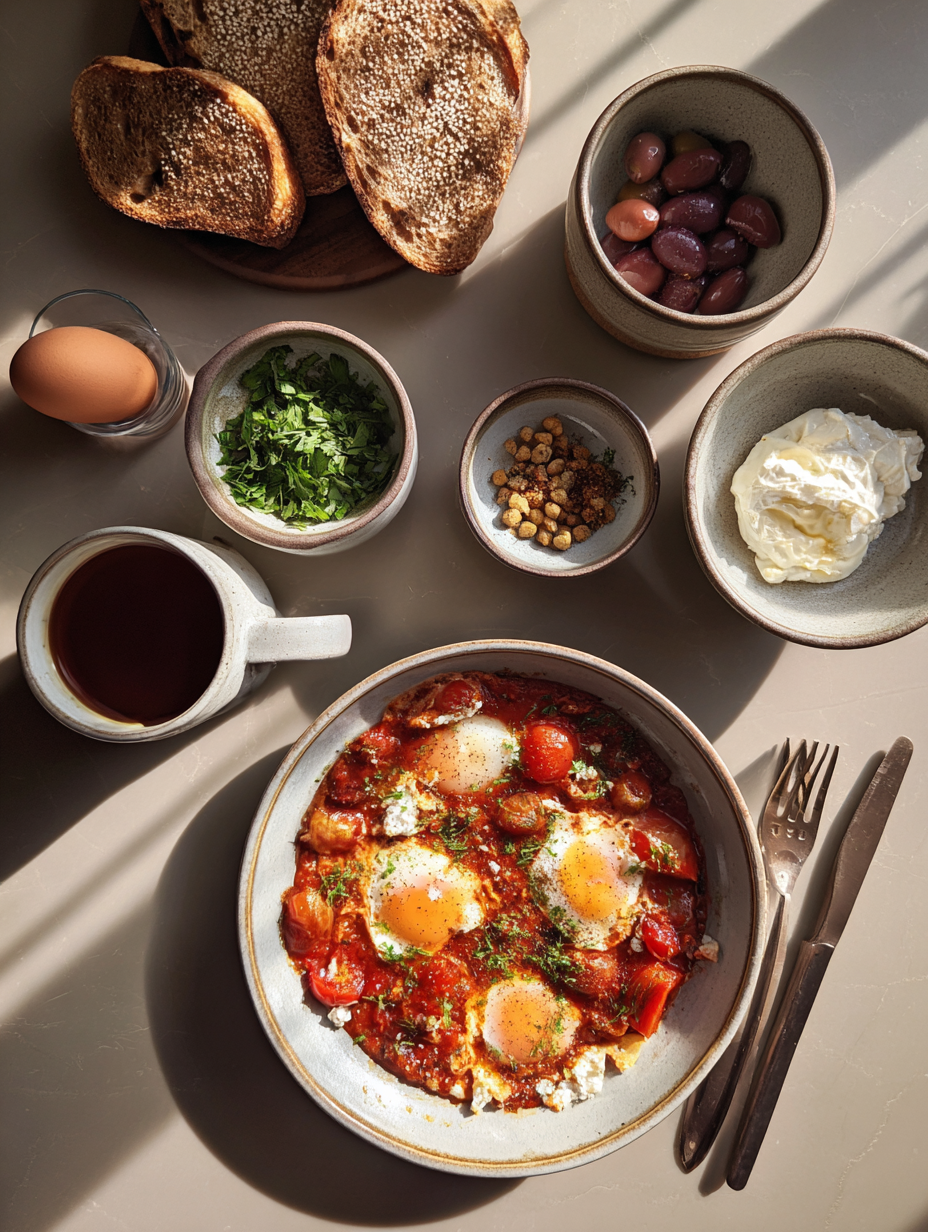
2. Accompanying Bread: Serve your shakshuka in a cast-iron skillet or a beautiful ceramic dish, surrounded by warm, crusty artisan bread or fluffy pita. This not only looks inviting but also encourages dipping into the sauce.
3. Colorful Plates: Use white or light-colored plates to make the vibrant colors of the shakshuka pop. A shallow bowl allows the sauce to be seen while giving guests easy access to the poached eggs.
4. Drizzle of Olive Oil: A light drizzle of high-quality extra virgin olive oil on top before serving adds a glossy finish and enhances the flavor. You can also sprinkle some smoked paprika or a pinch of red pepper flakes for a touch of color and extra flavor.
5. Individual Portions: For an elegant touch, consider serving individual portions in small cast-iron skillets or ramekins. This not only looks charming but also allows each person to have their own serving, making it feel special.
By focusing on these presentation tips, you’ll turn your shakshuka into a feast for the eyes as well as the palate!
What to Serve With
Complementing your Shakshuka with Feta can enhance the overall experience. Here are some thoughtful pairing ideas:
1. Labneh: This thick, creamy strained yogurt contrasts beautifully with the spicy shakshuka. Its coolness and tanginess balance the dish’s warmth and spices perfectly.
2. Mediterranean Salad: A light salad with tomatoes, cucumber, red onion, and olives dressed with lemon juice and olive oil adds a refreshing crunch. The bright colors and flavors will harmonize beautifully with the shakshuka.
3. Mint Tea: A warm cup of mint tea is a traditional accompaniment in many Mediterranean cultures. Its aromatic freshness will refresh your palate between bites of the hearty shakshuka.
4. Hummus and Pita Chips: The creamy texture of hummus with crispy pita chips creates a lovely contrast. Plus, it adds another layer of flavor that ties in nicely with the spices in the shakshuka.
5. Spiced Roasted Potatoes: Roasted potatoes tossed with cumin and paprika bring a satisfying crunch and substance to the meal. Their earthy flavors will complement the dish and round out the breakfast beautifully.
6. Baklava: For a sweet ending, serve some honey-drizzled baklava. This rich dessert offers a delightful contrast to the savory shakshuka, providing a sweet finish to your Mediterranean feast.
Storage Guide
Storing your Shakshuka with Feta properly ensures that you enjoy every last bite without sacrificing flavor. Here’s how to do it:
– Container Type: Use an airtight glass container to keep your dish fresh. Glass is preferable as it doesn’t absorb odors and can be reheated directly.
– Storage Temperature: Place the container in the refrigerator at a temperature of 40°F (4°C) or lower. This keeps the dish safe for consumption.
– Shelf Life: Your shakshuka should be good for about 3 to 4 days in the fridge. After that, the flavors begin to fade, and the texture of the eggs may deteriorate.
– Signs of Spoilage: Look for off smells or a slimy texture. If the eggs appear discolored or the sauce has separated significantly, it’s best to discard the dish.
– Refreshing Before Serving: To restore its original vibrancy, gently reheat the shakshuka in a skillet over low heat, adding a splash of water or broth to revive the sauce before serving. This simple addition will help prevent drying out and keep the flavors bright.
Freezing Tips
If you find yourself with leftover Shakshuka with Feta, freezing is an option, though it requires some care:
– Freezing Compatibility: While shakshuka can be frozen, the texture of the eggs may change upon thawing. For the best results, it’s ideal to freeze the sauce separately from the eggs.
– Portioning: Divide the sauce into individual servings before freezing. This allows you to thaw just what you need.
– Wrapping Method: Use freezer-safe containers or heavy-duty freezer bags. If using bags, remove as much air as possible before sealing to prevent freezer burn.
– Labeling: Don’t forget to label the containers with the date and contents. Shakshuka will keep in the freezer for about 3 months.
– Thawing: For best results, thaw the sauce overnight in the refrigerator. When ready to use, reheat on the stovetop and add freshly poached eggs to maintain the best texture.
Reheating Guide
To enjoy your Shakshuka with Feta again, reheating it properly is essential. Here’s how to do it:
– Microwave: Place a portion in a microwave-safe bowl. Heat on high for about 1-2 minutes, stirring halfway through to ensure even heating. To prevent drying out, cover the bowl with a damp paper towel.
– Oven: Preheat the oven to 350°F (175°C). Transfer the shakshuka to an oven-safe dish, cover with aluminum foil, and heat for about 15-20 minutes or until heated through.
– Stovetop: Heat a skillet over low to medium heat. Add a splash of water or broth, then add the shakshuka. Stir gently and cook for about 5-7 minutes until heated through, adding more liquid if necessary to restore moisture.
– Restoring Texture: For re-heating, always add a little liquid to keep the sauce from becoming too thick. This will help maintain its original flavor and consistency.
Nutrition Overview
Your Shakshuka with Feta is not only delicious but also nutritious. Here’s a quick overview of its approximate nutritional values per serving:
– Calories: 300
– Protein: 18g
– Carbohydrates: 10g
– Fat: 20g
– Fiber: 3g
– Sugar: 5g
The crushed tomatoes provide a rich source of vitamins C and K, while the eggs offer high-quality protein and essential nutrients like B vitamins and selenium. The feta cheese adds a delicious creaminess and is a good source of calcium. Enjoying this dish not only satisfies your hunger but also contributes to a balanced diet.
Frequently Asked Questions
Q: Can I substitute fresh tomatoes for canned?
A: Absolutely! If you prefer fresh tomatoes, use about 6-8 medium tomatoes, diced. Blanch and peel them first for a smoother texture. You may need to cook the sauce a bit longer to achieve the right consistency.
Q: What if I’m allergic to eggs?
A: You can make a delicious vegan version by replacing the eggs with tofu. Crumble firm tofu and add it to the simmering sauce, allowing it to absorb the flavors.
Q: Can I prepare shakshuka in advance?
A: Yes! You can make the sauce ahead of time and store it in the fridge for up to 4 days. Just add the eggs when you’re ready to serve.
Q: What kind of skillet is best for making shakshuka?
A: A cast-iron skillet is ideal as it retains heat well and distributes it evenly, ensuring perfect poached eggs. Plus, it’s beautiful for serving!
Q: Can I add other vegetables to shakshuka?
A: Definitely! Feel free to add spinach, zucchini, or mushrooms. Just sauté them with the onions and peppers for extra flavor and nutrition.
Q: How do I make shakshuka spicier?
A: You can increase the heat by adding red pepper flakes or cayenne pepper to the sauce. Start with a pinch and adjust to your taste.
Q: How do I know when the eggs are perfectly cooked?
A: You want the egg whites to be fully set while keeping the yolks runny. Cook them covered for about 5-7 minutes for the perfect balance.
Q: What can I use instead of feta cheese?
A: If you’re not a fan of feta, try goat cheese or even ricotta for a creamy texture. Just sprinkle it on top before serving, allowing it to melt slightly.
Final Thoughts
Your journey with Shakshuka with Feta is only beginning! Remember to keep an eye on the cooking time for the eggs, as perfectly runny yolks make all the difference in this dish. I’m genuinely excited for you to try this recipe and experience its vibrant flavors and comforting warmth.
Don’t forget to share your creation and let others

Shakshuka with Feta Recipe (Mediterranean Breakfast) 🍳🧀
Ingredients
- 2 cups canned crushed tomatoes preferably San Marzano for richer flavor
- 1 large red bell pepper diced
- 1 large yellow onion chopped
- 3 cloves garlic minced
- 1/2 teaspoon ground cumin
- 1/2 teaspoon smoked paprika
- 4 large eggs fresh
- 1 cup feta cheese crumbled
- 2 tablespoons olive oil extra virgin
- salt and pepper to taste
Instructions
- In a large skillet, heat the olive oil over medium heat. Add the chopped onion and red bell pepper, sautéing until the onion is translucent, about 5-7 minutes.
- Stir in the minced garlic, cumin, and smoked paprika, cooking for an additional 1-2 minutes until fragrant.
- Add the crushed tomatoes to the skillet, season with salt and pepper, and let the sauce simmer for about 10-15 minutes, allowing it to thicken slightly.
- Create small wells in the sauce and carefully crack the eggs into each well. Cover the skillet and cook for 5-7 minutes, or until the egg whites are set but the yolks are still runny.
- Remove the skillet from the heat and sprinkle the crumbled feta cheese over the top. Allow it to melt slightly before serving.
- Serve the shakshuka directly from the skillet, garnished with fresh herbs if desired. Enjoy with crusty bread for dipping!
Notes
Tip 2: Shakshuka can be made ahead and reheated gently before serving.
Variation: For a twist, add spinach or kale to the sauce before adding the eggs.