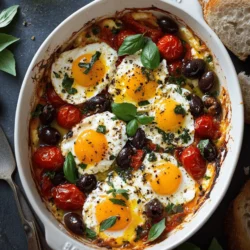

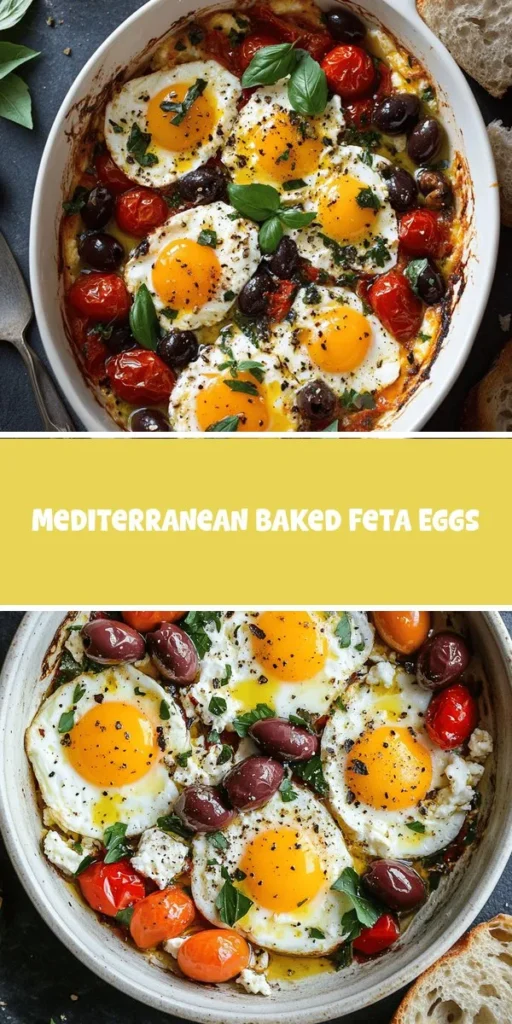
Mediterranean cuisine is celebrated for its vibrant flavors, fresh ingredients, and wholesome dishes that transport your taste buds to sun-soaked shores and bustling markets. One recipe that encapsulates these characteristics is Mediterranean Baked Feta Eggs. This delightful dish combines creamy feta cheese, tangy olives, and a medley of flavorful vegetables, all topped with perfectly baked eggs. Whether you’re looking for a nourishing breakfast, a leisurely brunch, or a light dinner, Mediterranean Baked Feta Eggs is sure to impress.
In this article, we will explore the origins of this mouthwatering dish, uncover its nutritional benefits, and provide you with a step-by-step guide to preparing it in your own kitchen. Let’s dive into the world of Mediterranean flavors and discover why this dish deserves a spot on your table.
The Origins of Mediterranean Baked Feta Eggs
Exploring the Mediterranean Influence
The Mediterranean region, encompassing countries like Greece, Italy, Spain, and Turkey, is known for its rich culinary traditions that emphasize fresh, seasonal ingredients. This cuisine is characterized by the use of olive oil, herbs, grains, vegetables, and dairy products, particularly cheese. The Mediterranean Diet, which has gained international recognition, showcases the health benefits of this way of eating, including improved heart health and weight management.
Feta cheese, a staple in many Mediterranean diets, plays a pivotal role in this dish. Originating from Greece, feta is made from sheep’s milk or a mixture of sheep and goat’s milk, imparting a tangy flavor and crumbly texture. Its versatility allows it to be incorporated into various dishes, enhancing flavors while adding a creamy richness.
The Role of Feta Cheese in Mediterranean Diets
Feta cheese is not just a delicious addition to salads and pastries; it is also celebrated for its nutritional value. Rich in calcium and protein, feta supports bone health and helps maintain muscle mass. Furthermore, it offers a lower fat alternative to other cheeses, allowing you to indulge in its creamy goodness without overwhelming your calorie count.
Historically, baked egg dishes have a significant presence in Mediterranean cultures. From Spanish huevos rotos to Italian frittatas, eggs have been a favored ingredient due to their adaptability and nutritional benefits. The act of baking eggs with other ingredients not only enhances their flavor but also creates a comforting and satisfying meal.
Nutritional Benefits of Ingredients
Feta Cheese: A Creamy Delight
Feta cheese boasts a unique nutritional profile that makes it a favorite among health-conscious eaters. A typical serving of feta contains approximately 75 calories, 6 grams of protein, and a wealth of essential nutrients, including calcium, phosphorus, and B vitamins.
The health benefits of feta extend beyond its nutritional content. Its tangy flavor elevates dishes, allowing cooks to use less of other, higher-calorie ingredients to achieve a satisfying taste. By incorporating feta into your meals, you can enjoy the rich flavors of cheese without excessive calories, making it an ideal choice for those looking to maintain a balanced diet.
Eggs: A Nutritional Powerhouse
Eggs are often regarded as one of nature’s most complete foods, packed with essential proteins, vitamins, and minerals. A single large egg contains about 70 calories, 6 grams of high-quality protein, and an array of nutrients, including vitamin D, vitamin B12, and selenium.
Cooking eggs in different styles, such as baking, scrambling, or poaching, allows for diversity in preparation while retaining their nutritional benefits. When incorporated into dishes like Mediterranean Baked Feta Eggs, the combination of eggs and feta creates a delightful balance of flavors and textures that is not only delicious but also nourishing.
Vegetables: Cherry Tomatoes and Olives
In Mediterranean Baked Feta Eggs, the vegetables used—primarily cherry tomatoes and olives—bring additional nutritional advantages to the dish. Cherry tomatoes are rich in antioxidants, particularly lycopene, which has been linked to numerous health benefits, including improved heart health and reduced risk of certain cancers. They also provide vitamin C, potassium, and fiber, making them a fantastic addition to any meal.
Kalamata olives, known for their bold flavor, are another key ingredient in this dish. They offer healthy fats, specifically monounsaturated fats, which are beneficial for heart health. Olives are also a good source of vitamin E, iron, and copper, contributing to overall well-being.
Incorporating vegetables into breakfast dishes like this one not only boosts nutritional content but also adds color, flavor, and texture, making meals more enjoyable and satisfying.
Preparing Mediterranean Baked Feta Eggs
Gathering Your Ingredients
To create this delicious Mediterranean Baked Feta Eggs dish, you’ll want to gather the following ingredients. This list includes alternatives for those who may have dietary restrictions or preferences:
Ingredients List:
– Feta cheese: 200 grams (about 7 ounces), crumbled or in blocks
– Large eggs: 4-6, depending on serving size
– Cherry tomatoes: 1 cup, halved
– Kalamata olives: 1/2 cup, pitted and sliced (you can substitute with green olives if preferred)
– Fresh spinach or arugula: 1 cup, roughly chopped (optional, but recommended for added greens)
– Garlic: 2 cloves, minced
– Olive oil: 2 tablespoons
– Salt and pepper: to taste
– Fresh herbs: such as parsley or basil, for garnish (optional)
Tips for Selecting the Freshest Produce and Quality Feta
When it comes to preparing Mediterranean Baked Feta Eggs, the quality of your ingredients will significantly affect the final outcome. Here are some tips for selecting the best produce and feta cheese:
1. Feta Cheese: Choose high-quality feta, preferably made from sheep’s milk for the best flavor. If you can find it in brine, that’s even better, as it helps maintain moisture and taste. Look for feta that is crumbly yet creamy, avoiding overly dry varieties.
2. Vegetables: For cherry tomatoes, select firm, vibrant-colored tomatoes. They should be free from blemishes or soft spots. If using spinach or arugula, opt for fresh leaves that are crisp and bright green.
3. Olives: When choosing olives, go for those that are packed in brine rather than oil to preserve their flavor and texture. Kalamata olives are a classic choice, but feel free to experiment with other varieties based on your taste preference.
4. Fresh Herbs: If you’re using herbs for garnish, look for bright, fragrant sprigs, as they will enhance the dish’s overall flavor profile.
With your ingredients gathered, you are well on your way to creating a delightful Mediterranean meal that not only tastes incredible but also nourishes your body.
Step-by-Step Instructions
Now that you have all the ingredients ready, it’s time to embark on the journey of making Mediterranean Baked Feta Eggs. Follow these step-by-step instructions to achieve the perfect balance of flavors and textures:
1. Preheat the Oven: Begin by preheating your oven to 375°F (190°C). This temperature allows the eggs to bake perfectly without overcooking.
2. Prepare the Baking Dish: In a medium-sized baking dish (a cast-iron skillet works wonderfully), drizzle 2 tablespoons of olive oil, ensuring the bottom is well-coated to prevent sticking.
3. Layer the Vegetables: Add the halved cherry tomatoes and sliced Kalamata olives to the baking dish. If you’re using fresh spinach or arugula, layer it on top of the tomatoes and olives. Sprinkle the minced garlic over the vegetables, adding a fragrant note to the dish.
4. Add the Feta: Crumble the feta cheese evenly over the vegetables. If you have feta blocks, you can place them whole in the center, which will melt beautifully as it bakes.
5. Crack the Eggs: Create small wells in the vegetable and feta mixture, then carefully crack the eggs into these wells. Depending on the size of your baking dish, you can use 4 to 6 eggs, ensuring they are evenly spaced.
6. Season: Sprinkle salt and pepper over the eggs, taking care to season gently, as the feta and olives already contribute saltiness to the dish.
7. Bake: Place the baking dish in the preheated oven and bake for about 20-25 minutes, or until the egg whites are set and the yolks are cooked to your desired level of doneness.
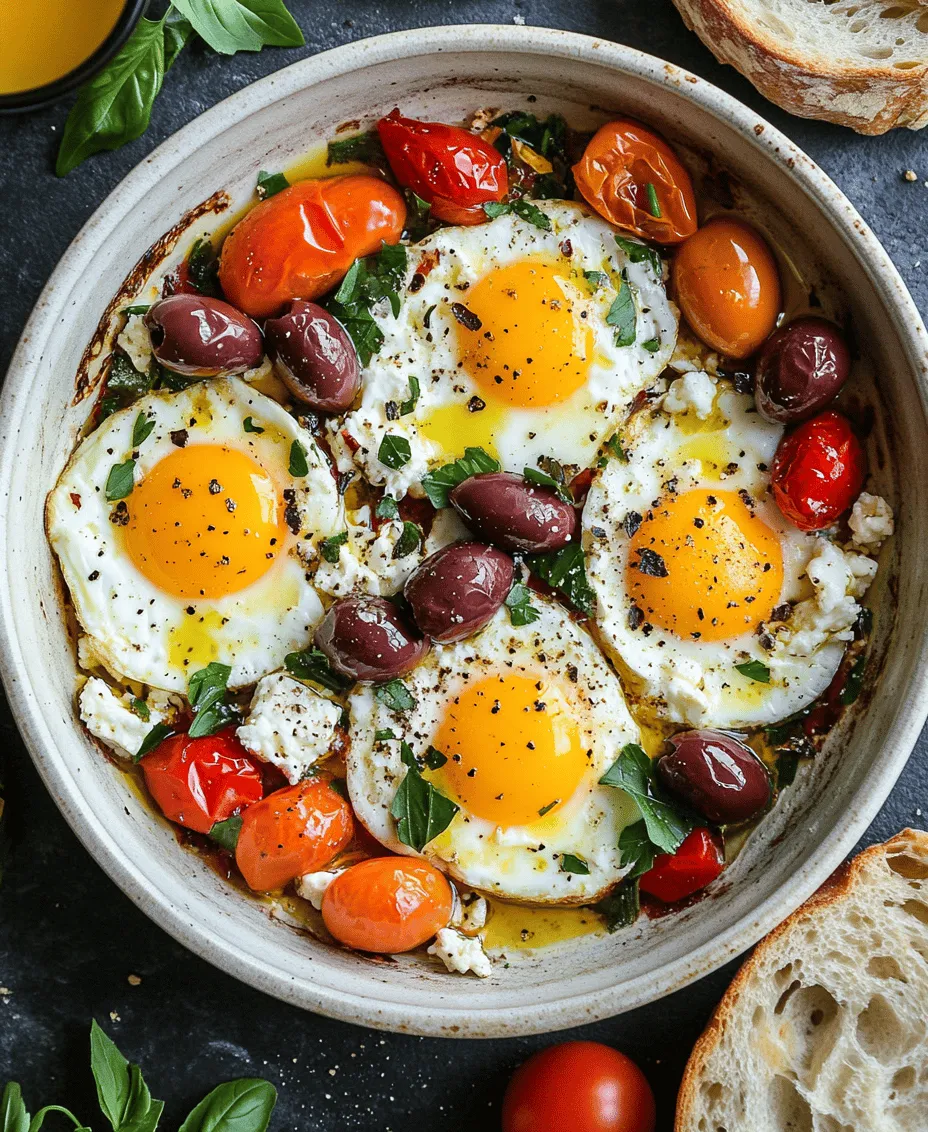
8. Garnish and Serve: Once baked, remove the dish from the oven and let it cool slightly. Garnish with fresh herbs like parsley or basil for a pop of color and added flavor. Serve warm with crusty bread or pita for dipping.
With these steps, you are well on your way to enjoying the delightful experience of Mediterranean Baked Feta Eggs. This dish not only captivates with its flavors but also brings the essence of Mediterranean cooking to your kitchen. Whether enjoyed solo or shared with family and friends, it is a meal that celebrates the simplicity and richness of Mediterranean ingredients.
Preheating the Oven: Importance of Temperature
Before diving into the preparation of your Mediterranean Baked Feta Eggs, preheating your oven is a crucial step that should never be overlooked. Preheating not only ensures that the dish cooks evenly but also helps the ingredients to meld together beautifully, enhancing the overall flavor. Set your oven to 375°F (190°C) and allow it to reach the desired temperature before placing your dish inside. This ensures that the feta cheese melts perfectly, the vegetables soften without becoming mushy, and the eggs achieve that ideal consistency.
Preparing the Baking Dish: Layering Vegetables for Optimal Flavor
The secret to a delicious Mediterranean Baked Feta Eggs begins with the layering of vegetables in your baking dish. Start by selecting a sturdy oven-safe dish, such as a cast-iron skillet or a ceramic baking dish. To create a flavorful base, spread a generous layer of your chosen vegetables. Popular options include bell peppers, cherry tomatoes, and zucchini, which not only add color but also contribute to the dish’s inherent sweetness and freshness.
Consider sautéing the vegetables briefly in olive oil before layering them in the dish. This step enhances their natural flavors and provides a richer taste. Once your vegetables are layered, sprinkle a pinch of salt and black pepper over them to season, and then add a drizzle of olive oil to ensure they roast beautifully in the oven.
Adding and Seasoning Feta: Techniques for Even Distribution
Feta cheese is the star of this dish, and how you add it can significantly impact the flavor and texture of your Mediterranean Baked Feta Eggs. Opt for a block of feta rather than crumbled feta to achieve the best results. Crumble the feta into large chunks with your hands and distribute them evenly over the layered vegetables. This method ensures that each bite contains a delightful burst of creamy, tangy feta.
To enhance the flavor of the feta, drizzle it with a little extra virgin olive oil and sprinkle some dried oregano or thyme on top. These herbs are quintessentially Mediterranean and will infuse the cheese with aromatic notes as it bakes. This step not only adds depth to the dish but also helps to create a beautiful golden crust on the feta as it bakes.
Baking the Dish: Key Indicators of Readiness
With the oven preheated and your dish assembled, it’s time to bake. Place the baking dish in the oven and set a timer for about 25-30 minutes. Keep an eye on the dish as it bakes. The key indicators of readiness include the feta cheese turning a lovely golden color and the vegetables bubbling around the edges. You want to see some caramelization on the vegetables, which adds richness and flavor to the dish.
If you find that the feta is not browning enough, you can turn on the broiler for the last few minutes of baking. This technique will give the cheese a nice char while keeping the vegetables tender. Just be sure to watch closely, as broiling can quickly lead to overcooking.
Adding Eggs: Tips for Creating Perfect Indentations
Once the vegetables and feta are perfectly baked, it’s time to add the eggs. Remove the dish from the oven and use a spoon to create small indentations in the mixture—one for each egg you plan to add. This step is essential for creating a cozy nest for the eggs, ensuring they cook evenly and do not spread across the dish.
Crack each egg carefully into the indentations, taking care not to break the yolks. For a beautiful presentation, consider using farm-fresh eggs, as their vibrant yolks will pop against the colorful vegetables. After adding the eggs, season them with a pinch of salt and pepper, and return the dish to the oven.
Final Baking: Ensuring Perfect Egg Consistency
The final baking phase is crucial for achieving the perfect egg consistency. Bake the dish for an additional 10-12 minutes, or until the egg whites are set but the yolks remain slightly runny. If you prefer fully cooked yolks, extend the baking time by a few minutes, but be cautious not to overcook them, as you want that delightful creamy texture.
As the dish bakes, the eggs will take on the flavors of the surrounding ingredients, resulting in a harmonious blend of tastes. Once done, remove the baking dish from the oven and let it cool for a few moments before serving.
Serving Suggestions
Complementary Dishes and Pairings
To enhance your Mediterranean Baked Feta Eggs experience, consider complementing the dish with refreshing sides that echo its vibrant flavors. A simple mixed green salad with a lemon vinaigrette can provide a crisp contrast to the richness of the eggs and feta. Alternatively, a tabbouleh salad featuring parsley, mint, and bulgur wheat can evoke the fresh flavors of the Mediterranean.
For dipping, serve with warm pita bread or crusty baguette slices that can soak up the delicious juices from the dish. The bread not only adds texture but also allows you to savor every last bite.
When it comes to beverages, a light, crisp white wine such as a Pinot Grigio or a Sauvignon Blanc can elevate your meal. For a non-alcoholic option, consider serving iced herbal tea infused with mint or a refreshing lemonade, both of which complement the dish’s flavors beautifully.
Plating Presentation
Presentation plays a vital role in making your Mediterranean Baked Feta Eggs visually appealing. When plating, consider garnishing with fresh herbs such as chopped basil or parsley. These greens not only add a pop of color but also enhance the dish’s aroma and flavor profile.
Serve the dish straight from the oven for a rustic feel, or transfer individual portions to plates for a more polished look. To elevate your presentation, arrange a few slices of crusty bread alongside the dish and sprinkle some extra herbs on top for a finishing touch.
Variations and Customizations
Exploring Flavor Profiles
One of the beauties of Mediterranean Baked Feta Eggs is its versatility. If you want to explore different flavor profiles, consider adding more vegetables to the base. Spinach, artichokes, or roasted eggplant can be excellent additions that not only boost nutrition but also enhance the dish’s depth.
For those who enjoy meat, incorporating proteins such as chorizo, diced chicken, or even smoked salmon can add a savory richness that complements the feta’s tangy flavor. Simply sauté the meat before layering it with the vegetables for an added boost of flavor.
To spice things up, experiment with various herbs and spices. A pinch of red pepper flakes can introduce a delightful heat, while a dash of smoked paprika can bring a unique smoky flavor to your dish. Don’t hesitate to get creative with your seasonings—this recipe is a canvas for your culinary imagination.
Storage and Reheating
Best Practices for Storing Leftovers
Should you have any leftovers of your Mediterranean Baked Feta Eggs, proper storage is key to maintaining their quality. Allow the dish to cool completely before transferring it to an airtight container. It can be stored in the refrigerator for up to three days. Make sure to cover the dish tightly to prevent any odors from permeating.
Reheating Tips to Maintain Texture and Flavor
When it comes to reheating, the best method is to use the oven. Preheat the oven to 350°F (175°C) and place the baking dish in for about 10-15 minutes, or until heated through. This method helps to retain the creamy texture of the eggs and the flavor of the feta. Avoid using the microwave, as it can cause the eggs to become rubbery and the feta to lose its delightful creaminess.
Conclusion
Mediterranean Baked Feta Eggs not only provide a delicious and satisfying meal but also embody the essence of Mediterranean cooking: fresh, healthy, and flavorful. This recipe is versatile, easy to prepare, and perfect for any meal of the day. Whether you’re enjoying it on a leisurely weekend morning or serving it to guests, this dish is sure to impress and nourish.
Embrace the Mediterranean lifestyle and savor the delightful flavors of this baked egg dish. From the first bite of creamy feta to the vibrant vegetables and perfectly cooked eggs, your taste buds will thank you for this culinary adventure. Enjoy the process of making this dish, and let it inspire you to explore more Mediterranean flavors in your cooking repertoire.