
Introduction
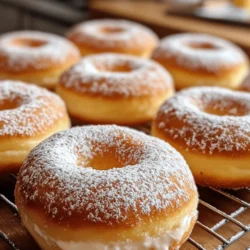
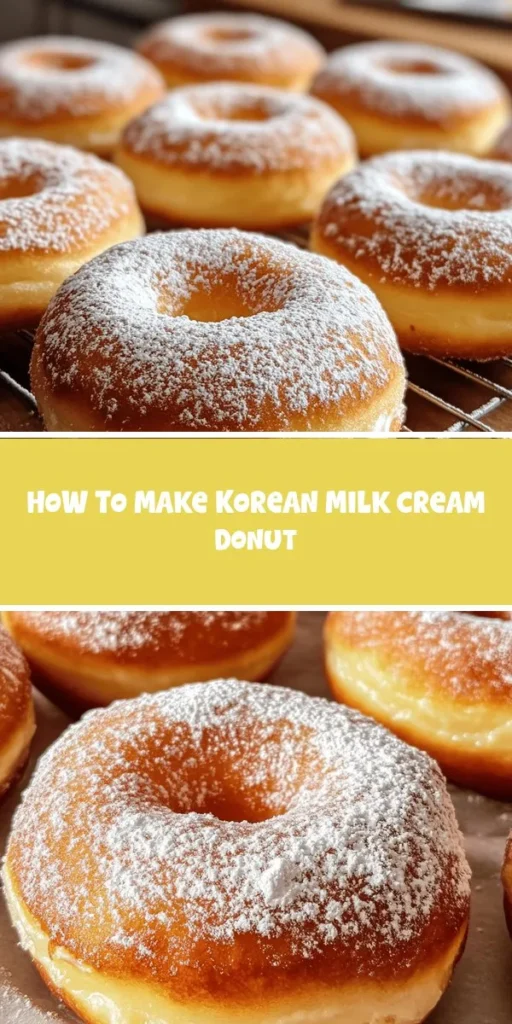
Donuts have a rich history and cultural significance in various cuisines around the world, beloved for their sweetness and versatility. In Korea, donuts have evolved into a delightful treat that embraces the country’s unique flavors and textures. Among the many varieties, the Korean Milk Cream Donut stands out for its soft, fluffy dough and creamy filling, offering a delightful balance of taste and texture that appeals to both locals and visitors alike.
What makes the Korean Milk Cream Donut truly special is the combination of its airy, pillowy exterior and the luscious, rich cream filling that awaits inside. This donut is perfect for any occasion, whether enjoyed as a breakfast treat, an afternoon snack, or a delightful dessert. The contrast of the warm, freshly baked donut with the cool, creamy filling creates a sensory experience that is both satisfying and indulgent.
In this article, we will take a closer look at the ingredients that contribute to the deliciousness of Korean Milk Cream Donuts, as well as provide a step-by-step guide to making these delightful treats in your own kitchen.
Understanding the Ingredients
Creating the perfect Korean Milk Cream Donut starts with understanding the key components of the dough and the filling. Each ingredient plays a critical role in achieving the desired flavor, texture, and overall experience of this delightful pastry.
All-Purpose Flour
All-purpose flour is the backbone of the donut dough, providing the necessary structure and texture. It has the right balance of protein and starch, which helps create a tender yet chewy donut. When mixed with liquid, the flour develops gluten, which gives the dough its elasticity. Using high-quality all-purpose flour will ensure that your donuts rise properly and have the perfect bite.
Sugar
Sugar is more than just a sweetener in this recipe; it serves multiple functions. It enhances the overall flavor of the donuts and creates a delightful contrast against the creamy filling. Additionally, sugar plays a crucial role in activating the yeast during fermentation. The yeast feeds on the sugar, producing carbon dioxide, which causes the dough to rise and become fluffy.
Active Dry Yeast
The magic of donuts largely relies on fermentation, and that’s where active dry yeast comes into play. This ingredient is responsible for the dough’s rise and airy texture. When combined with warm liquid, yeast activates and begins to ferment, producing carbon dioxide gas. This gas gets trapped in the dough, causing it to expand and become light and fluffy. To ensure successful fermentation, it’s essential to use warm milk, typically around 105°F to 110°F, as this temperature range is ideal for activating the yeast without killing it.
Salt
While it may seem counterintuitive, salt is an important ingredient in donut dough. It enhances the overall flavor, balancing the sweetness of the sugar. Additionally, salt helps to control yeast activity, preventing the dough from rising too quickly and allowing for better flavor development during fermentation. A small amount of salt can make a significant difference in the final taste of your donuts.
Whole Milk
Whole milk contributes moisture and richness to the dough, enhancing its texture and flavor. The fat content in whole milk makes the donut tender, while also helping to create a rich, satisfying taste. Milk also plays a role in activating the yeast, as the warm liquid encourages fermentation.
Eggs
Eggs are a crucial ingredient in many baked goods, and Korean Milk Cream Donuts are no exception. They serve multiple functions, including binding the ingredients together and adding structure to the dough. The proteins in eggs help create a stable framework, resulting in a fluffy and tender donut. Additionally, eggs contribute moisture and richness, further enhancing the overall flavor profile.
Unsalted Butter and Vanilla Extract
Unsalted butter is used in this recipe to add flavor and richness to the dough. The fat in the butter creates a tender crumb, while also contributing to the overall flavor of the donuts. It’s essential to use unsalted butter so you can control the amount of salt in the recipe.
Vanilla extract is another key flavor enhancer, infusing the dough with a warm, aromatic essence. The combination of butter and vanilla creates a delectable base for the donuts, making them irresistible.
Insight into the Milk Cream Filling
The star of the show in the Korean Milk Cream Donut is undoubtedly the creamy filling. This luscious component is made using a few simple ingredients that come together to create a heavenly taste experience.
Heavy Whipping Cream
Heavy whipping cream is the foundation of the milk cream filling. It has a high fat content, which allows it to be whipped into a light and airy consistency. When whipped, it becomes fluffy and provides a rich mouthfeel that complements the softness of the donut dough. The cream’s richness is what makes the filling so indulgent and satisfying.
Powdered Sugar and Vanilla Extract
To balance the richness of the heavy cream, powdered sugar is added to the filling. This sweetener dissolves easily, creating a smooth and creamy texture without the graininess of granulated sugar. The addition of vanilla extract enhances the flavor, creating a harmonious blend that perfectly complements the donut.
Optional Milk
Depending on your preferred thickness for the cream filling, you may choose to add a splash of milk. This can help adjust the consistency to your liking, ensuring that the filling is neither too thick nor too runny. The goal is to achieve a creamy filling that holds its shape yet is easy to pipe into the donuts.
Overview of Topping Options
Korean Milk Cream Donuts can be finished with a variety of toppings that add an extra layer of sweetness and visual appeal. Two popular options include:
Powdered Sugar
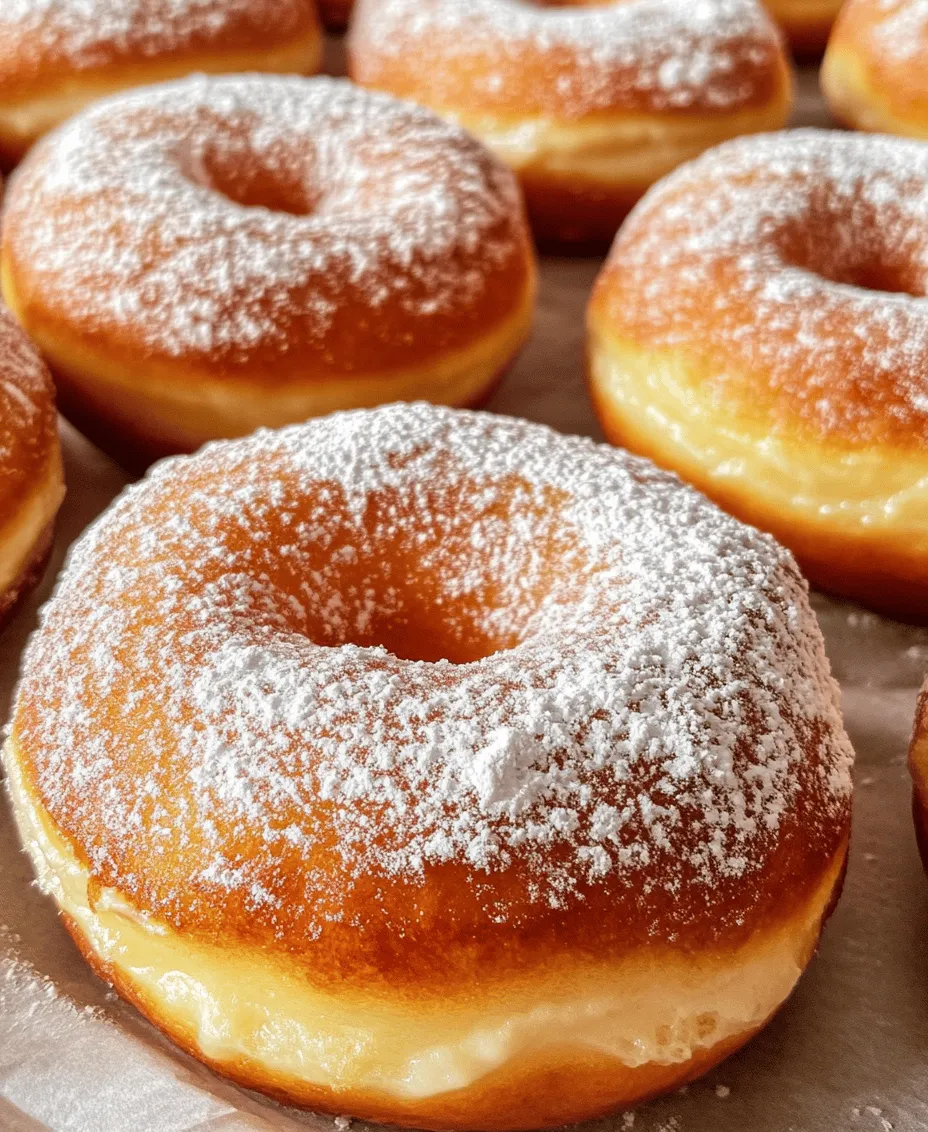
A simple dusting of powdered sugar is a traditional way to finish these donuts. The light, snowy coating adds a touch of sweetness without overpowering the flavors of the donut and filling. It also gives the donuts an inviting appearance, making them even more tempting.
Milk Glaze
For those looking to add a shiny finish, a milk glaze can be an excellent alternative. This glaze is made by mixing powdered sugar with a small amount of milk until it reaches a pourable consistency. Drizzling the glaze over the donuts creates a glossy, attractive look while also adding a touch of sweetness that complements the creamy filling.
Step-by-Step Guide to Making Korean Milk Cream Donuts
Preparing the Dough
Now that we have a thorough understanding of the ingredients, it’s time to begin the process of making Korean Milk Cream Donuts. The first step in preparing the dough involves activating the yeast.
Importance of Warm Milk for Yeast Activation
Start by gently warming the milk to a temperature between 105°F to 110°F. This temperature is crucial for activating the active dry yeast. If the milk is too hot, it can kill the yeast, preventing the dough from rising. Conversely, if the milk is too cold, the yeast will not activate properly, leading to a dense donut.
Once the milk is warmed, sprinkle the active dry yeast over the surface of the milk, followed by a small amount of sugar. Allow the mixture to sit for about 5 to 10 minutes until it becomes frothy and bubbly. This indicates that the yeast is alive and ready to work its magic.
Tips for Mixing and Ensuring a Smooth Dough Consistency
In a large mixing bowl, combine the all-purpose flour, remaining sugar, salt, and any other dry ingredients listed in your recipe. Mix these dry ingredients thoroughly to ensure even distribution.
Once the yeast mixture is frothy, add it to the dry ingredients along with the eggs, melted unsalted butter, and vanilla extract. Begin mixing the ingredients together using a wooden spoon or a dough hook attached to a stand mixer. As you mix, gradually add the remaining flour until the dough begins to come together.
After incorporating the flour, knead the dough for about 8 to 10 minutes. If you’re using a stand mixer, you can use the dough hook attachment for this process. The goal is to develop the gluten, resulting in a smooth and elastic dough.
You can tell that the dough is ready when it is slightly tacky to the touch but pulls away from the sides of the bowl cleanly. If the dough is too sticky, you can add a little extra flour, but be cautious not to overdo it, as too much flour can lead to a dense donut.
Once the dough reaches the desired consistency, shape it into a ball and place it in a lightly greased bowl. Cover the bowl with a clean kitchen towel or plastic wrap, and allow it to rise in a warm, draft-free area until it doubles in size, typically about 1 to 1.5 hours.
This rising process is essential for creating light and fluffy donuts. The yeast will continue to ferment, producing carbon dioxide that causes the dough to expand. The longer the dough rises, the more flavor it will develop, making it well worth the wait.
Stay tuned for the next part of our guide, where we will delve into shaping, frying, and filling the donuts to perfection. This delectable journey into the world of Korean Milk Cream Donuts is just beginning!
Kneading the Dough
The kneading process is a crucial step in the preparation of Korean Milk Cream Donuts. Kneading helps develop gluten, which gives the dough its structure and elasticity. When you knead the dough, the proteins in the flour bond together to form a network that traps air bubbles and allows the donut to rise properly during the fermentation process.
How to Knead the Dough:
1. Start by turning the dough out onto a clean, floured surface. Use the heel of your hand to push the dough away from you, folding it back over itself, and then rotate it a quarter turn.
2. Repeat this process for about 8-10 minutes. The dough should become smooth and elastic.
Signs Your Dough is Ready:
– The dough should feel tacky but not sticky and should spring back slightly when pressed.
– A windowpane test can also be performed: take a small piece of dough and stretch it gently. If it stretches without tearing and allows light to pass through, it’s ready for the first rise.
Shaping the Donuts
Once the dough has risen and developed the necessary gluten structure, it’s time to shape your donuts.
Techniques for Rolling and Cutting:
1. Lightly flour your work surface and roll out the dough to about ½ inch thick. Use a rolling pin for an even thickness.
2. To cut the donuts, use a donut cutter or two round cookie cutters of different sizes—one for the outer circle and a smaller one for the hole in the center. This will create the classic donut shape.
Importance of the Second Rise:
After shaping, allow the donuts to rise again for about 30-45 minutes. This step is essential for achieving a light and airy texture. During this time, the yeast will further ferment and produce carbon dioxide, which helps the donuts puff up when fried.
Frying the Donuts
Frying donuts can be intimidating, but with a few safety tips and techniques, you can achieve perfectly golden brown donuts.
Safety Tips for Frying:
– Use a deep, heavy-bottomed pot to avoid oil splatter and ensure even heat distribution.
– Fill the pot with enough oil to submerge the donuts, but do not exceed halfway to prevent overflow.
– Use a thermometer to monitor oil temperature, ideally between 350°F to 375°F. If the oil is too hot, the donuts will burn on the outside but remain raw inside; if too cool, they will absorb excess oil and become greasy.
Indicators of Perfect Frying:
– Carefully place a test donut in the oil; it should sizzle immediately and rise to the surface.
– Fry the donuts for about 2-3 minutes on each side until they are golden brown. Use a slotted spoon to remove them from the oil and place them on a wire rack lined with paper towels to drain excess oil.
Making the Milk Cream Filling
The milk cream filling is the star of this recipe, giving the donuts their signature flavor and texture.
Whipping Cream:
1. Begin with cold heavy cream; this helps achieve stiff peaks more easily. Pour it into a large mixing bowl.
2. Use an electric mixer to whip the cream on medium speed. Gradually increase to high speed as the cream thickens.
3. Once soft peaks form, add powdered sugar gradually while continuing to whip. This ensures the sugar dissolves properly and balances the sweetness without overloading the cream.
Achieving Stiff Peaks:
– The cream is ready when it holds its shape and stands upright without drooping. Be careful not to over-whip, as this can turn the cream into butter.
Filling the Donuts
Filling the donuts properly is essential to ensure each bite is delightful without the risk of overfilling.
Best Practices for Filling:
– Use a piping bag fitted with a round tip for precise filling. Insert the tip into the side of the donut and gently squeeze the bag to fill it with cream.
– Alternatively, a small knife can be used to create a pocket for filling, but this method can be less precise and may risk tearing the donut.
Tools Required:
– A piping bag is the most efficient tool for filling donuts. If you don’t have one, a zip-top bag with a corner cut off can serve the same purpose.
– A small funnel can also help if you prefer a more manual filling approach.
Serving Suggestions
Presentation can elevate the experience of your Korean Milk Cream Donuts, making them even more enticing.
Presentation Ideas:
– Dust the filled donuts with powdered sugar or dip them in a glaze for added sweetness and visual appeal.
– Arrange them on a decorative plate or a tiered serving stand for a beautiful display.
Pairing Suggestions:
– These donuts pair wonderfully with a cup of coffee or tea, balancing the sweetness of the cream with a bitter beverage.
– Consider serving them alongside fresh fruit, such as berries, for a refreshing contrast.
Nutritional Information
Understanding the nutritional content of your homemade treats can help you enjoy them in moderation.
Nutritional Breakdown (per donut):
– Calories: Approximately 250-300
– Total Fat: 15g
– Saturated Fat: 8g
– Sugars: 10g
While these donuts are a delightful treat, it’s important to enjoy them as part of a balanced diet. Incorporating them occasionally into your meals can satisfy your sweet tooth without compromising your nutritional goals.
Conclusion
Making Korean Milk Cream Donuts is a rewarding experience that not only fills your kitchen with delightful aromas but also brings joy to those who enjoy them. The combination of soft, fluffy donuts filled with creamy milk filling makes for an irresistible treat that can be shared with family and friends.
Don’t hesitate to experiment with different flavors and fillings—try adding fruit purees, chocolate ganache, or even flavored extracts to the cream for a unique twist. The joy of creating something delicious from scratch is unparalleled, and every batch offers an opportunity to bring people together over delightful homemade treats. Enjoy the process, savor the flavors, and share your delightful creations with those you love.