
Introduction
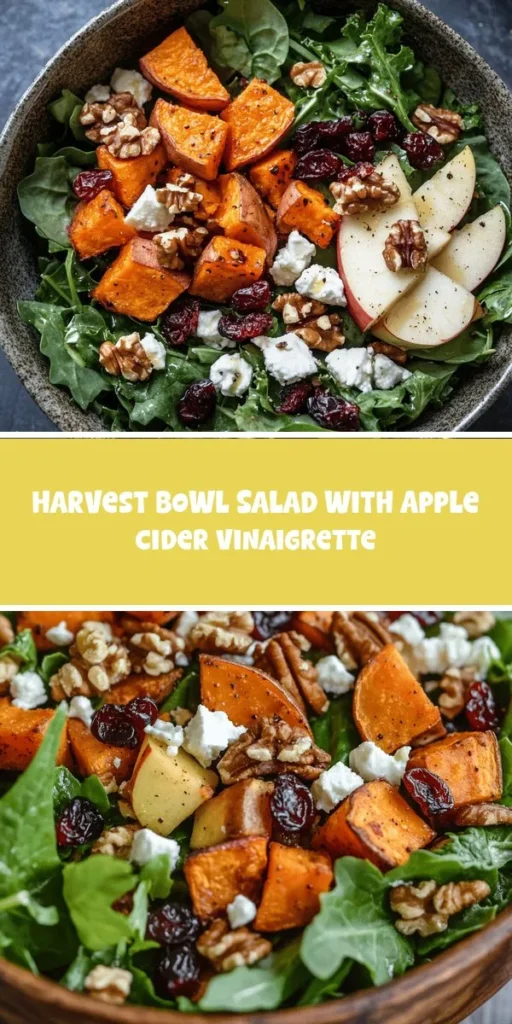
As the leaves turn vibrant shades of red and gold, there’s no better time to embrace the bounty of the harvest season than with a delicious Harvest Bowl Salad. This wholesome dish brings together a medley of fresh, seasonal ingredients, creating a colorful and nutrient-packed meal that is as visually appealing as it is satisfying. Harvest bowl salads are not just a feast for the eyes; they are a celebration of flavors and textures, making use of the freshest ingredients available at local markets.
The beauty of a harvest bowl salad lies not only in its vibrant presentation but also in its adaptability. You can mix and match ingredients based on the season, your personal preferences, or dietary requirements, making it a versatile option for any meal. As we delve into the recipe, you will find how the combination of mixed greens, hearty grains, crisp apples, and roasted vegetables comes together to create a nourishing dish that can be enjoyed as a main course or a side.
One of the standout features of this salad is the homemade apple cider vinaigrette. This zesty dressing infuses each bite with a delightful tanginess that perfectly complements the sweetness of the apples and the earthy notes of the roasted sweet potatoes. Apple cider vinaigrette is not just a dressing; it’s a way to enhance the natural flavors of the salad ingredients while providing a healthy alternative to store-bought dressings that often contain preservatives and excess sugar.
Let’s dive into the details of this Harvest Bowl Salad with Apple Cider Vinaigrette, exploring the ingredients that make this dish a seasonal favorite, their health benefits, and how to prepare this delightful meal.
Understanding the Ingredients
Mixed Greens
The foundation of any great salad is its greens, and for our harvest bowl, we’ll use a vibrant mix of baby spinach, arugula, and kale. Each of these greens brings its own unique flavor and nutritional profile to the table.
– Baby Spinach: Tender and mild, baby spinach is packed with vitamins A, C, and K, as well as iron and folate. Its delicate texture makes it a perfect base for salads, allowing other ingredients to shine without overpowering them.
– Arugula: With its peppery flavor, arugula adds a spicy kick to the mix. This leafy green is rich in antioxidants and has been linked to various health benefits, including improved digestion and reduced inflammation.
– Kale: Known as a superfood, kale is loaded with nutrients, including vitamins A, C, and K, as well as calcium and fiber. Its robust texture helps it hold up well against hearty toppings and dressings, making it a staple in many salads.
Together, these mixed greens create a balanced combination of flavors and textures, ensuring that each bite is both refreshing and satisfying.
Quinoa
Quinoa is a nutritional powerhouse and serves as the perfect hearty element for our harvest bowl salad. Often referred to as a superfood, quinoa is gluten-free and packed with protein, fiber, and essential amino acids. Here’s a closer look at its benefits and cooking tips.
– Nutritional Overview: Quinoa is one of the few plant foods considered a complete protein, containing all nine essential amino acids. It is also high in fiber, which aids digestion, and rich in minerals such as magnesium, iron, and potassium.
– Cooking Tips: To prepare quinoa, rinse it under cold water to remove its natural coating, called saponin, which can impart a bitter taste. Cook it in a ratio of 1 part quinoa to 2 parts water or broth for added flavor. Bring it to a boil, then reduce to a simmer and cover until the quinoa is fluffy and the water has been absorbed, usually about 15-20 minutes.
– Variations: Quinoa can be substituted with other grains like farro or brown rice for those who prefer a different texture or taste. Additionally, consider toasting the quinoa in a pan before cooking to enhance its nutty flavor.
Apples
No harvest bowl is complete without the addition of crisp apples, which not only contribute sweetness but also a refreshing crunch. When choosing apples for your salad, consider the following:
– Choosing the Right Variety: For a balance of sweetness and tartness, opt for varieties like Granny Smith, Honeycrisp, or Fuji apples. Tart apples like Granny Smith provide a refreshing contrast to the sweet potatoes and cranberries, while Honeycrisp apples offer a juicy sweetness that complements the other ingredients.
– Health Benefits: Apples are high in fiber, particularly when the skin is left on, and they are a good source of vitamin C. Their high antioxidant content can support heart health and help reduce the risk of chronic diseases.
Sweet Potatoes
Sweet potatoes are a delightful addition to any harvest bowl salad, bringing warmth and a touch of sweetness. They’re not only delicious but also packed with nutrients.
– Nutritional Benefits: Sweet potatoes are high in fiber, vitamins A and C, and potassium. They are known for their antioxidant properties, which can help combat oxidative stress in the body and support immune function.
– Cooking Techniques: Roasting sweet potatoes enhances their natural sweetness and caramelizes their sugars, adding depth to the salad. To prepare, peel and cube the sweet potatoes, toss them in olive oil, salt, and your favorite spices, and roast at 400°F (200°C) for 25-30 minutes or until tender and slightly crispy.
Cranberries
Dried or fresh, cranberries are a seasonal favorite that adds a burst of tartness to your harvest bowl salad.
– Fresh vs. Dried Cranberries: Fresh cranberries are typically available during the fall and can offer a tart flavor, while dried cranberries are sweetened and provide a chewy texture. When using dried cranberries, look for options that are sweetened with fruit juice rather than added sugars to keep the dish healthier.
– Health Benefits: Cranberries are rich in antioxidants and vitamin C, making them a great addition for immune support. They are also known for promoting urinary tract health and may help reduce the risk of certain chronic diseases.
Walnuts
For a satisfying crunch and additional nutrients, walnuts are an excellent choice to include in your harvest bowl salad.
– Nutritional Value: Walnuts are rich in healthy fats, particularly omega-3 fatty acids, which are beneficial for heart health. They are also a good source of protein and fiber, making them a great addition for satiety.
– Alternatives for Nut Allergies: If you or your guests have nut allergies, consider using seeds such as pumpkin or sunflower seeds, which provide a similar crunch and nutritional benefits without the allergens.
Feta Cheese
While optional, crumbled feta cheese adds a creamy, tangy element to your harvest bowl salad, enhancing the overall flavor profile.
– Nutritional Value: Feta cheese is lower in fat compared to many other cheeses and provides calcium and protein. Its salty flavor complements the sweetness of the apples and cranberries, creating a balanced taste.
– Dairy-Free Alternatives: For those who are dairy-sensitive or vegan, consider using crumbled tofu or a dairy-free cheese alternative that mimics the flavor and texture of feta.
Red Onion
Finally, we can’t overlook the addition of red onion, which adds a sharp bite and vibrant color to the salad.
– Flavor Profile: Red onions have a milder flavor compared to yellow onions, making them ideal for salads. They can be enjoyed raw for a crunchy texture or pickled for a tangy twist.
– Health Benefits: Rich in antioxidants and sulfur compounds, red onions may help reduce inflammation and support heart health. They are also a source of vitamins C and B6, contributing to overall wellness.
With each of these ingredients carefully selected for their flavor and health benefits, the Harvest Bowl Salad with Apple Cider Vinaigrette is sure to become a staple in your fall recipe repertoire. In the next section, we’ll explore the steps for preparing this delightful salad and the simple recipe for the apple cider vinaigrette that ties it all together. Stay tuned!
Tips for Balancing Strong Flavors
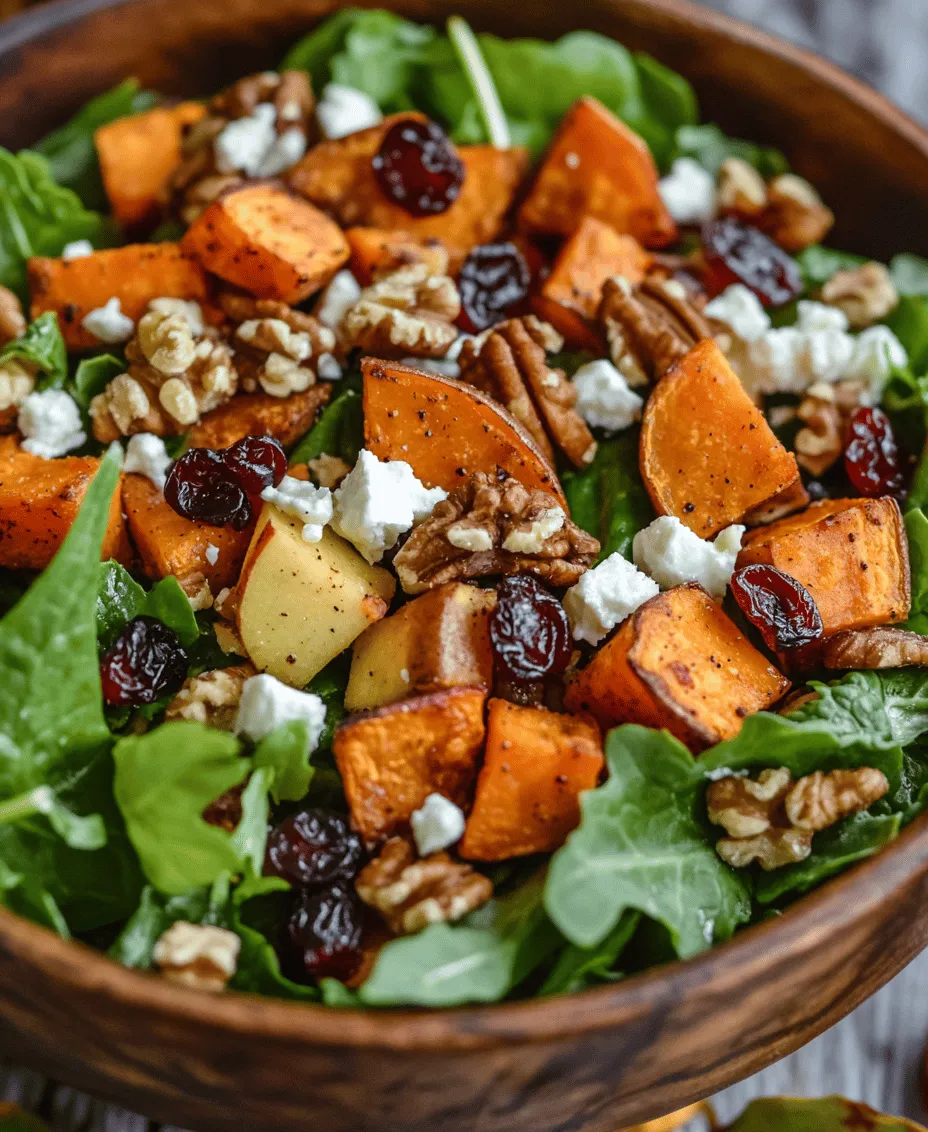
Creating a harmonious salad requires an understanding of how flavors interact. In the Harvest Bowl Salad, the strong flavors of roasted sweet potatoes, tangy apple cider vinaigrette, and earthy greens can be balanced through careful ingredient selection and preparation. Here are some tips:
1. Contrast Sweet and Savory: The sweetness of roasted sweet potatoes pairs beautifully with the tartness of apple cider vinaigrette. When crafting your salad, consider incorporating ingredients like feta cheese or nuts, which add savory and salty notes to balance the sweetness.
2. Incorporate Fresh Herbs: Fresh herbs such as parsley, cilantro, or mint can elevate your salad. They add brightness and complexity, helping to mellow stronger flavors.
3. Textural Variations: Incorporate different textures by mixing crunchy elements (like nuts or seeds) with softer ingredients (like cooked quinoa or roasted vegetables). This will enhance the overall sensory experience of your salad.
4. Layering Flavors: Start with a base of greens and layer other ingredients strategically. This not only improves the aesthetic of the salad but also ensures that each bite contains a balance of flavors.
Preparing the Harvest Bowl Salad
Step-by-Step Instructions
1. Preparing the Sweet Potatoes: Roasting Tips for Optimal Flavor
To achieve perfectly roasted sweet potatoes, follow these steps:
– Preheat the Oven: Set your oven to 425°F (220°C). A hot oven ensures that the sweet potatoes caramelize, developing a rich flavor.
– Cut Uniformly: Peel and dice the sweet potatoes into 1-inch cubes for even cooking. This helps to avoid undercooked pieces.
– Season Generously: Toss the cubes with olive oil, salt, pepper, and optional spices like cinnamon or paprika for added depth. The oil will help the potatoes develop a crispy exterior while roasting.
– Spread Evenly: Arrange the sweet potatoes in a single layer on a baking sheet, ensuring they are not overcrowded. This allows for even roasting and prevents steaming.
– Roast to Perfection: Bake for 25-30 minutes, flipping halfway through, until the sweet potatoes are tender and golden brown.
2. Cooking Quinoa: Common Mistakes to Avoid
Quinoa is a fantastic source of protein and adds a nutty flavor to your salad. To cook quinoa perfectly, keep these tips in mind:
– Rinse Before Cooking: Quinoa has a natural coating called saponin, which can impart a bitter taste. Rinse the grains under cold water for about 2 minutes before cooking.
– Proper Ratio: Use a ratio of 2 cups of water or broth for every 1 cup of quinoa. This ensures the grains cook thoroughly and absorb all the liquid.
– Simmer Gently: Once the water reaches a boil, reduce the heat to low, cover, and simmer for about 15 minutes until the quinoa is fluffy. Avoid lifting the lid during cooking, as this releases steam.
– Let It Rest: After cooking, let the quinoa sit covered for 5 minutes. Then fluff it with a fork to separate the grains.
3. Making the Apple Cider Vinaigrette: Balancing Flavors and Textures
A well-crafted vinaigrette brings the salad together. Here’s how to make a perfect apple cider vinaigrette:
– Basic Ingredients: In a bowl, combine 1/3 cup of apple cider vinegar, 1/2 cup of extra virgin olive oil, 1 tablespoon of Dijon mustard, 1 tablespoon of honey or maple syrup for sweetness, and salt and pepper to taste.
– Whisk It Up: Whisk the ingredients vigorously until they are well combined and emulsified. The mustard acts as an emulsifier, helping oil and vinegar blend smoothly.
– Taste and Adjust: Taste the vinaigrette and adjust the flavors as needed. If it’s too tangy, add a bit more honey; if it’s too sweet, increase the vinegar.
– Storage: Store any leftover vinaigrette in an airtight container in the refrigerator for up to one week. Shake well before using, as the ingredients may separate.
Assembling the Salad
Tips for Layering Ingredients for Aesthetic Appeal
When assembling your Harvest Bowl Salad, consider the visual appeal:
– Start with Greens: Lay a generous foundation of mixed greens or kale at the bottom of your bowl. This will serve as the base for your other ingredients.
– Layer Strategically: Add roasted sweet potatoes, cooked quinoa, and any other ingredients in layers. Arrange in a circular pattern or in sections for a vibrant display of colors.
– Finish with Vinaigrette: Drizzle the apple cider vinaigrette over the top just before serving to maintain the freshness of the ingredients.
Importance of Tossing Ingredients Gently to Maintain Texture
Once your salad is assembled, gently toss the ingredients to combine without bruising the greens. Use a pair of salad tongs or your hands to lift and fold the ingredients, ensuring the vinaigrette coats everything evenly without breaking down the greens.
The Role of Vinaigrette in Salads
Why Vinaigrettes Matter
Vinaigrettes play a crucial role in elevating salads beyond mere vegetable mixes:
– Enhancing Flavors and Nutritional Absorption: A good vinaigrette highlights the flavors of the salad ingredients and can enhance the absorption of fat-soluble vitamins (A, D, E, K) from the vegetables.
– Balancing Acidity and Sweetness: The acidity from vinaigrettes can help cut through the richness of ingredients like nuts or cheese, while sweetness can balance the tartness of vinegar, creating a well-rounded flavor profile.
Variations of Vinaigrette
While apple cider vinaigrette is a delightful choice for this Harvest Bowl Salad, consider these variations for future meals:
– Balsamic Vinaigrette: Substitute balsamic vinegar for apple cider vinegar for a sweeter, richer flavor.
– Lemon Herb Vinaigrette: Combine lemon juice, olive oil, and fresh herbs for a refreshing alternative.
– Creamy Avocado Vinaigrette: Blend ripe avocado with olive oil, lime juice, and a touch of yogurt for a creamy dressing.
– Customize the Vinaigrette: Experiment with different oils (like sesame or walnut oil) and add ins (like garlic or shallots) to customize your vinaigrette according to your taste preferences.
Serving Suggestions
Ideal Occasions for Serving the Harvest Bowl Salad
The Harvest Bowl Salad is versatile and can fit various occasions:
– Lunch or Dinner: Serve it as a main dish for a light lunch or as a side at dinner.
– Potlucks and Gatherings: Its vibrant colors and fresh flavors make it a great addition to potlucks or family gatherings.
– Meal Prep: This salad holds up well in the refrigerator, making it ideal for meal prep. Prepare it in advance for a quick and healthy lunch option throughout the week.
Pairing Ideas with Proteins
To make your Harvest Bowl Salad more filling, consider adding a protein source:
– Grilled Chicken: The smokiness of grilled chicken pairs well with the sweet and tangy flavors of the salad.
– Chickpeas or Black Beans: For a plant-based option, roasted chickpeas or black beans add protein and texture.
– Tofu or Tempeh: Marinated and grilled tofu or tempeh can provide a hearty, vegetarian-friendly protein source.
Serving Size and Portion Control Tips
For a balanced meal, aim for a serving size that includes:
– A handful of greens (about 2 cups).
– 1/2 cup of roasted sweet potatoes.
– 1/2 cup of cooked quinoa.
– Additional toppings (nuts, cheese, fruits) as desired.
Adjust portion sizes based on dietary needs and activity levels, ensuring that the salad remains a satisfying yet light dish.
Health Benefits of the Harvest Bowl Salad
Overview of the Nutritional Profile of the Salad
The Harvest Bowl Salad is not only delicious but also packed with nutrients:
– Sweet Potatoes: A great source of vitamins A and C, fiber, and antioxidants, sweet potatoes are known for their health benefits, including improved vision and immune support.
– Quinoa: This super grain is gluten-free and high in protein, making it an excellent choice for both vegetarians and meat-eaters.
– Greens and Veggies: The base of mixed greens provides essential vitamins, minerals, and dietary fiber, promoting digestive health.
– Healthy Fats: The olive oil in the vinaigrette and nuts (if added) contribute healthy fats, which are essential for overall health.
How This Dish Fits into a Balanced Diet
Including salads like the Harvest Bowl in your diet can contribute to a balanced approach to nutrition. They are low in calories but high in nutrients, making them an excellent option for weight management and healthy eating.
Benefits of Eating Salads Regularly
Regular consumption of salads can lead to numerous health benefits, such as:
– Improved digestion due to high fiber content.
– Increased intake of essential vitamins and minerals.
– Enhanced hydration from the water content of vegetables.
– Better weight management by promoting a sense of fullness.
Conclusion
The Harvest Bowl Salad with apple cider vinaigrette is a celebration of seasonal ingredients and vibrant flavors. This dish not only showcases how delicious and nutritious salads can be but also encourages the exploration of fresh produce. With a balance of textures, colors, and flavors, it brings joy and nourishment to your table.
By taking the time to craft this salad, you’re not just preparing a meal; you’re creating a healthy, satisfying experience. Embrace the versatility of this recipe, customizing it with your favorite ingredients and dressings as the seasons change. Enjoy the process of making and savoring this wholesome dish, and discover the joy of creating and enjoying healthy meals at home.