
Introduction to Greek Stuffed Peppers
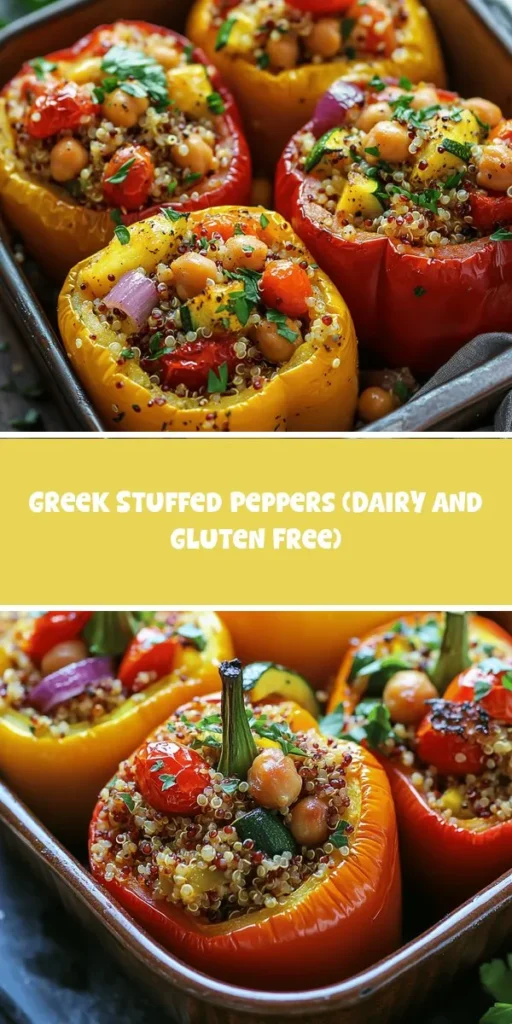
Greek stuffed peppers, or “gemista,” are a vibrant and wholesome dish that embodies the essence of Greek cuisine. This dish is not just a meal; it is a celebration of flavors, textures, and colors that reflect the Mediterranean lifestyle. Traditionally, Greek stuffed peppers are filled with a savory mixture of rice, meats, and aromatic spices, but in recent years, variations incorporating healthy ingredients like quinoa and chickpeas have become increasingly popular. This adaptation not only enhances the nutritional profile of the dish but also caters to a wide range of dietary preferences, making it a versatile option for family dinners or gatherings.
The cultural significance of stuffed peppers extends beyond their delicious taste; they symbolize the resourceful nature of Greek cooking, where seasonal vegetables are transformed into hearty meals. In Greece, preparing stuffed peppers is often a communal activity, bringing friends and family together in the kitchen. Each region boasts its own twist on the dish, showcasing local ingredients and cooking traditions.
Moreover, this dish is a powerhouse of health benefits. The primary ingredients—quinoa, chickpeas, and fresh vegetables—are rich in nutrients that support overall well-being. Quinoa, often dubbed a superfood, is a complete protein that provides essential amino acids, making it a fantastic choice for vegetarians and vegans. Chickpeas add a hearty texture and are packed with fiber, which aids digestion and promotes a feeling of fullness. Together, these ingredients create a nutritious and satisfying meal that appeals to health-conscious eaters.
Understanding the Ingredients
To create the perfect Greek stuffed peppers, understanding the core ingredients is essential. Let’s take a closer look at what makes this dish not only delicious but also incredibly nutritious.
Bell Peppers: Varieties and Health Benefits
Bell peppers are the star of this dish, serving as both the vessel and a key ingredient. They come in various colors—red, yellow, green, and orange—each offering a slightly different flavor profile and nutritional benefits. Red bell peppers are the sweetest and most nutrient-dense, packed with vitamins A and C, while green peppers have a more bitter taste and are lower in calories.
From a health perspective, bell peppers are an excellent source of antioxidants, particularly vitamin C, which supports the immune system and promotes healthy skin. They are also low in calories and high in fiber, making them a great choice for those looking to maintain a healthy weight. When selecting bell peppers for your stuffed pepper recipe, opt for firm, shiny peppers with no blemishes or soft spots to ensure the best flavor and texture.
Quinoa: Nutritional Profile and Cooking Tips
Quinoa is a gluten-free grain that has gained immense popularity in health circles due to its impressive nutritional profile. It is rich in protein, fiber, vitamins, and minerals, making it a superb addition to any dish. Quinoa contains all nine essential amino acids, making it one of the few plant-based complete proteins. This quality makes it particularly appealing for those on vegetarian or vegan diets.
Cooking quinoa is relatively simple but requires attention to detail to achieve the perfect texture. Rinse the quinoa under cold water before cooking to remove its natural coating, called saponin, which can impart a bitter taste. The typical cooking ratio is 1 cup of quinoa to 2 cups of water. Bring the water to a boil, add the quinoa, reduce the heat, and simmer for about 15 minutes or until the grains become fluffy and translucent. Once cooked, fluff the quinoa with a fork to separate the grains, enhancing its light texture in the stuffed peppers.
Chickpeas: Health Benefits and Culinary Uses
Chickpeas, or garbanzo beans, are another staple ingredient in Greek cuisine that adds both nutrition and heartiness to the stuffed peppers. Rich in protein, fiber, and essential vitamins and minerals such as folate and iron, chickpeas can help regulate blood sugar levels and support digestive health. Their versatility makes them a favorite in various dishes, from salads to stews, and they can be easily incorporated into vegetarian and vegan meals.
For this recipe, canned chickpeas work well for convenience, but dried chickpeas can also be used. If using dried chickpeas, they should be soaked overnight and then cooked until tender. To enhance their flavor, consider roasting them with spices or herbs before adding them to the filling mixture.
Fresh Herbs: The Role of Parsley and Mint in Greek Cooking
Fresh herbs play a crucial role in Greek cooking, infusing dishes with vibrant flavors and aromas. For stuffed peppers, parsley and mint are often used, complementing the other ingredients beautifully. Parsley adds a fresh, slightly peppery flavor, while mint contributes a refreshing and aromatic note that elevates the dish to new heights.
When using fresh herbs, it’s essential to chop them finely to ensure even distribution throughout the filling. This not only enhances the overall taste but also adds a pop of color to the dish. If you want to experiment, consider adding other herbs like dill or oregano for a unique twist that reflects your personal taste.
Discussion of Optional Ingredients and Substitutions
One of the beauties of stuffed peppers is their adaptability. While the core ingredients—bell peppers, quinoa, chickpeas, and fresh herbs—create a solid foundation, you can customize the recipe based on what you have on hand or your dietary needs.
For instance, if you’re looking for a heartier filling, consider adding diced tomatoes or sautéed spinach. If you want to incorporate more protein, you could mix in cooked ground turkey or beef. For a vegan option, adding black beans or lentils could provide a similar protein punch.
If quinoa isn’t readily available, other grains such as brown rice or farro can serve as suitable substitutes, each bringing its unique flavor and texture. Experimenting with different ingredients allows you to create a dish that reflects your culinary preferences while still celebrating the essence of Greek stuffed peppers.
The Cooking Process
Now that we’ve explored the ingredients, it’s time to dive into the cooking process. Preparation is key to achieving the perfect stuffed peppers, so let’s break down the steps involved.
Importance of Preparation and Mise en Place
Before you begin cooking, it’s crucial to have all your ingredients prepped and ready to go. This practice, known as mise en place, ensures a smooth cooking experience and helps prevent any last-minute scrambling. Start by washing and drying your bell peppers, cooking your quinoa, and chopping your vegetables and herbs. Having everything organized not only makes the cooking process more efficient but also allows you to focus on creating a beautifully balanced dish.
Step-by-Step Breakdown of the Cooking Process
1. Preheating the Oven: Start by preheating your oven to 375°F (190°C). Preheating is essential as it ensures that your stuffed peppers cook evenly and thoroughly. A well-heated oven helps to achieve that perfect tender texture while allowing the flavors to meld beautifully.
2. Cooking Quinoa: Rinse your quinoa under cold water to remove any bitterness. In a medium saucepan, combine 1 cup of quinoa with 2 cups of water and a pinch of salt. Bring to a boil, then reduce the heat to low, cover, and simmer for about 15 minutes. Once the quinoa is fluffy, remove it from the heat and let it sit covered for an additional 5 minutes before fluffing it with a fork.
3. Sautéing Vegetables: In a large skillet, heat a tablespoon of olive oil over medium heat. Add diced onions and sauté until they become translucent, about 5 minutes. Next, add minced garlic and any other vegetables you choose, such as diced zucchini or carrots, and cook for an additional 3-4 minutes. This step is crucial for developing deep flavors; the goal is to create a fragrant base that complements the filling.
4. Mixing the Filling: In a large mixing bowl, combine the cooked quinoa, sautéed vegetables, drained and rinsed chickpeas, chopped fresh herbs, and any optional ingredients you desire. Season the mixture with salt, pepper, and a splash of lemon juice to brighten the flavors. Mix well to ensure that all ingredients are evenly distributed, creating a cohesive and flavor-packed filling.
Stuffing the Peppers
Once your filling is ready, it’s time to prepare the bell peppers for stuffing.
Techniques for Preparing Bell Peppers for Stuffing
1. Cutting and Cleaning the Peppers: Start by slicing the tops off the bell peppers, about an inch from the stem. This creates a lid that can be set aside for later. Next, use a spoon to scoop out the seeds and membranes from the inside of the peppers, creating a clean cavity for the filling. Be gentle during this process to avoid damaging the peppers. If desired, you can also lightly trim the bottom of the peppers to create a flat surface, ensuring they stand upright in the baking dish.
2. Finishing Touches: After cleaning the peppers, you may want to drizzle a little olive oil inside each pepper and season with salt and pepper. This step enhances the flavor and helps the peppers roast beautifully in the oven.
Now that your ingredients are prepared and your peppers are ready, you’re just a few steps away from assembling and baking these delightful Greek stuffed peppers. Stay tuned for the next part, where we’ll delve into the final steps of stuffing, baking, and serving this delectable dish!
Ensuring Structural Integrity: How to Make Them Stand
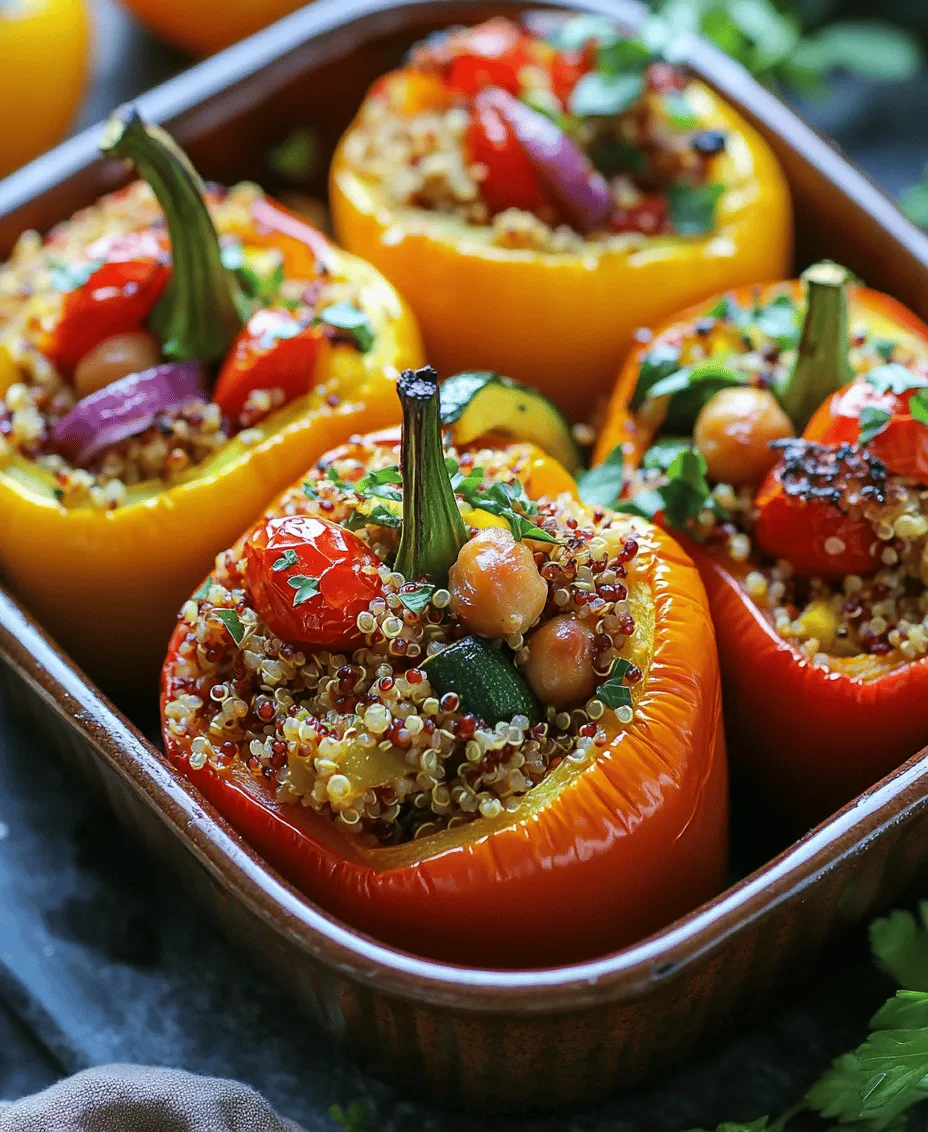
One of the most important aspects of preparing Greek stuffed peppers is ensuring they maintain their shape during cooking. To achieve this, start with firm, fresh bell peppers—opt for colors like green, yellow, or red, depending on your preference. When selecting your peppers, look for ones that are unblemished and have a smooth surface. If you find that your peppers are top-heavy and struggle to stand upright, a simple trick is to slice a thin layer off the bottom to create a flat base. Just be cautious not to slice too deeply; you want to maintain enough of the pepper to hold the filling.
Another method to ensure stability is to place the stuffed peppers in a baking dish that allows them to fit snugly together. This will help support the peppers, preventing them from tipping over. Additionally, if you have leftover stuffing, consider placing it around the peppers in the baking dish. This not only adds flavor but also provides extra support, ensuring that each pepper stands tall and proud during baking.
Creative Ways to Stuff Peppers: Variations and Personal Touches
While the classic Greek stuffing of quinoa, chickpeas, tomatoes, and herbs is delicious, there are countless ways to personalize your stuffed peppers. Here are some creative variations to consider:
1. Protein Boost: Incorporate ground turkey or beef into your stuffing mix for a heartier meal. The meat pairs well with the Mediterranean flavors and adds an additional layer of richness.
2. Cheesy Goodness: Mix feta cheese into the stuffing or sprinkle it on top before baking for a delightful salty bite. Alternatively, use mozzarella for a gooey, melty topping.
3. Herb Infusion: Experiment with different herbs and spices. Adding fresh dill or mint can elevate the flavor profile and bring a refreshing twist to your dish.
4. Vegetable Medley: Add finely chopped vegetables such as zucchini, spinach, or mushrooms to the stuffing for added nutrition and texture. This not only enhances the flavor but also makes the dish even more colorful.
5. Grains Galore: Swap quinoa for other grains like brown rice, farro, or couscous. Each grain will impart its unique flavor and texture, allowing you to customize the experience.
Baking the Stuffed Peppers
The Science Behind Baking: How Heat Affects the Ingredients
Baking stuffed peppers is not only about cooking the ingredients but also about developing flavors and textures. When you place the stuffed peppers in the oven, the heat causes the peppers to soften, while the filling cooks through. The moisture from the ingredients steams the peppers from the inside, enhancing their tenderness while the exterior caramelizes slightly.
The Maillard reaction, which occurs when proteins and sugars in the food react under heat, also plays a crucial role in developing rich flavors. This is why a well-cooked stuffed pepper is not only tender but also bursting with savory goodness.
Importance of Covering and Uncovering During Baking
Baking stuffed peppers requires a careful balance between covering and uncovering them. Initially, cover the baking dish with aluminum foil to trap steam, which helps the peppers cook evenly and prevents them from drying out. Bake them covered for the first 30 minutes to allow the filling to heat through and the peppers to begin softening.
After 30 minutes, remove the foil to allow the tops to brown and develop a slight crispness. This uncovered phase typically lasts an additional 15-20 minutes, giving the dish a beautiful golden finish.
Visual Cues for Doneness: What to Look for When Your Peppers Are Ready
Knowing when your stuffed peppers are done is key to achieving the perfect dish. Look for several visual cues:
– Color: The peppers should have a vibrant, slightly caramelized exterior. If they appear dull or overly wrinkled, they may be overcooked.
– Tenderness: A fork should easily pierce through the flesh of the pepper without much resistance. If you encounter a lot of firmness, they likely need more time.
– Filling Temperature: The stuffing should be hot throughout. If you have a food thermometer, the internal temperature should reach at least 165°F (74°C) for food safety.
Serving Suggestions
Presentation Ideas for Stuffed Peppers
When it comes to serving your Greek stuffed peppers, presentation can make a significant difference. Here are some ideas:
– Plate with Style: Serve the peppers on a colorful platter, garnished with fresh herbs such as parsley or dill. A sprinkle of feta cheese on top adds an attractive touch.
– Add Color: Surround the stuffed peppers with a vibrant salad of mixed greens, cherry tomatoes, and cucumber slices for a refreshing contrast.
– Sauce It Up: Drizzle with a homemade tzatziki sauce or a simple yogurt dressing on the side for added flavor and a creamy texture.
Complementary Side Dishes That Enhance the Meal
To create a well-rounded meal, consider these complementary side dishes:
– Greek Salad: A classic combination featuring fresh cucumbers, tomatoes, olives, and feta cheese, dressed in olive oil and lemon juice.
– Roasted Potatoes: Lemon and herb-infused roasted potatoes make for a hearty side that pairs beautifully with stuffed peppers.
– Grilled Vegetables: A medley of grilled zucchini, eggplant, and asparagus can add depth and variety to your meal.
Pairing Suggestions: Best Beverages to Serve with Greek Stuffed Peppers
When it comes to beverages, the right pairing can elevate the dining experience. Here are some suggestions:
– Wine: A crisp, dry white wine such as Assyrtiko or a light red like Agiorgitiko complements the flavors of the dish beautifully.
– Cocktails: A refreshing mojito or a classic gin and tonic can provide a nice burst of flavor that pairs well with the Mediterranean essence of the stuffed peppers.
– Non-Alcoholic Options: For a non-alcoholic choice, consider serving sparkling water with a splash of lemon or a refreshing iced tea infused with mint.
Health Benefits of Greek Stuffed Peppers
Nutritional Analysis of the Dish
Greek stuffed peppers are not only delicious but also packed with nutrients. A typical serving contains a wealth of vitamins and minerals thanks to the array of ingredients used:
– Bell Peppers: Rich in vitamins A and C, bell peppers are also a good source of dietary fiber and antioxidants.
– Quinoa: As a complete protein, quinoa is an excellent source of amino acids, fiber, and various vitamins and minerals.
– Chickpeas: These legumes are high in protein, fiber, and essential nutrients, contributing to heart health and digestive wellness.
Benefits of a Plant-Based Diet Featuring Ingredients Like Quinoa and Chickpeas
Incorporating plant-based ingredients like quinoa and chickpeas into your diet offers numerous health benefits. These foods are known to:
– Support Weight Management: High fiber content helps keep you full longer, reducing the likelihood of overeating.
– Improve Heart Health: The fiber and healthy fats in these ingredients can help lower cholesterol levels and reduce the risk of heart disease.
– Boost Energy Levels: Complex carbohydrates provide sustained energy without the crash associated with refined sugars.
Discussion on Incorporating Stuffed Peppers into a Balanced Diet
Greek stuffed peppers can easily fit into a balanced diet. They are versatile and can be modified to suit various dietary needs, whether vegetarian, vegan, or omnivorous. By adjusting the stuffing ingredients, you can create a dish that aligns with your nutritional goals while enjoying the rich flavors of Greek cuisine.
Cultural Significance and Variations of Stuffed Peppers
Overview of Stuffed Peppers in Different Cuisines
Stuffed peppers have a long-standing presence in numerous cuisines around the world. From the classic Italian “peperoni ripieni” to the Middle Eastern “dolma,” these dishes vary in ingredients and preparation methods but all share the concept of flavorful fillings enveloped in tender peppers.
Greek Variations and Regional Differences
In Greece, stuffed peppers might be filled with rice, meat, or a combination of both, depending on the region. Some areas may incorporate traditional spices like cinnamon or allspice, while others may favor fresh herbs. The beauty of Greek stuffed peppers lies in their adaptability to local tastes and seasonal ingredients.
Personal Anecdotes or Cultural Stories Related to the Dish
For many families, stuffed peppers hold sentimental value, often associated with gatherings and celebrations. Sharing stories around the dinner table while enjoying this dish can create lasting memories. Many Greek families have their secret recipes passed down through generations, each adding their unique twist, making the dish not just a meal but a significant cultural experience.
Conclusion: The Joy of Cooking Greek Stuffed Peppers
Greek stuffed peppers embody the essence of Mediterranean cuisine: vibrant flavors, fresh ingredients, and a sense of community. Beyond their health benefits, these stuffed delights represent the beauty of sharing meals with family and friends, creating connections through food.
As you explore this recipe, don’t hesitate to unleash your creativity. Whether you stick to the traditional filling or venture into new flavor territories, stuffed peppers offer a canvas for culinary expression. So gather your ingredients, invite loved ones to join you in the kitchen, and relish the joy of creating and sharing this delightful dish. Cooking is not just about feeding the body; it’s about nourishing the soul and fostering relationships. Enjoy every bite!