
Introduction
In recent years, salmon bowls have surged in popularity, becoming a staple in contemporary cuisine. These vibrant and nutritious meals are not just a feast for the palate but also a visual delight, showcasing a harmonious blend of colors and textures. The crispy salmon paired with a medley of fresh ingredients creates an unforgettable dining experience that is both satisfying and health-conscious.
The appeal of a crispy salmon and rice bowl lies in its versatility; it can be customized to suit individual tastes and dietary preferences. Whether you are a seasoned chef or a cooking novice, this recipe is crafted to guide you through the process of creating a wholesome and delicious meal right in the comfort of your own kitchen. With the perfect balance of rich flavors, fresh produce, and a satisfying crunch, you can expect to impress yourself and your guests alike.
In this article, we will delve into the essential ingredients that make this dish shine, guide you through the preparation of sushi rice, and teach you how to cook the salmon to perfection. Get ready to embark on a culinary journey that will elevate your dining experience!
Understanding the Ingredients
Key Ingredients and Their Significance
To create a mouthwatering crispy salmon and rice bowl, it is vital to understand the role of each ingredient. The following are the key components that contribute to the dish’s flavor profile and nutritional value:
1. Salmon: This rich, fatty fish is not only delicious but also packed with health benefits. Salmon is an excellent source of omega-3 fatty acids, which are known to support heart health and cognitive function. When choosing salmon for this recipe, skin-on fillets are preferred. The skin adds an extra layer of texture and flavor, and when cooked properly, it becomes irresistibly crispy while keeping the flesh moist.
2. Sushi Rice: Unlike regular rice, sushi rice is a short-grain variety that has a sticky texture when cooked. This stickiness is essential for holding the rice together, making it easier to form a base for the salmon and other toppings. Sushi rice is also seasoned with a mixture of rice vinegar, sugar, and salt, enhancing its flavor and making it the perfect complement to the savory elements of the bowl.
3. Fresh Vegetables: The addition of fresh vegetables not only boosts the nutritional profile of the dish but also adds vibrancy and crunch. Common choices include avocado, cucumber, and radishes. Avocado contributes creaminess, while cucumber adds a refreshing crunch. Radishes bring a peppery bite that contrasts beautifully with the richness of the salmon.
4. Flavor Enhancers: To elevate the dish further, consider incorporating flavor enhancers like rice vinegar, soy sauce, and spicy mayonnaise. Rice vinegar adds a tangy brightness, soy sauce imparts umami depth, and spicy mayonnaise introduces a creamy, flavorful kick. These elements work together to create a well-rounded flavor experience.
By carefully selecting high-quality ingredients, you set the foundation for a delicious and satisfying meal that is both nourishing and indulgent.
Preparation of Sushi Rice
Cooking sushi rice is a crucial step in preparing your crispy salmon and rice bowl. The texture and flavor of the rice can significantly impact the overall dish, so it’s essential to follow a few key steps to achieve the best results.
Step-by-Step Guide to Cooking Sushi Rice
1. Rinse the Rice: Start by measuring out the sushi rice, typically about 1-2 cups depending on the number of servings. Place the rice in a fine-mesh sieve or a bowl, and rinse it under cold water. This process is vital as it removes excess starch, preventing the rice from becoming gummy. Rinse until the water runs clear, indicating that most of the starch has been washed away.
2. Soak the Rice: After rinsing, transfer the rice to a bowl and cover it with water. Let it soak for about 30 minutes. Soaking helps to achieve the desired texture, allowing the grains to absorb moisture and cook evenly.
3. Cook the Rice: Drain the soaked rice and transfer it to a rice cooker or a pot. Add the appropriate amount of water—typically, the ratio is 1 cup of rice to 1.2 cups of water. If using a rice cooker, simply follow the manufacturer’s instructions. If cooking on the stovetop, bring the water to a boil, then reduce the heat to low, cover the pot, and let it simmer for about 18-20 minutes.
4. Let the Rice Rest: Once the rice is cooked, remove it from heat and let it sit covered for an additional 10-15 minutes. This resting period allows the rice to continue steaming, resulting in a fluffier texture.
Crafting the Vinegar Mixture
While the rice is resting, it’s time to prepare the vinegar mixture that will season the sushi rice. This mixture typically consists of rice vinegar, sugar, and salt. Here’s how to craft it:
1. Combine Ingredients: In a small saucepan, combine 1/4 cup of rice vinegar, 2 tablespoons of sugar, and 1 teaspoon of salt.
2. Heat Gently: Place the saucepan over low heat and stir until the sugar and salt dissolve completely. There’s no need to bring it to a boil; just ensure that everything is well combined.
3. Cool the Mixture: Remove the saucepan from heat and allow the vinegar mixture to cool slightly.
Mixing the Rice
Once the rice has finished resting and the vinegar mixture is ready, you can proceed to mix the two:
1. Transfer Rice to a Bowl: Gently transfer the cooked sushi rice to a large wooden or glass bowl. Avoid using metal bowls, as they can react with the vinegar.
2. Add Vinegar Mixture: Drizzle the cooled vinegar mixture over the rice while it’s still warm.
3. Gently Fold: Using a wooden spatula or rice paddle, gently fold the vinegar into the rice. Be careful not to mash the grains; the goal is to coat them evenly without losing their texture.
4. Fan the Rice: For an authentic touch, you can fan the rice as you mix. This helps to cool it down quickly and gives it a glossy finish.
By following these steps, you’ll have perfectly seasoned sushi rice that serves as the ideal base for your crispy salmon and rice bowl.
Cooking the Salmon to Perfection
The star of this dish is undoubtedly the crispy salmon. Cooking it to perfection requires a few simple yet crucial techniques.
Preparing the Salmon
1. Choosing the Right Cut: Start with skin-on salmon fillets for the best flavor and texture. Look for fresh, high-quality salmon at your local fish market or grocery store.
2. Dry the Salmon: Before cooking, pat the salmon fillets dry with paper towels. This step is essential for achieving a crispy skin. Moisture on the surface of the fish will steam it rather than sear it, preventing that coveted crunch.
3. Seasoning: Season both sides of the fillets with salt and pepper. You can also add a sprinkle of garlic powder or smoked paprika for added flavor, but keep it simple to allow the natural taste of the salmon to shine.
Cooking Techniques
1. Preheat the Skillet: Heat a non-stick skillet or cast-iron pan over medium-high heat. It’s crucial to get the skillet hot before adding the salmon, as this helps to create a crispy exterior.
2. Add Oil: Once the skillet is hot, add a tablespoon of high smoke point oil, such as vegetable oil or avocado oil. Swirl the oil around to ensure it coats the bottom of the skillet.
3. Sear the Salmon: Carefully place the salmon fillets skin-side down in the skillet. Press down gently with a spatula for a few seconds to ensure even contact with the pan. Allow the salmon to cook undisturbed for about 4-5 minutes. You should see the edges starting to turn opaque.
4. Flip the Salmon: Once the skin is crispy and golden brown, use a spatula to flip the fillets over. Cook for an additional 2-3 minutes until the salmon is cooked through but still moist. The internal temperature should reach 145°F (63°C).
5. Rest the Salmon: Once cooked, remove the salmon from the skillet and let it rest for a few minutes. This resting period allows the juices to redistribute, ensuring a tender and flavorful bite.
By mastering the art of cooking salmon, you’ll create a beautifully crispy and flavorful centerpiece for your rice bowl.
—
In the next part of this article, we will explore how to assemble the crispy salmon and rice bowl, along with tips for garnishing and serving to create a visually stunning and delicious meal. Stay tuned for more culinary insights and deliciousness!
Techniques for Achieving Crispy Skin While Ensuring the Salmon Remains Moist Inside
To achieve that coveted crispy skin on your salmon while keeping the flesh tender and moist, mastering a few techniques is crucial. Start by selecting skin-on salmon fillets, which not only provide a delightful crunch but also help retain moisture during cooking.
1. Pat the Skin Dry: Before cooking, ensure the skin is extremely dry. Use paper towels to pat the skin thoroughly. Moisture is the enemy of crispiness, so this step is essential.
2. Use High Heat: Preheat your frying pan or skillet over medium-high heat. A hot surface will help render the fat in the skin quickly, leading to a crispy texture.
3. Add Oil and Seasoning: Once the pan is hot, add a tablespoon of high smoke point oil, such as canola or avocado oil. Season the skin side of the salmon with salt and pepper. The salt will draw out moisture and further enhance crispiness.
4. Sear Skin Side Down: Place the salmon in the pan skin-side down. Press gently with a spatula for the first few seconds to ensure even contact with the skillet. This step helps to prevent the fillet from curling.
5. Cook Through: Allow the salmon to cook for about 4-5 minutes without moving it, until the skin is golden brown and crispy. To ensure the salmon cooks evenly, you can slightly lower the heat after the skin has crisped up. Flip the fillet carefully and cook for another 2-3 minutes on the flesh side, or until the salmon reaches your desired doneness.
Tips for Determining When the Salmon is Perfectly Cooked and Flaky
Knowing when your salmon is perfectly cooked can be tricky, but there are several indicators that can help you achieve the ideal texture:
1. Color Change: The salmon should transition from a translucent red or raw appearance to an opaque pink.
2. Flakiness Test: Use a fork to gently press on the thickest part of the fillet. If it flakes easily and appears moist, it’s ready to be removed from the heat.
3. Internal Temperature: For those with a meat thermometer, the internal temperature of the salmon should reach 145°F (63°C) for safe consumption. However, many chefs recommend pulling it off the heat at around 125°F (52°C) for a slightly rare and more tender result.
4. Residual Heat: Keep in mind that the salmon will continue to cook slightly even after being removed from the heat due to residual heat, so it’s okay to undercook it just a tad.
Assembling the Crispy Salmon and Rice Bowl
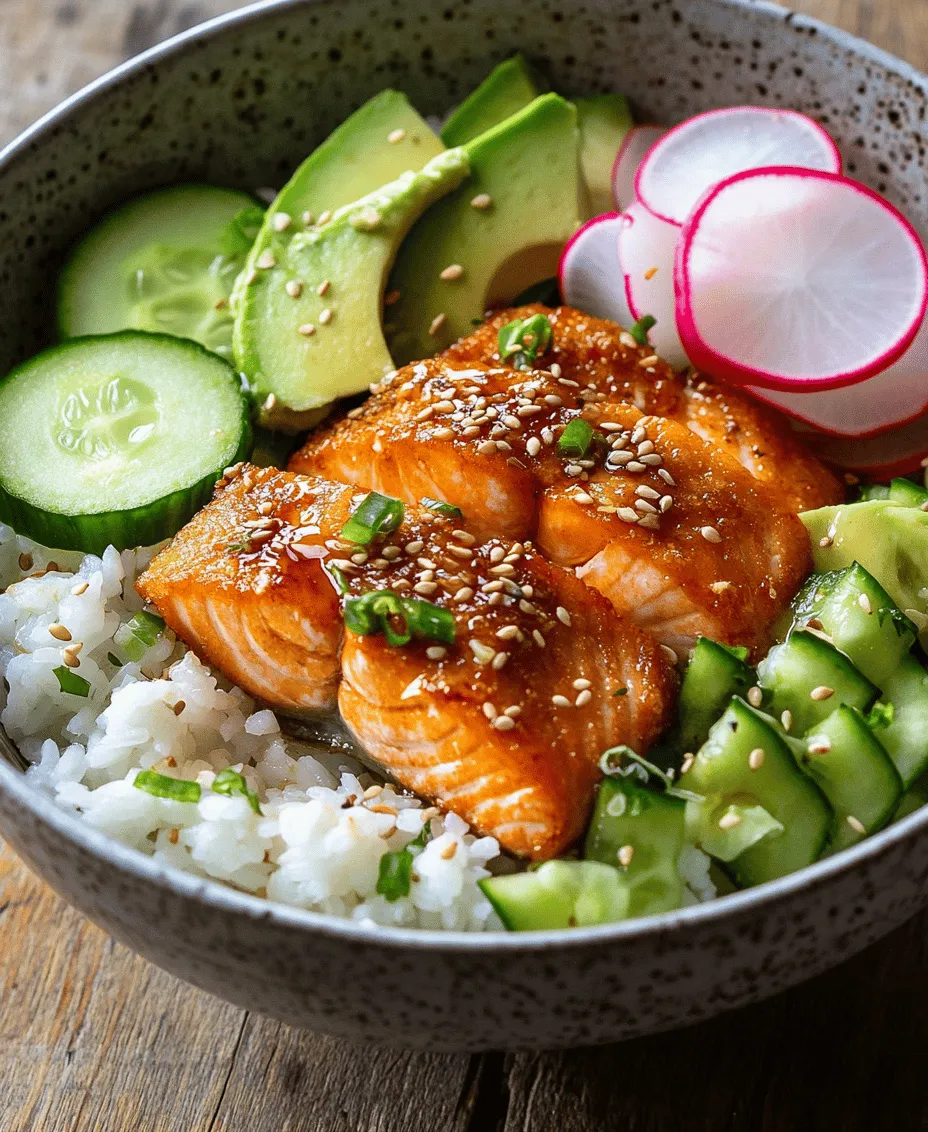
Now that you have cooked your salmon to perfection, it’s time to assemble your crispy salmon and rice bowl. Presentation is key in creating a visually appealing dish, and balancing flavors and textures will elevate your meal.
Visual Presentation: Arranging Ingredients for Aesthetic Appeal
1. Start with the Base: Begin by placing a generous scoop of sushi rice at the bottom of your bowl. Use a rice paddle or spoon to create a small mound.
2. Layer the Salmon: Next, slice your crispy salmon fillet into thick pieces and arrange them artfully on top of the rice. You can fan them out or stack them slightly for an elegant look.
3. Add Vegetables: Incorporate a variety of colorful vegetables around the salmon. Thinly sliced cucumbers, shredded carrots, and radishes add freshness and crunch, while also offering a burst of color.
4. Include Avocado: Slice an avocado and add it to the bowl. The creamy texture of avocado complements the crispy salmon beautifully.
5. Drizzle the Sauce: Finish off the bowl with a drizzle of your preferred sauce, be it teriyaki, spicy mayo, or a tangy ponzu.
Importance of Balancing Flavors and Textures in the Bowl
A well-constructed salmon bowl should balance flavors and textures. Aim for a combination of:
– Crispiness: The crispy salmon skin and fresh vegetables provide a satisfying crunch.
– Creaminess: The avocado adds a rich, creamy element to the dish.
– Umami: Sauces like soy sauce or miso enhance the savory depth of the bowl.
– Freshness: Fresh herbs, such as cilantro or green onions, can be sprinkled on top for added freshness and flavor.
Suggestions for Portioning to Make Two Satisfying Servings
To make two satisfying servings of the crispy salmon and rice bowl, it’s essential to portion your ingredients thoughtfully:
– Rice: Aim for about 3/4 cup of cooked sushi rice per bowl, which offers a substantial base.
– Salmon: Divide a single fillet or use two smaller fillets, allowing each serving to have around 4-5 ounces of salmon.
– Vegetables: Use about 1/2 cup of mixed vegetables per bowl, ensuring a good variety for taste and texture.
– Avocado: Half an avocado per bowl adds richness without overwhelming the dish.
Garnishing and Serving Suggestions
The finishing touches on your crispy salmon and rice bowl can elevate its presentation and flavor profile. Consider these creative garnishing and serving suggestions:
Creative Ways to Drizzle Sauces and Enhance Overall Presentation
– Sauce Control: Use a squeeze bottle or a small whisk to create beautiful patterns with your sauce. A simple drizzle across the salmon and rice can create an appealing visual effect.
– Layered Sauces: Consider using multiple sauces for complexity; a spicy mayo and a sweet teriyaki can complement each other beautifully.
Exploring Optional Garnishes like Pickled Ginger
Pickled ginger is not only a classic accompaniment to sushi but also a wonderful addition to your salmon bowl. It provides a sharp, tangy contrast that can cut through the richness of the salmon and avocado.
– Other Garnish Ideas: Sesame seeds, chopped scallions, or microgreens can also add a pop of color and texture.
Suggestions for Pairing the Salmon Bowl with Beverages
Pairing your crispy salmon and rice bowl with beverages can enhance the dining experience. Consider the following options:
– Green Tea: A warm cup of green tea complements the flavors of the salmon and aids digestion.
– Sake: For a more authentic experience, serve the bowl with a chilled glass of sake, which enhances umami flavors.
– Light White Wine: A crisp Sauvignon Blanc or a dry Riesling can also be excellent choices to balance the richness of the dish.
Nutritional Benefits of the Crispy Salmon and Rice Bowl
The crispy salmon and rice bowl is not only a feast for the senses but also offers a range of nutritional benefits, making it a healthy meal option.
Overview of the Health Benefits of Consuming Salmon and Fresh Vegetables
Salmon is renowned for its health benefits, particularly its high content of omega-3 fatty acids, which are crucial for heart and brain health. Regular consumption of salmon has been linked to reduced inflammation, improved mood, and better cognitive function.
The fresh vegetables included in the bowl provide essential vitamins and minerals. For example, cucumbers are hydrating, while carrots are rich in beta-carotene, promoting good vision and skin health.
Discussion on the Nutritional Profile of Sushi Rice
Sushi rice, typically seasoned with rice vinegar, sugar, and salt, offers a good source of carbohydrates, providing energy for your day. While it is higher in sugar and sodium compared to plain rice, it is a part of a balanced meal when combined with protein and vegetables.
Highlighting the Importance of Healthy Fats from Avocado and Omega-3 Fatty Acids in Salmon
Avocados are an excellent source of healthy monounsaturated fats, which can help reduce bad cholesterol levels and lower the risk of heart disease. The combination of omega-3 fatty acids from salmon and healthy fats from avocado ensures that your dish is not only delicious but also nourishing.
Conclusion
In conclusion, the crispy salmon and rice bowl is a delightful harmony of flavors and textures, offering a satisfying and nutritious meal that can easily be prepared at home. The techniques for achieving perfectly crispy salmon skin while ensuring the flesh remains moist create a dish that is both impressive and approachable.
With the ability to customize your bowl with various toppings, sauces, and garnishes, you can make this recipe your own. Whether you’re enjoying it for lunch or dinner, this dish promises to please your palate and nourish your body.
So gather your ingredients, follow the steps, and enjoy the process of creating a beautiful, balanced meal. Feel free to experiment with variations or additional toppings to personalize your crispy salmon and rice bowl experience. Happy cooking!