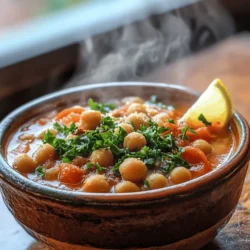

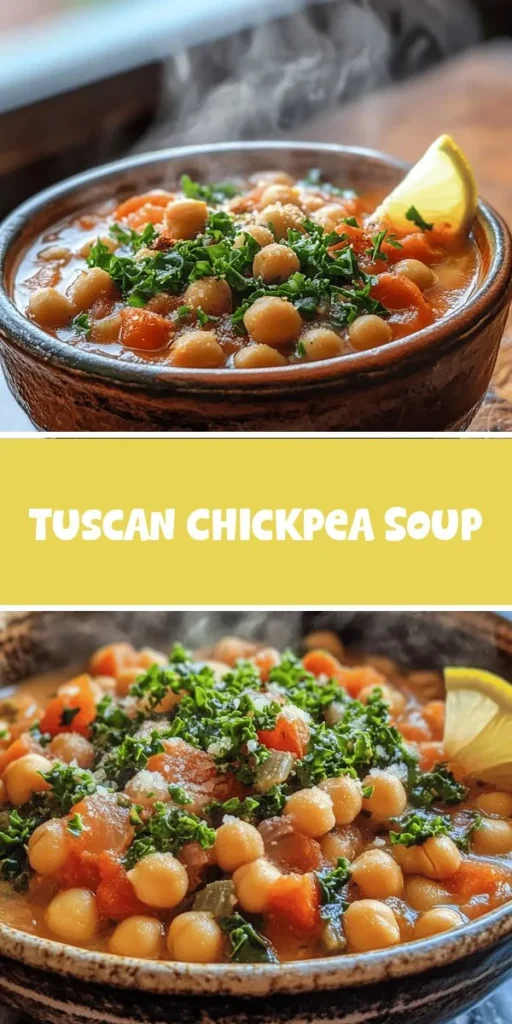
Tuscan Chickpea Soup is more than just a meal; it is a warm embrace on a chilly day, a testament to the rich culinary heritage of Italy, and a celebration of wholesome, nourishing ingredients. This delightful soup hails from the picturesque region of Tuscany, known for its rustic yet flavorful dishes that prioritize fresh, local produce. The origins of Tuscan cuisine are deeply rooted in the peasant traditions of the past, where simple ingredients were transformed into hearty meals. This soup embodies that philosophy, showcasing how humble chickpeas and vegetables can come together to create a fulfilling and flavorful dish.
Chickpeas, the star ingredient of this soup, have long held a prominent place in Mediterranean cuisine. Also known as garbanzo beans, these legumes are not only versatile but also brimming with health benefits. Packed with protein, fiber, and essential nutrients, chickpeas are a fantastic choice for anyone looking to enhance their diet. They play a crucial role in maintaining digestive health, stabilizing blood sugar levels, and supporting heart health. With the rising popularity of plant-based diets, chickpeas have become a staple in many households, providing a satisfying and nutritious alternative to meat.
The beauty of Tuscan Chickpea Soup lies in its simplicity and the health benefits of its ingredients. Each component contributes not only to the flavor but also to the nutritional profile of the dish. From the aromatic vegetables to the vibrant greens, this soup is a powerhouse of vitamins and minerals. The combination of chickpeas, vegetables, and herbs creates an inviting dish that is as nourishing as it is delicious, making it a perfect choice for any meal of the day.
Understanding the Heart of Tuscan Chickpea Soup
At the heart of Tuscan Chickpea Soup is the chickpea, a staple ingredient that has been enjoyed for centuries. Chickpeas are not only a rich source of protein and fiber but also packed with vitamins and minerals such as iron, magnesium, and folate. Their nutty flavor and creamy texture make them an ideal base for soups, stews, and salads. In addition, chickpeas are incredibly versatile; they can be used whole, mashed, or even blended into a smooth hummus, making them a favorite in various cuisines around the world.
In this soup, chickpeas serve as the backbone, providing a satisfying bite and a source of sustenance. They are complemented by a medley of vegetables, including onions, garlic, carrots, and celery, which form the aromatic base of the dish. Each of these vegetables contributes its own unique flavor profile, enhancing the overall depth of the soup. Onions and garlic add sweetness and aromatic notes, while carrots and celery introduce earthiness and crunch. Together, they create a symphony of flavors that form the foundation of this Tuscan delight.
Moreover, the choice of herbs and spices in Tuscan Chickpea Soup plays a pivotal role in elevating the dish to new heights. Fresh herbs like rosemary, thyme, and parsley not only enhance the flavor but also add a touch of authenticity that is characteristic of traditional Tuscan cooking. These herbs, combined with a hint of red pepper flakes or black pepper, provide warmth and complexity, making each spoonful a delightful experience.
Ingredients Breakdown for Tuscan Chickpea Soup
Creating the perfect Tuscan Chickpea Soup starts with high-quality ingredients. Here’s a detailed breakdown of what you’ll need to craft this nourishing dish:
1. Chickpeas
Chickpeas are the primary ingredient in this soup, and their nutritional benefits are substantial. They are an excellent source of plant-based protein, making them a perfect addition to any vegetarian or vegan diet. Not only do they help in muscle building and repair, but they also promote satiety, helping you feel full and satisfied after a meal. When selecting chickpeas, you can choose between dried or canned varieties. Dried chickpeas require soaking and longer cooking times, while canned chickpeas offer convenience and are ready to use.
2. Vegetables
The quality and freshness of the vegetables you use can significantly impact the flavor and texture of your soup. For Tuscan Chickpea Soup, you’ll need:
– Onion: Adds sweetness and depth to the base.
– Garlic: Infuses the soup with aromatic goodness.
– Carrots: Provide natural sweetness and a vibrant color.
– Celery: Contributes crunch and a subtle earthy flavor.
When selecting vegetables, opt for fresh, organic produce whenever possible. Seasonal vegetables will yield the best flavor and nutritional value, making your soup even more enjoyable.
3. Diced Tomatoes
Diced tomatoes are an essential component of this soup, adding acidity and a rich, savory flavor. When choosing diced tomatoes, look for high-quality brands that use whole, ripe tomatoes without added sugars or preservatives. You can also use fresh tomatoes if they are in season—just be sure to peel and chop them before adding them to the pot.
4. Broth
The broth forms the liquid base of your soup, enhancing its flavor profile. You can choose between homemade or store-bought broth. Homemade broth is always the best option, as it allows you to control the ingredients and flavors. However, if you’re short on time, a good-quality store-bought vegetable broth will suffice. Look for low-sodium options to control the saltiness of your soup.
5. Greens
Adding greens to your soup not only boosts its nutritional value but also adds a pop of color. Kale and spinach are excellent choices for Tuscan Chickpea Soup. Kale is packed with vitamins A, C, and K, while spinach is rich in iron and magnesium. If you prefer a heartier texture, go for kale; if you want something more tender, spinach is your best bet. Both options are delicious and will enhance the overall health benefits of the soup.
6. Herbs and Spices
The herbs and spices you choose can make a world of difference in the final flavor of your soup. Fresh herbs like rosemary, thyme, and parsley are traditional in Tuscan cuisine and should be used for maximum flavor. Additionally, a pinch of red pepper flakes or black pepper can add a subtle kick, elevating the dish to new heights.
7. Olive Oil
Using high-quality extra virgin olive oil is crucial in Tuscan cooking. Olive oil not only adds richness to the soup but also comes with numerous health benefits, including heart-healthy fats and antioxidants. Drizzling a bit of olive oil over the finished soup enhances its flavor and presentation.
8. Lemon Juice
The final touch to your Tuscan Chickpea Soup is a splash of fresh lemon juice. The acidity from the lemon helps to balance the flavors and brightens the dish, making each bite refreshing and vibrant. It’s a simple yet effective way to elevate your soup and make it truly unforgettable.
Step-by-Step Instructions for Preparing Tuscan Chickpea Soup
Now that you have gathered all your ingredients, it’s time to dive into the cooking process. Preparing Tuscan Chickpea Soup is straightforward, making it an excellent choice for both novice cooks and seasoned chefs alike. Follow these step-by-step instructions to create a delicious, hearty soup:
Step 1: Prepare the Base
Begin by heating a generous amount of extra virgin olive oil in a large pot over medium heat. Once the oil is hot, add the chopped onions and sauté them until they become translucent and fragrant, about 5 minutes. Add the minced garlic and stir for an additional minute, being careful not to let it burn.
Step 2: Add the Vegetables
Next, incorporate the diced carrots and celery into the pot. Cook for about 5-7 minutes, stirring occasionally, until the vegetables begin to soften. This step is crucial, as it builds the flavor base for your soup. The combination of onions, garlic, carrots, and celery, known as mirepoix, is a classic technique that enhances the overall taste of the dish.
Step 3: Stir in the Chickpeas and Tomatoes
Once the vegetables are tender, add the chickpeas and diced tomatoes to the pot. Stir well to combine all the ingredients, allowing the flavors to meld together. If you’re using dried chickpeas, ensure they are fully cooked and tender before adding them to the soup.
Step 4: Pour in the Broth
Now it’s time to add the broth. Pour in your homemade or store-bought vegetable broth and bring the mixture to a gentle simmer. The broth will help to flavor the soup and create a hearty, comforting texture.
Step 5: Season and Simmer
As the soup comes to a simmer, add your chosen herbs and spices. Season with salt, black pepper, and a pinch of red pepper flakes for a touch of heat. Allow the soup to simmer gently for about 20-30 minutes, stirring occasionally. This cooking time will allow the flavors to develop and deepen, resulting in a rich and satisfying soup.
Step 6: Add the Greens
In the final few minutes of cooking, stir in the chopped kale or spinach. Let the greens wilt and soften, which should take only a couple of minutes. This step not only adds vibrant color but also boosts the nutritional profile of your soup.
Step 7: Finish with Lemon Juice
Before serving, don’t forget to add a squeeze of fresh lemon juice. This final touch will brighten the flavors and make the soup even more delightful. Taste and adjust the seasoning if necessary, adding more salt, pepper, or herbs as desired.
With these steps, you’re well on your way to creating a nourishing and delicious Tuscan Chickpea Soup that is sure to impress. Enjoy the process of cooking and savor the comforting aromas that fill your kitchen as you prepare this delightful dish.
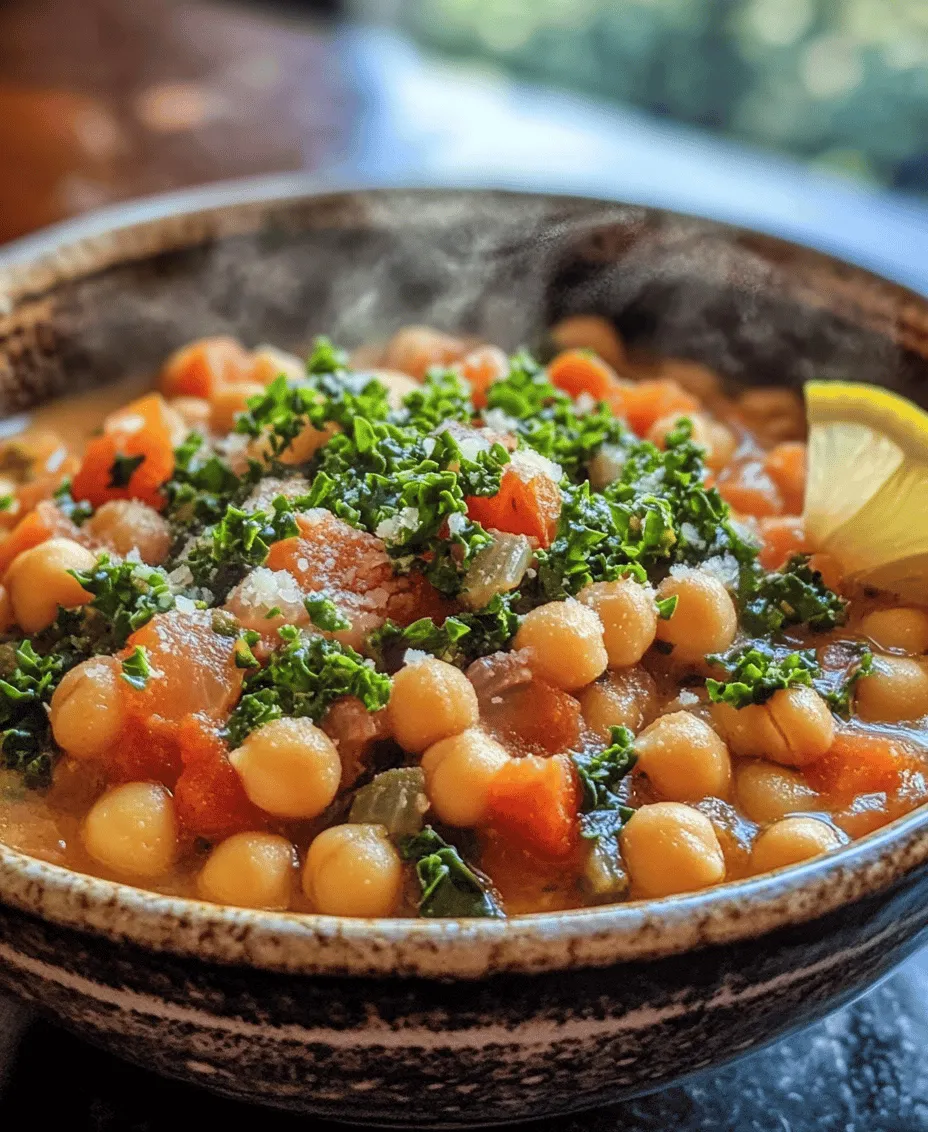
Incorporating Spices and Aromatics: The Science Behind Sautéing Garlic
Sautéing garlic is a fundamental cooking technique that enhances flavors and creates a rich aroma, setting the stage for a delicious Tuscan Chickpea Soup. When garlic is sautéed over medium heat, it releases its essential oils and sugars, which caramelize, resulting in a sweet and savory flavor profile. The key to perfectly sautéing garlic lies in timing and temperature. Too high a heat can lead to burnt garlic, which becomes bitter; too low, and it may not release its full flavor potential.
To start, heat a generous drizzle of olive oil in a large pot over medium heat. Once the oil shimmers, toss in minced garlic and sauté for about 30 seconds, or until fragrant. This brief cooking time is crucial; it allows the garlic to infuse the oil without burning. After achieving that fragrant, golden hue, you can proceed to add your chopped onions, allowing them to soften and meld with the garlic’s flavor, forming a savory base for the soup.
Building the Soup: Combining Ingredients for Optimal Flavor Infusion
Once the aromatics are beautifully sautéed, it’s time to build the soup. Begin by adding chopped carrots and celery to the pot, stirring them into the garlic and onion mixture. These vegetables not only add sweetness and texture but also contribute to the soup’s overall depth. Allow them to cook for about five minutes, stirring occasionally until they soften.
Next, introduce the star of the show—canned chickpeas. Drain and rinse them to remove excess sodium and any canning liquid. Incorporating chickpeas at this stage allows their nutty flavor to infuse into the broth as they cook. Stir the chickpeas well with the sautéed vegetables before adding diced tomatoes and vegetable broth. The acidity from the tomatoes will balance the earthiness of the chickpeas and provide a vibrant color to the soup.
As the soup simmers, add in fresh herbs—such as thyme, rosemary, and bay leaves—for an aromatic touch. The combination of these herbs will create a complex flavor profile, typical of Tuscan cuisine. Allow the soup to simmer on low heat for at least 20-30 minutes, letting the flavors marry and evolve into a comforting, cohesive dish.
Cooking Techniques: Simmering for Depth of Flavor
Simmering is a crucial cooking technique that enhances the flavors of Tuscan Chickpea Soup. By cooking the soup gently, the ingredients have time to meld together, creating a well-balanced and flavorful broth. As the soup simmers, the heat allows the chickpeas to soften further, releasing their starches into the liquid, which thickens the soup slightly, resulting in a velvety texture.
During this simmering phase, taste the soup periodically. This will help you assess the flavor and decide if it needs additional seasoning. You can adjust salt, pepper, or even a splash of lemon juice to brighten the dish, enhancing the overall taste profile. For those who enjoy a bit of heat, consider adding a pinch of red pepper flakes during cooking for a subtle kick.
Final Touches: How to Properly Add Greens and Seasonings
As the soup reaches its final stages of cooking, it’s time to incorporate the greens. Adding leafy greens like kale or spinach not only boosts the nutritional value of the soup but also adds a pop of color. Stir in the greens and allow them to wilt for just a few minutes—this will ensure they retain their vibrant color and nutrients.
Once the greens are tender, taste the soup one last time for seasoning adjustments. A drizzle of high-quality olive oil just before serving can enhance the flavor profile and add a luxurious mouthfeel. If desired, finish the soup with a sprinkle of freshly grated Parmesan cheese or a vegan alternative, which will round out the flavors beautifully.
Nutritional Benefits of Tuscan Chickpea Soup
Overview of the Health Benefits of Chickpeas
Chickpeas, the main ingredient in this soup, are a powerhouse of nutrition. They are rich in plant-based protein, making them an excellent choice for vegetarians and vegans. Additionally, chickpeas are high in essential vitamins and minerals, including iron, magnesium, and folate, which contribute to overall health. Their high fiber content aids in digestion and helps maintain stable blood sugar levels, making them a smart choice for those looking to manage their weight and overall health.
Analysis of the Soup’s Calorie Content and Macronutrient Breakdown
A serving of Tuscan Chickpea Soup is approximately 250 calories, depending on the portion size and specific ingredients used. The soup typically contains around 10 grams of protein, 8 grams of fat (mostly from olive oil), and 35 grams of carbohydrates, with a substantial amount coming from fiber. This balanced macronutrient profile makes it a filling and nutritious meal that can be enjoyed without the guilt.
Benefits of a Plant-Based Diet: Why This Soup is Perfect for Vegans and Vegetarians
Choosing a plant-based diet can provide numerous health benefits, such as reduced risk of chronic diseases and improved heart health. Tuscan Chickpea Soup, being entirely plant-based, is a perfect fit for those looking to incorporate more vegetables, legumes, and whole foods into their diet. Its wholesome ingredients support overall well-being while being deliciously satisfying.
The Role of Fiber in Chickpeas and Vegetables for Digestive Health
The fiber content in chickpeas and the assorted vegetables in this soup contribute significantly to digestive health. Fiber aids in regular bowel movements, helps maintain a healthy gut microbiome, and can reduce the risk of digestive disorders. Incorporating fiber-rich foods like chickpeas and leafy greens into your diet can contribute to a healthier, happier digestive system.
Culinary Variations and Personalization
Suggestions for Ingredient Substitutions Based on Dietary Needs
One of the beauties of Tuscan Chickpea Soup is its versatility. If you have specific dietary needs, you can easily tailor the recipe to suit your preferences. For a gluten-free option, ensure that any broth used is gluten-free. For those watching their sodium intake, opt for low-sodium canned chickpeas and broth. Additionally, you can swap out the leafy greens for other varieties such as Swiss chard or collard greens, depending on what you have on hand.
Exploring Different Spices and Herbs for Flavor Variations
While the traditional recipe highlights classic Tuscan flavors, feel free to experiment with different spices and herbs. For instance, adding cumin or smoked paprika can impart a warm, earthy flavor, while fresh basil or parsley can add brightness and freshness. The key is to taste as you go and adjust according to your flavor preferences.
Adding Protein: Options for Meat Lovers or Additional Plant-Based Proteins
If you’re looking to add protein to the soup to satisfy meat lovers, consider including diced chicken, sausage, or even pancetta. For a vegetarian-friendly protein option, you can add tofu or tempeh, which can be sautéed alongside the garlic at the beginning for an added depth of flavor. This flexibility allows you to cater to a variety of dietary preferences while still enjoying a comforting bowl of soup.
Serving Suggestions: Pairing the Soup with Bread or Salads for a Complete Meal
Tuscan Chickpea Soup is delightful on its own, but pairing it with crusty bread or a fresh salad can elevate your meal. A simple arugula salad dressed with lemon and olive oil complements the soup beautifully, providing a refreshing contrast. Alternatively, serve the soup with slices of homemade focaccia or a baguette for dipping, making for a heartier dining experience.
Cultural Significance of Tuscan Cuisine
Overview of Tuscan Culinary Traditions and Influences
Tuscan cuisine is renowned for its simplicity, focusing on high-quality ingredients and traditional techniques. Rooted in the region’s agrarian history, Tuscan dishes often feature seasonal vegetables, legumes, and grains. This emphasis on fresh, local produce is reflected in the Tuscan Chickpea Soup, which showcases the natural flavors of its ingredients.
The Role of Soup in Italian Culture and Its Evolution
Soup holds a special place in Italian culture, often regarded as comfort food that brings families together. Historically, soups were created to stretch available ingredients, making them an economical choice. Over time, soups have evolved, with each region of Italy contributing its unique spin, and Tuscan Chickpea Soup represents the rustic charm that characterizes Tuscan culinary traditions.
How Tuscan Chickpea Soup Fits into the Broader Context of Italian Cooking
Tuscan Chickpea Soup is emblematic of the broader Italian cooking philosophy, which values simplicity and flavor. By using basic, wholesome ingredients, this soup embodies the essence of Italian cuisine, where the quality of the ingredients takes center stage. It serves as a reminder that delicious meals can be created with minimal effort, highlighting the beauty of home-cooked food.
Conclusion: Embracing the Comfort of Homemade Soup
In summary, Tuscan Chickpea Soup is not just a nourishing meal; it is a delightful blend of flavors, textures, and cultural traditions. The health benefits of chickpeas and the vibrant vegetables create a dish that is both satisfying and good for you. This recipe encourages experimentation, inviting you to personalize it to your liking and dietary needs.
Homemade meals like this soup are essential for nurturing both the body and soul. They remind us of the joy of cooking and the comfort that comes from sharing food with loved ones. By embracing the art of soup-making, you not only create a delicious dish but also foster a deeper appreciation for the culinary traditions that have shaped our dining experiences. So, gather your ingredients, savor the process, and enjoy the warmth of a homemade bowl of Tuscan Chickpea Soup.